Medellin Travel Guide
Explore Medellin's cable cars, Comuna 13 street art, botanical gardens, and Poblado district: Colombia's City of Eternal Spring and how to see it well.
Guides for Medellin
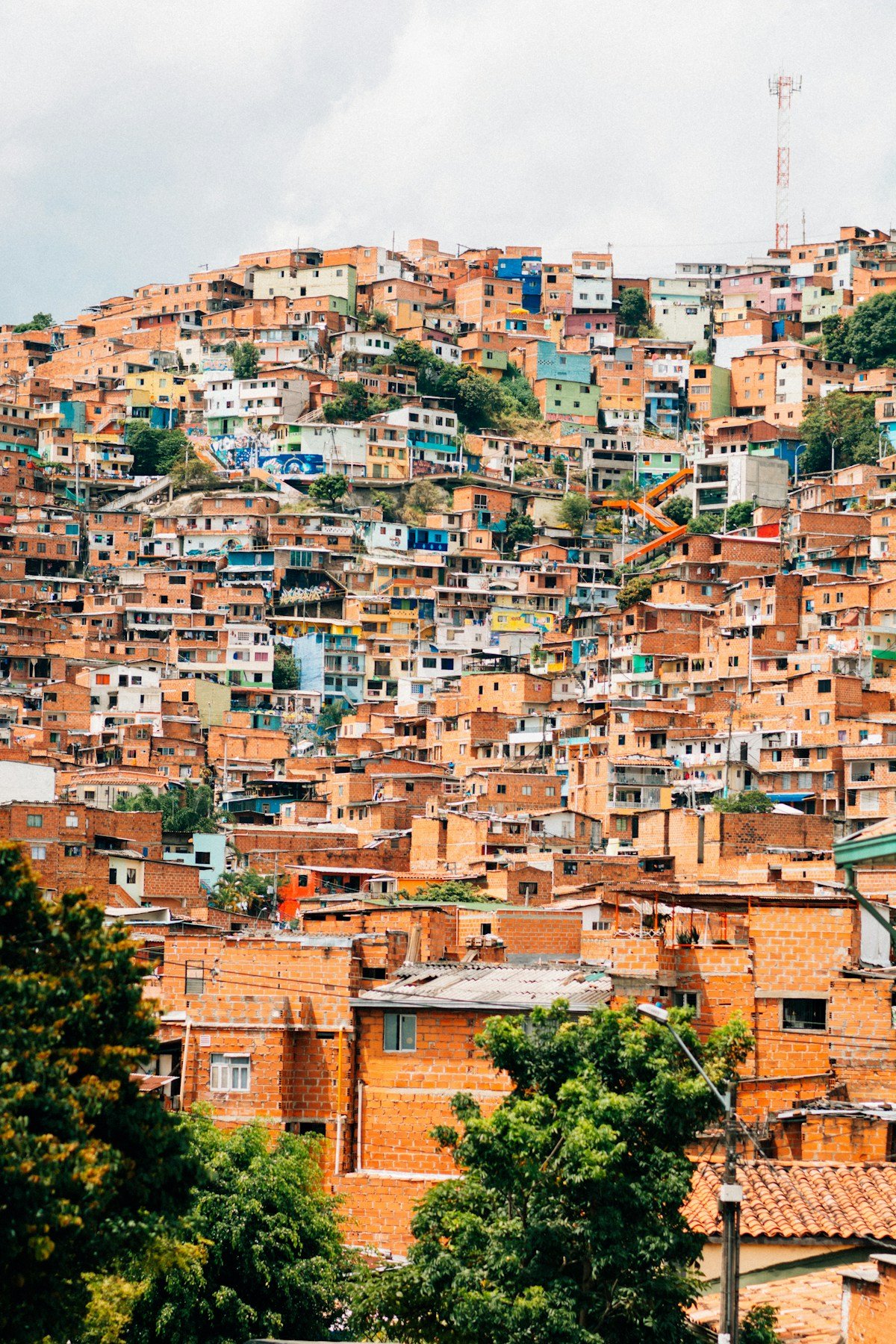
Medellin earned its reputation for transformation the hard way. The city once synonymous with cartel violence spent three decades rebuilding, and what it built - cable car metro lines connecting hillside communities, public libraries in low-income barrios, one of Latin America’s best outdoor escalator systems, and a genuinely world-class botanic garden - has made it a case study in urban renewal. For travellers, the result is a city with extraordinary energy, a year-round spring climate, and more things to do than most visits allow for.
The nickname “City of Eternal Spring” comes from the altitude - Medellin sits at 1,495 metres in the Aburra Valley, meaning temperatures hover between 20 and 27°C throughout the year. It does not have Bogota’s thin-air effect at 2,640 metres, but it also does not have the coastal heat of Cartagena. The climate genuinely is about as good as it gets.
Getting There and Around
Jose Maria Cordova International Airport (MDE) handles most long-haul and domestic flights. It sits 28 kilometres east of the city centre - a 45-minute drive under normal conditions.
From the airport: The official airport transfer bus (Aeropuerto Express) runs to the city for approximately COP 12,000 and takes about 45 minutes. Taxis from the official stand inside arrivals cost approximately COP 65,000 to 80,000 to El Poblado as of 2026. Uber operates the route for similar prices. InDriver is often slightly cheaper. A pre-booked Medellin airport transfer offers fixed pricing with no negotiation on arrival.
Within the city: Medellin’s Metro is the only urban rail system in Colombia. The main lines (A north-south, B east-west) connect with three cable car (Metrocable) lines that serve the hillside comunas. A single journey costs approximately COP 3,200 as of 2026. The cable cars are part of the same fare system. TransMI (bus) covers routes not reached by metro.
From Bogota, flights take 45 minutes and cost from COP 70,000. Buses from Bogota’s Terminal del Sur take around 8 hours and cost from COP 55,000.
Where to Stay in Medellin
El Poblado luxury: Charlee Lifestyle Hotel sits above the Parque Lleras nightlife strip and is Medellin’s best-known design hotel — rates from approximately COP 480,000 per night as of 2026. Patio del Mundo is a smaller boutique option in El Poblado from approximately COP 300,000.
Search hotels in Medellin on Booking.com
Mid-range: The Park 10 Hotel in the residential Parque El Poblado area runs from approximately COP 220,000 per night. In Laureles, Casa Kiwi is popular with longer-stay travellers and digital nomads — private rooms from approximately COP 130,000.
Budget hostels: El Poblado has the densest hostel strip in Colombia. Selina Medellin and El Patio Hostel are consistently well-reviewed for cleanliness and social atmosphere; dorms from approximately COP 55,000, private rooms from COP 150,000. For a full comparison with neighbourhood context, see our Medellin hotels guide.
Things to Do in Medellin
Medellin’s must-sees include the Comuna 13 street art district, the Botanical Garden and its remarkable Orquideorama, the Metrocable network, and a day trip to El Penol and Guatape. The city’s urban renewal infrastructure — free escalators, cable cars into hillside comunas — is itself part of the experience.
Key practical details as of 2026:
- Jardín Botánico (Botanical Garden): entry from COP 4,000. Open Tuesday–Sunday 9am–5pm. The Orquideorama structure in the centre is worth the trip alone.
- Parque Arví (reached by Metrocable Line L from Santo Domingo): cable car fare included; park entry approximately COP 10,000. Open Tuesday–Sunday.
- El Penol rock: entry COP 22,000 for foreigners. The 649 stair steps take approximately 20 minutes to climb.
- Comuna 13 escalators: free to ride. Guided walking tours of the neighbourhood from approximately COP 30,000 per person.
For the full list with transport details and what to prioritise, see our Medellin things to do guide.
Where to Eat in Medellin
Medellin’s food scene runs from tasting menus at El Cielo to traditional Antioquian cooking at neighbourhood spots that have been open since the 1970s.
Pergamino Café in El Poblado is the essential coffee stop — specialty Colombian single-origin roasts in a converted house. A filter coffee costs approximately COP 9,000; brunch dishes run COP 25,000 to 40,000.
El Cielo runs a molecular Colombian tasting menu with 12 to 16 courses from approximately COP 200,000 per person — internationally regarded as one of Latin America’s more interesting dining experiences. Book ahead.
For traditional Antioquian food: Mondongos in Laureles serves bandeja paisa (rice, beans, chicharron, egg, arepa, sausage) from approximately COP 25,000. El Poblado concentrates most of the upscale options; Laureles is better for local cooking at local prices. For specific addresses and dish recommendations, see our Medellin restaurants guide.
Practical Information
Weather: Medellin’s year-round average temperature sits around 22 to 24°C with mild humidity. The wet seasons run April to May and October to November, with reliable afternoon rain. Morning activities are rarely disrupted. Light layers for evenings are recommended.
Currency: Colombian Peso (COP). ATMs throughout El Poblado and the Metro stations. Cards widely accepted at restaurants and hotels in tourist areas.
Nightlife: Parque Lleras in El Poblado is the concentrated nightlife hub. Bars and clubs open from around 9pm. The scene runs late - most venues fill after midnight and stay open until 3am or 4am on weekends. Laureles has a more local bar scene that tends to close earlier.
Safety note: Scopolamine (burundanga) incidents have been reported in Medellin’s nightlife areas. Never accept drinks from strangers, and keep your glass in sight at all times. This is standard advice for any major Latin American city with an active nightlife scene.
Medellin rewards travellers who go beyond El Poblado. The Metro system makes it straightforward to reach the Botanical Garden, the city centre murals, and the cable car network in half a day. Plan at least 4 to 5 days to do the city justice, plus one day for the El Penol and Guatape excursion. Browse our best tours in Medellin for a detailed breakdown of guided walks in Commune 13, day trips to Guatapé, and paragliding packages, or book directly via GetYourGuide for confirmed departures and free cancellation.
Upcoming Events in Medellin
Medellin Christmas Lights 2026: Alumbrados Dates, Locations and Visitor Tips
Medellin Alumbrados 2026, 1 Dec–15 Jan. Millions of LED installations along the Rio Medellin draw five to eight million visitors each season.