Food & Drink
Best Food Tours in Colombia: Bogotá, Medellín & Cartagena
Food tours in Colombia compared by city: what each covers, typical prices, how to choose a tour and what to eat in Bogotá, Medellín and Cartagena.
Colombian Cuisine
Colombian food is one of South America's most underrated cuisines - deeply regional and far more varied than most travellers expect. The Andean highlands (Bogota, Boyaca) favour hearty potato-based soups and stews. The Caribbean coast (Cartagena, Barranquilla, Santa Marta) cooks with coconut, seafood, and plantain. The Paisa region (Medellin, the Coffee Zone) is known for generous, protein-heavy platters. The Pacific coast has its own distinct Afro-Colombian food traditions with encocados and fish stews.
Eating well in Colombia is also genuinely affordable. A set lunch (almuerzo corriente) at a local restaurant costs COP 12,000-18,000 ($3-4.50) and includes soup, a main course with rice, salad, protein, and a fresh juice. Street empanadas run COP 1,500-3,000 ($0.35-0.75). The food culture is built around freshness, tropical fruit, and regional pride in local specialities.
Each city guide includes a dedicated food page covering must-eat dishes, local specialities, and where to eat them.
Eight dishes that represent the depth and regional variety of Colombian cuisine - from street stalls to family kitchens.
The Antioquia platter - red beans with pork, rice, beef, plantain, chorizo, arepa, and fried egg. Enormous portions. A full day's calories. Best in Medellin, COP 18,000-35,000.
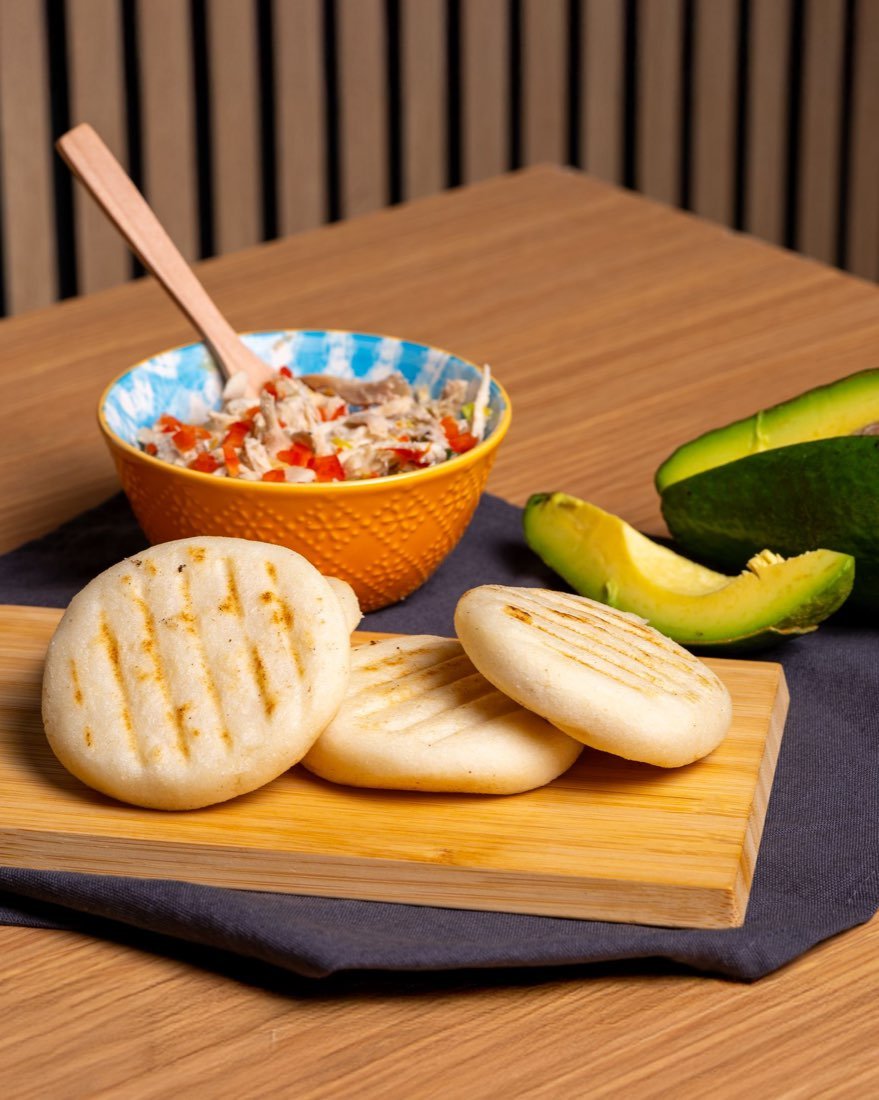
Corn rounds, grilled or fried. Regional variants: Antioquia white, coastal with egg. Street vendors, COP 2,000-5,000.
Bogota's signature soup - three potatoes, chicken, corn, guascas herb. Served with capers, cream, avocado. Traditional and hearty.
Fried corn turnovers with potato and meat, served with aji. Crunchier than Argentine style. Street stalls, COP 1,500-3,000.
Roasted pig stuffed with rice and spices, slow-cooked 12 hours. Tolima specialty from Ibague. Roadside stalls and markets.
Shrimp or fish cured in lime with onion, tomato, cilantro. Served in a cocktail glass. Tropical style. Best in Cartagena.
Slow-cooked stew with chicken, yuca, plantain, and potato. Served with rice and avocado. A Colombian family favorite.
Corn parcels in banana leaves, filled with pork and rice. Tolima tamales are famous. Traditional breakfast.
The capital is the best city for ajiaco, the potato and chicken soup that defines Andean Colombian cooking. Chicha (fermented corn drink) is making a comeback in La Candelaria's bars. The Paloquemao and 7 de Agosto markets are the places to eat like a local. Usaquen and Zona G concentrate the fine dining scene.
Food guide to Bogota →Cartagena is Colombia's seafood capital. Caribbean flavours dominate - coconut rice, fried fish, ceviche, and patacones (fried green plantain). The street food scene centres on La Cevicheria and the palenqueras selling fruit in the old city. Getsemani has the best-value restaurants with local character.
Food guide to Cartagena →Medellin is the home of bandeja paisa and mondongo (tripe soup). The Paisa food tradition is generous and meat-heavy. El Poblado has the upscale restaurant scene, but the best traditional food is in the city centre around Parque Berrio and the Minorista market. Aguapanela (sugarcane water) is the local drink of choice.
Food guide to Medellin →In-depth guides to the cuisine, restaurants, and street food scene.
Food tours in Colombia compared by city: what each covers, typical prices, how to choose a tour and what to eat in Bogotá, Medellín and Cartagena.
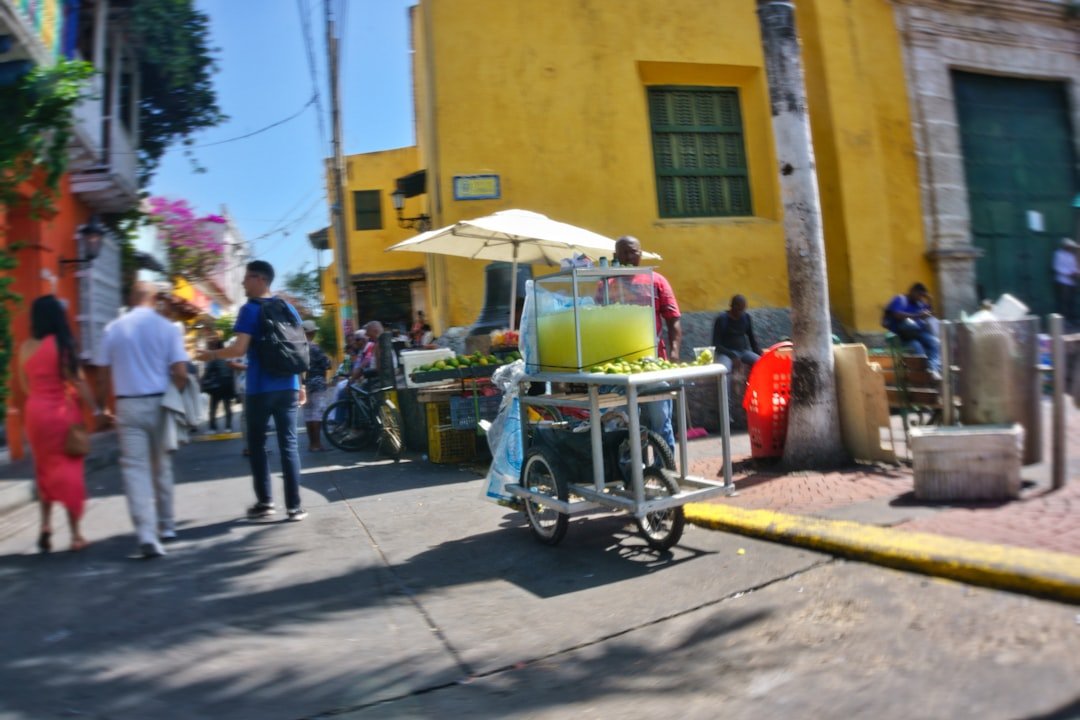
Colombia's essential drinks: aguardiente, tinto, lulada, chocolate con queso, champús and chicha. Where to find each and what to pay.
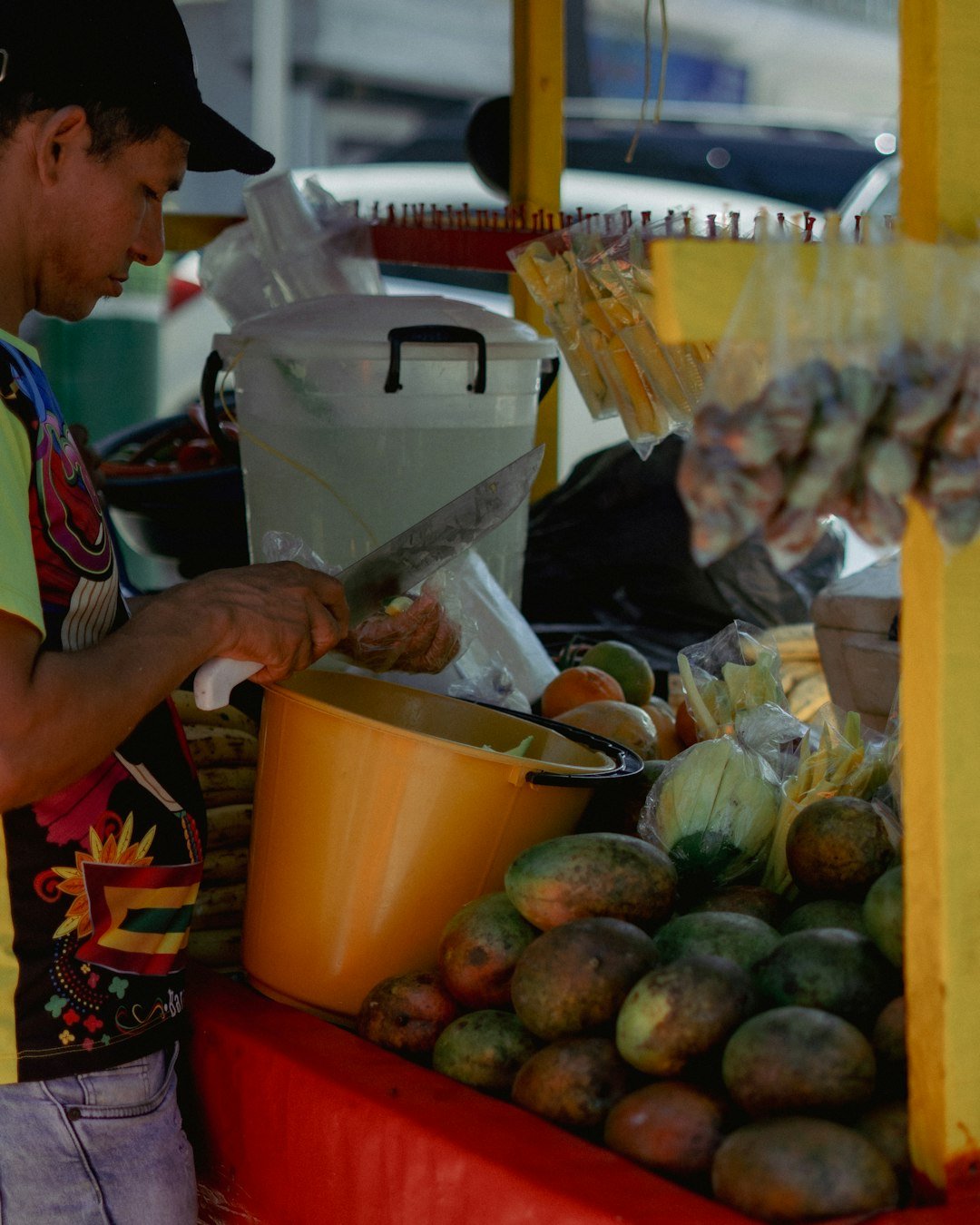
Colombian street food by city: empanadas in Cali, arepas in Medellin, lechona in Tolima, bandeja paisa counters. Prices and markets.
Where to eat in Bogota: classic ajiaco and street empanadas in La Candelaria, fine dining in Usaquén, with current COP prices.
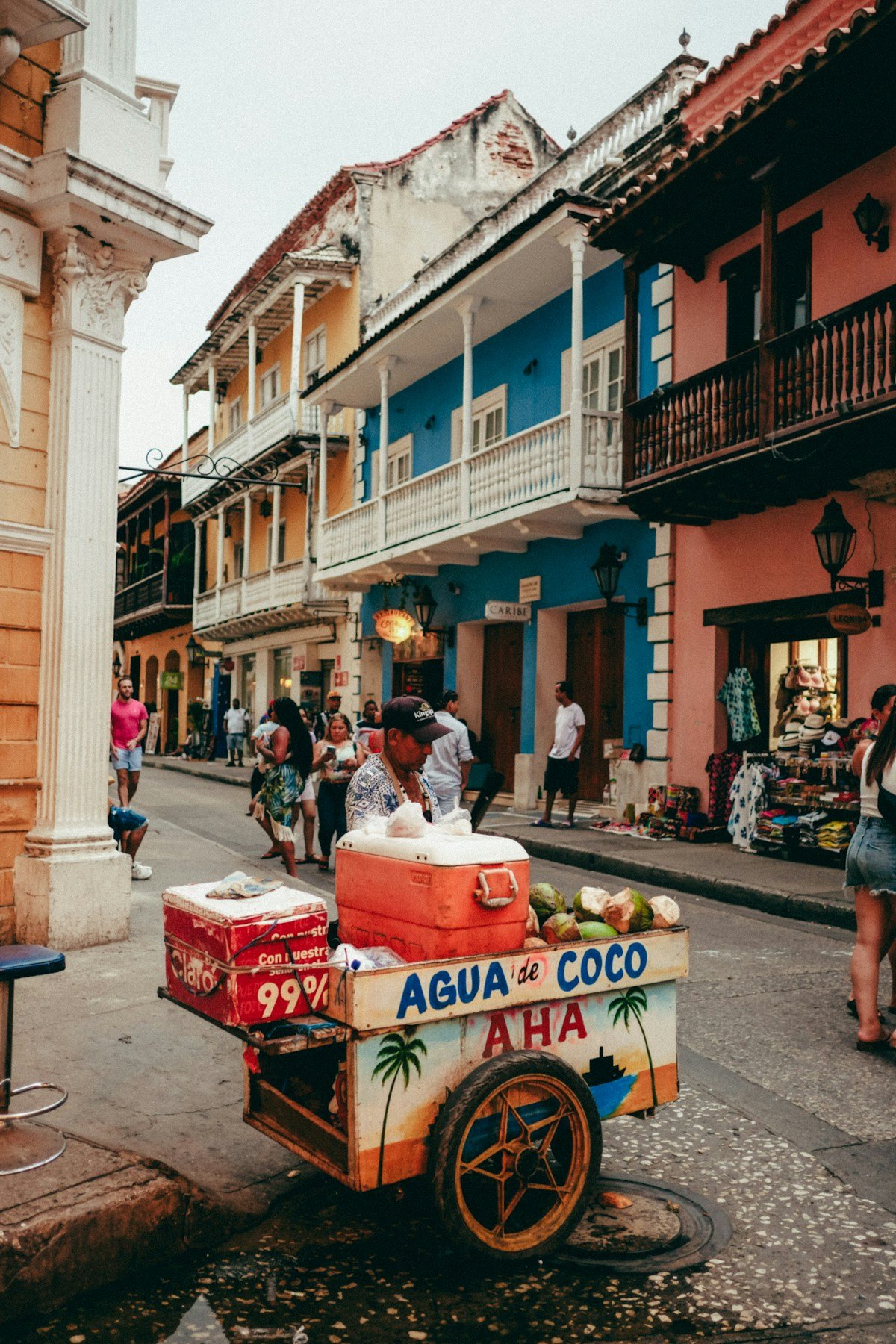
What locals eat in Cartagena: arepa de huevo from Getsemaní, cazuela de mariscos, coconut rice, and the Mercado de Bazurto - with current COP prices.
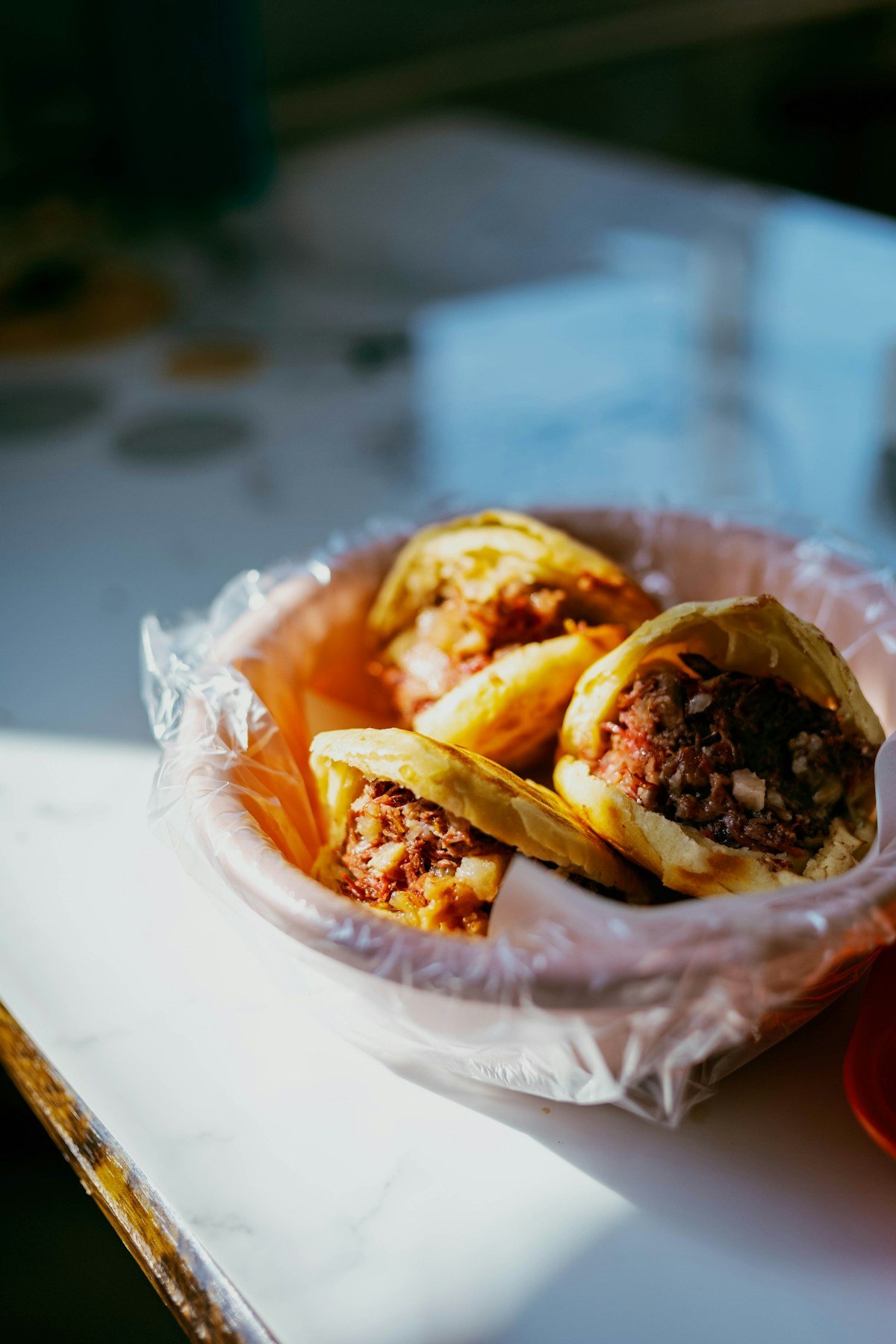
Your guide to Colombian food: bandeja paisa, arepas, ajiaco, empanadas, sancocho and more - what each dish is, where to eat it, and how much to pay.
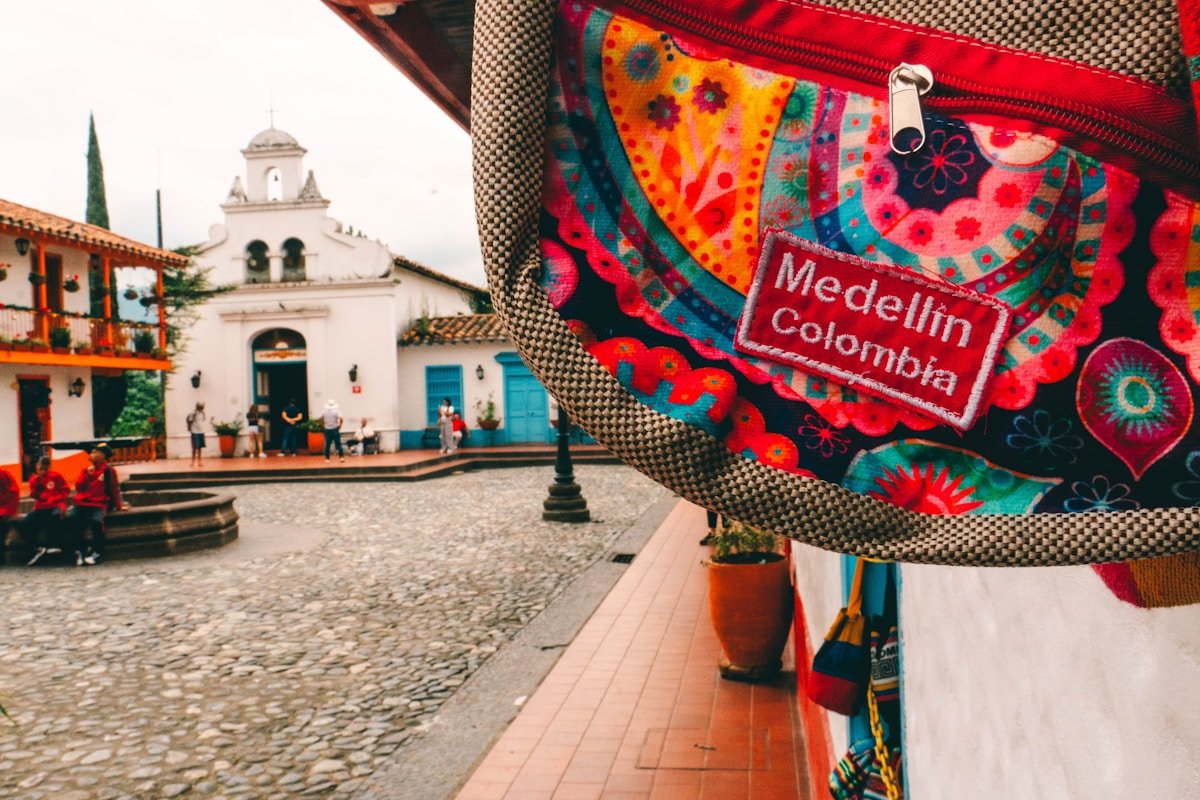
Medellin's best food by neighbourhood: bandeja paisa in Laureles, street food near Commune 13, and Colombian fine dining in El Poblado.
Explore the food scene city by city