
Nightlife
Bogota Nightlife: Best Bars, Clubs, and Salsa Venues
Bogota nightlife: craft beer bars in Chapinero, salsa clubs, rooftops in Zona Rosa, and Andres Carne de Res. Named venues, cover charges, best nights.
After Dark
Colombia's nightlife is as regionally distinct as its geography. Cali is the world capital of salsa: the Juanchito district, 8 kilometres east of the city centre, runs wall-to-wall salsotecas where live orchestras perform until 5am. Closer in, Avenida 6N in Granada is the main bar strip. Entry to most salsotecas is free before midnight; after that expect COP 15,000–30,000 on weekends. Aguardiente is the default drink - a bottle ordered at the table runs COP 40,000–80,000 depending on the venue.
Bogotá has Colombia's most varied after-dark scene. Zona Rosa (around Calle 82 and Carrera 13) has international-style clubs and cocktail bars popular with a mid-twenties professional crowd; cover charges at larger clubs like Celebrities or Theatron run COP 30,000–60,000. Chapinero Alto is where the city's craft cocktail bars and LGBTQ+ venues are concentrated - La Octava, El Observatorio, and Andrés DC are local favourites. The La Candelaria neighbourhood is better suited to late afternoon cerveza culture than late-night club-going.
Medellín's Parque Lleras in El Poblado is the main going-out district for visitors, with rooftop bars (La Octava, Alambique), reggaeton clubs, and craft beer spots within a few blocks. Entry to mid-range venues runs COP 20,000–40,000; the largest clubs charge more. Laureles and Envigado have a slower, more local pace - bars stay open late but the crowd is Medellín residents rather than backpackers. Friday nights in El Poblado are intense; arrive by 11pm for tables or wait.
In Cartagena, the best bars are in Getsemaní - Café Havana (live son cubano and salsa, COP 20,000 entry on weekends) is the most-visited, and the surrounding streets have a cluster of open-air cocktail spots that fill between 9pm and 2am. The walled city's rooftop bar scene - Café del Mar, Alquímico - runs higher tabs but with views over the fortifications. San Andres Island adds Caribbean rum cocktails and reggae beach parties to the mix, with a more laid-back pace than the mainland.
Practical notes: Going out in Colombia typically starts between 10pm and midnight and runs until 4–6am. Dress codes are enforced at mid-range clubs - clean trainers are usually fine, but flip-flops and shorts are commonly turned away. Use Uber or InDriver rather than street taxis after midnight. Keep a small amount of cash for covers and street food on the way home; most bars are card-friendly but the street arepas on the way out are cash only.
Each Colombian city has its own distinct after-dark personality.
Salsotecas, Juanchito district, live orchestras. Come to dance.
Chapinero, Zona T, Zona Rosa. Electronic, hip-hop, Latin crossover.
Rooftop bars, reggaeton clubs, craft cocktails in El Poblado.
Getsemani bars, walled city cocktails, champeta and Caribbean beats.
Laid-back bars on the malecon, Taganga beach parties.
Beach clubs, reggae bars, island rum cocktails.
City-by-city guides to the best bars, clubs, salsa venues, and late-night spots.
Bogota nightlife: craft beer bars in Chapinero, salsa clubs, rooftops in Zona Rosa, and Andres Carne de Res. Named venues, cover charges, best nights.
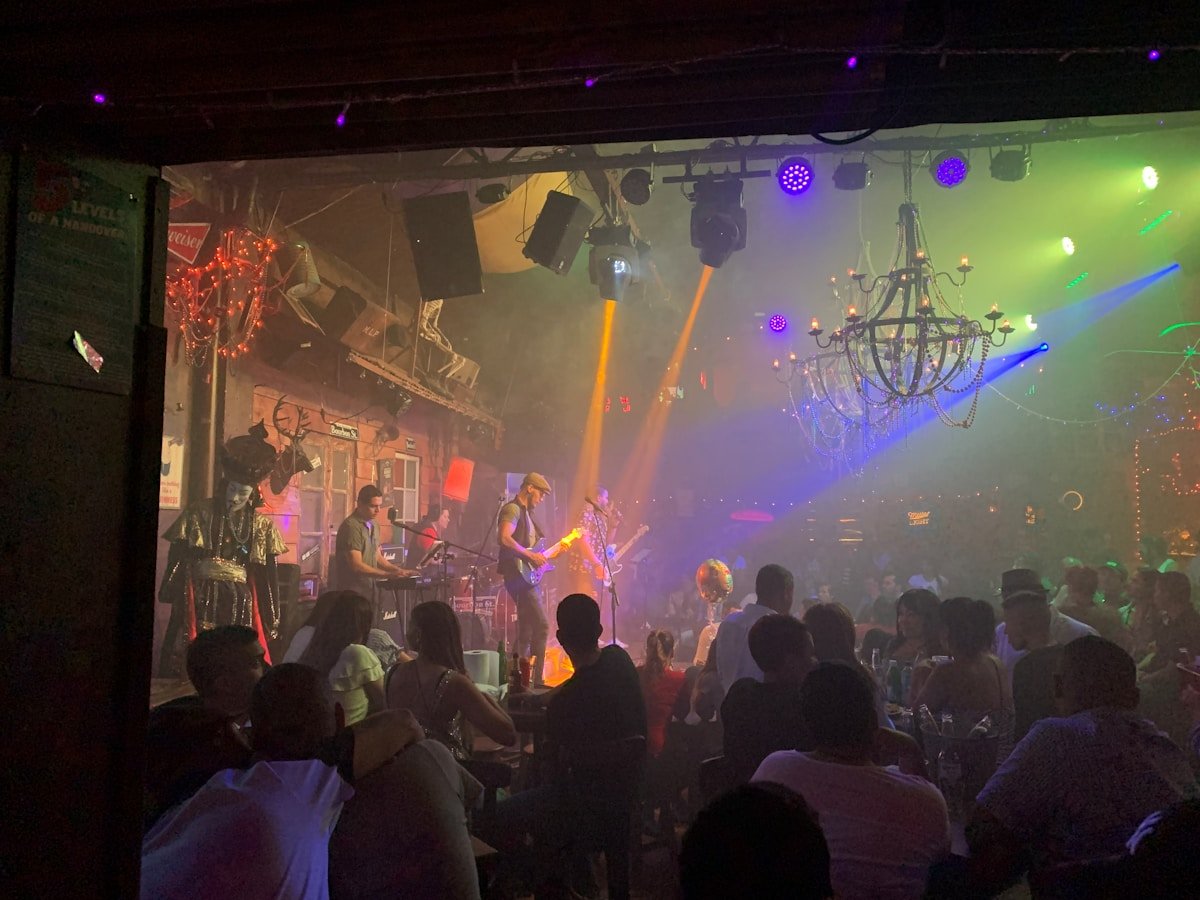
Cali nightlife: salsotecas in Juanchito, barrio bars in Granada, and rooftop venues in El Peñon. Named venues, cover charges, and salsa tips.

Cartagena nightlife: rooftop bars in the Walled City, salsa clubs in Getsemani, and beach parties in Bocagrande. Venues and cover charges.
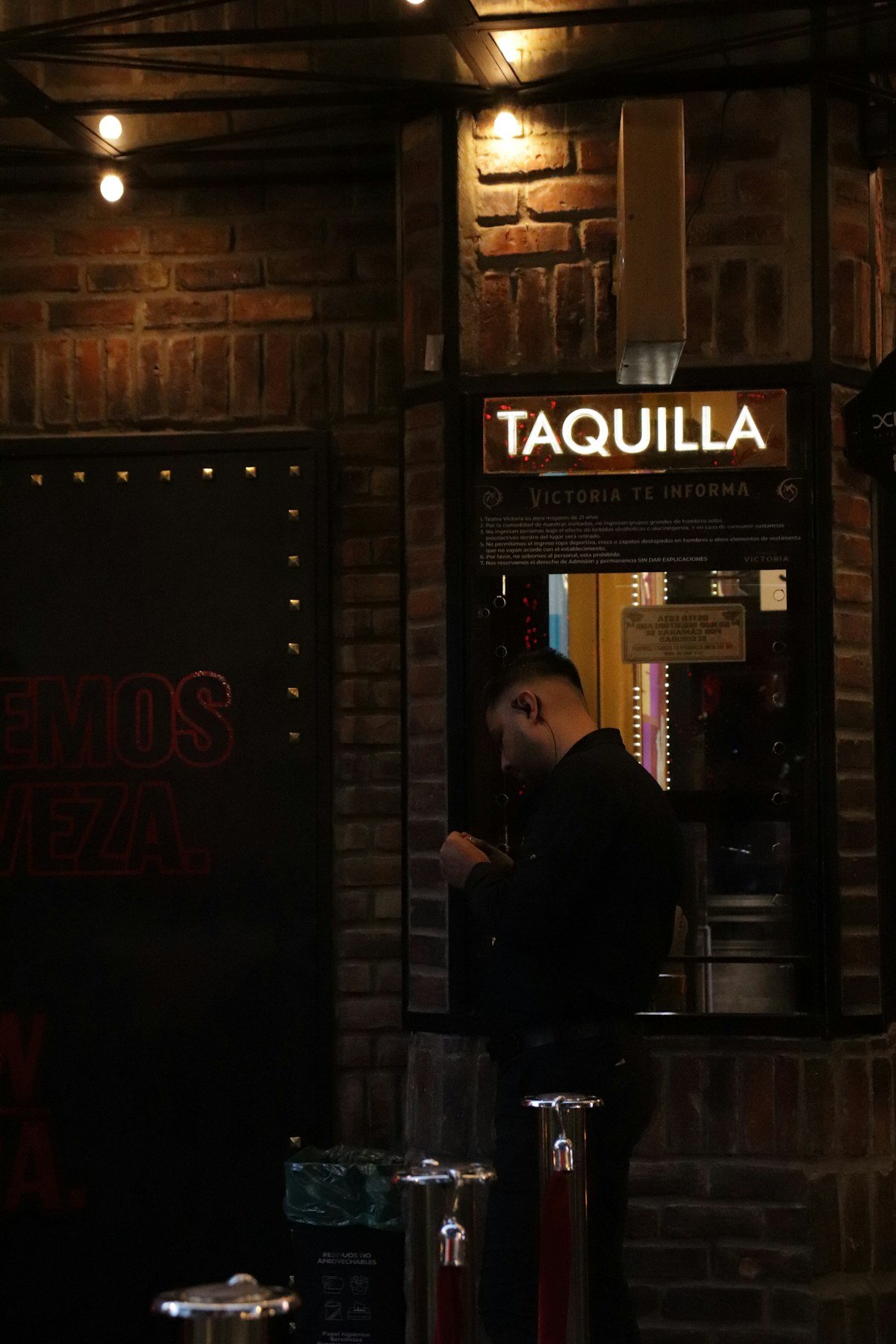
Medellin nightlife: Parque Lleras rooftop bars, Laureles salsotecas, and Ciudad del Rio clubs. Named venues, cover charges, best nights.
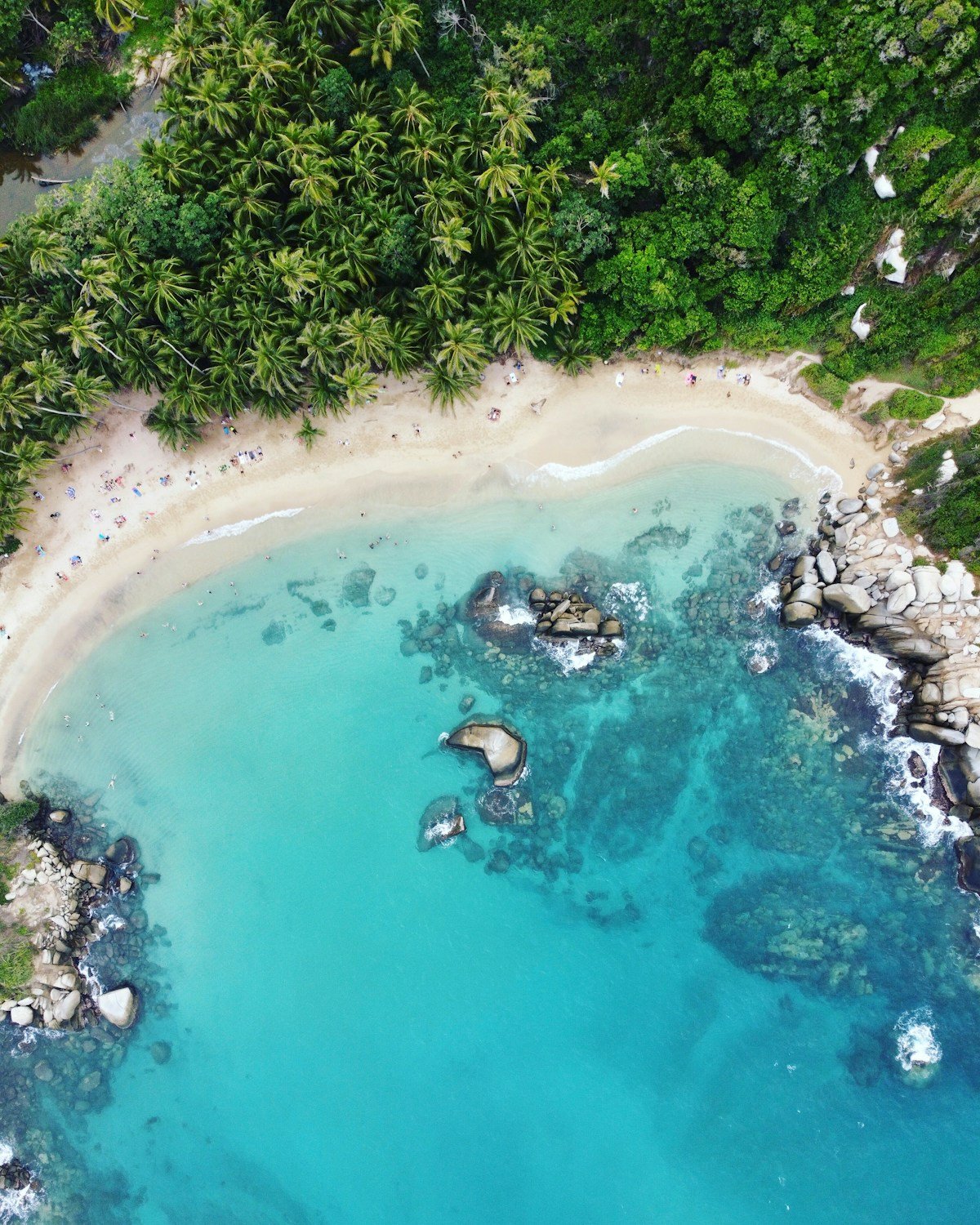
Santa Marta nightlife: beach bars in El Rodadero, live cumbia in the historic centre, and backpacker bars near Parque de los Novios.
Explore more of Colombia