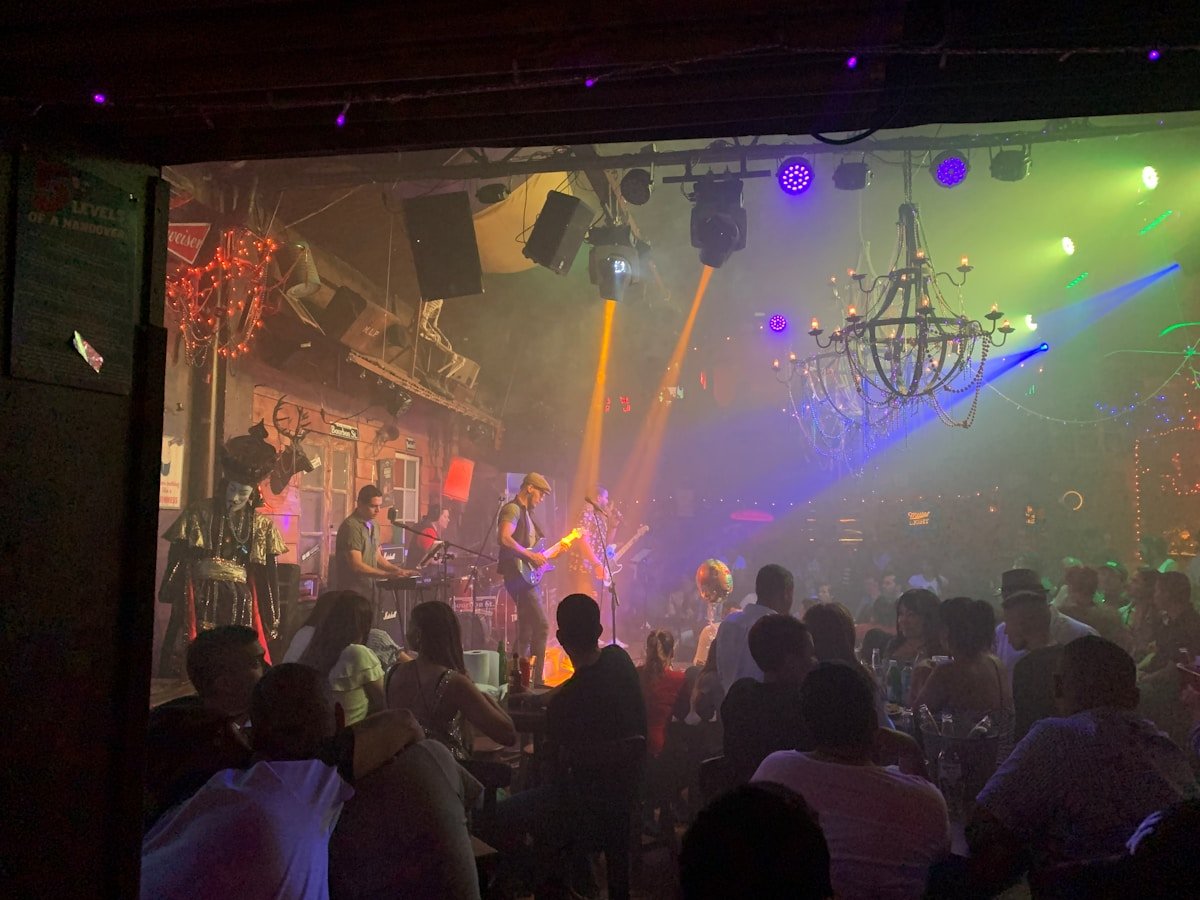
Cali’s reputation as the salsa capital of the world is not marketing. The city has a distinct salsa style - Cali-style, characterised by fast footwork, tight turns, and a fundamentally different relationship with the beat than Cuban or New York styles - that developed here over seventy years of continuous evolution. The salsotecas (dedicated salsa clubs) in Cali operate at a level of collective dancing skill that nowhere else in Colombia matches. A Friday night in Juanchito is one of the most visceral experiences in any South American city.
Going out in Cali means understanding the geography. The tourist-facing zone around Granada and El Peñon offers bars, restaurants, and social events that are cosmopolitan and accessible. But the authentic salsa scene is concentrated in Juanchito - a barrio on the outskirts of the city, fifteen minutes by taxi - and in the working-class salsotecas of Barrio Obrero and Barrio Alameda. Both require a taxi and some confidence. Both are worth it.
Juanchito: The Spiritual Home of Cali Salsa
Juanchito is not a neighbourhood in the conventional sense - it is effectively a strip of salsotecas along the main road on the eastern outskirts of the city. By day it is unremarkable; by Friday and Saturday night it is where several thousand Caleños come to dance. There is no tourist zone here. The foreign visitors who make it to Juanchito are absorbed into a crowd that is here specifically to dance and is too focused on the music to pay attention to newcomers.
La Matraca (Via a Juanchito Km. 2) is the oldest and most respected of the Juanchito salsotecas, with a recorded history going back to the 1970s. The house sound system is extraordinarily well-calibrated - the bass frequencies from the salsa orchestra travel through the floor as much as through the air. Live orchestras appear on Saturday nights. Cover charge runs approximately COP 15,000–30,000. Arrive by 11 pm to secure a table; the floor fills from midnight.
Tin Tin Deo (Via a Juanchito) is slightly newer but equally prestigious - many Caleño salsa instructors cite it as their preferred venue for the quality of dancers in the room. Weekend nights feature either live bands or high-quality DJs playing classic Cali salsa (Joe Arroyo, Fruko y sus Tesos, Grupo Niche). Cover approximately COP 15,000–25,000.
Changó (Av. 6N No. 23-01, near Juanchito access) caters to a slightly younger crowd but maintains the standard. The dance floor is larger than some competitors, which means there is room to actually move. Thursday nights are popular with university students and dancers who prefer to practice before the weekend peak. Cover approximately COP 10,000–20,000.
Granada: International and Approachable
Granada is the neighbourhood equivalent of El Poblado in Medellin - the place where international visitors and Cali’s more cosmopolitan residents socialise. The streets around Avenida 9N and Calle 14N have the highest density of bars, restaurants, and venues.
Son de los Diablos (Calle 14N No. 9N-40, Granada) bridges the gap between the tourist-friendly bar scene and genuine salsa culture - the venue books live bands and the crowd is mixed, with enough serious dancers to make the floor educational if you watch. Cover COP 15,000–25,000. The patio bar is a good warm-up spot from 8 pm; the dancing intensifies after 10 pm.
Cervecería Granada (Calle 14N No. 10N-02) is a craft brewery with a taproom that stays open late on weekends. The selection is among the best in the city - they produce a standout tropical wheat beer using guanábana, as well as more conventional IPAs and stouts. No cover; good for an early evening before heading to salsotecas.
El Loft (Av. 9N No. 15-57) is a rooftop bar-club hybrid with a consistent DJ programme - electronic and contemporary Latin music rather than salsa. Cover approximately COP 20,000–35,000. Good for late nights when you have exhausted the salsa options.
El Peñon and San Fernando: Neighbourhood Bars
El Peñon, slightly uphill from the city centre, has a concentration of smaller bars and restaurants that attract a local professional crowd. The atmosphere is quieter and more conversational than Granada, making it the right choice for an earlier evening.
Zahir 360 Bar (El Peñon) is a rooftop bar with panoramic views over the Cali skyline and the mountains behind. Cocktails run approximately COP 25,000–40,000. Open evenings; the sunset view is excellent and the bar itself is well-stocked.
La Topa Tolondra (Calle 5 No. 38-71, San Fernando) is one of the oldest salsotecas in Cali, credited with being the venue where Cali salsa was codified and celebrated in the 1960s and 1970s. It remains an active salsa venue with live orchestras on Friday and Saturday nights. The colonial building with an open courtyard is architecturally beautiful and the atmosphere reflects both heritage and present-day dancing culture. Covers approximately COP 25,000–35,000 as of 2026. Popular with both locals and visitors seeking an authentic venue with real musicianship rather than DJ sets.
Feria de Cali: The Peak Week
The Feria de Cali (approximately December 25–30 each year) transforms the city. The already active salsa scene shifts into something completely different in scale - world salsa championships, outdoor concerts on the Malecón, comparsas (street parades with dancing), and the salsotecas running extended hours. Juanchito runs throughout the night during Feria week. Accommodation must be booked months ahead. If salsa is the specific reason for visiting Colombia, building the trip around Feria is the logical approach.
Search hotels in Cali on Booking.com
Barrio Obrero: Where Cali Salsa Started
Barrio Obrero, the working-class neighbourhood south of the city centre, is where Cali salsa has been heard continuously since the 1940s. The streets here are dense with small salsotecas, corner bars with music audible from outside, and tiendas (corner shops) where Friday evening begins with aguardiente and ends with dancing on the pavement.
Zaperoco Bar (Calle 5 No. 34-70, Barrio Obrero) is the most accessible entry point - a corner bar that has been pouring aguardiente and playing classic Cali salsa since the 1980s. No cover charge; drinks from approximately COP 8,000. The crowd is predominantly neighbourhood regulars, the music is drawn from the vinyl-era canon (Grupo Niche, Fruko, Joe Arroyo), and the pace is relaxed enough for first-time visitors to find their feet before heading to Juanchito. Best on Thursday and Friday from 8 pm onward.
La Topa Tolondra (Calle 5 No. 38-71, San Fernando) is the venue where Cali salsa was publicly debated and celebrated in the 1960s and 1970s. The colonial building with an open courtyard is architecturally beautiful; live orchestras play Friday and Saturday. Cover approximately COP 25,000–35,000 as of 2026. Popular with both serious dancers and visitors seeking a venue with real musicianship rather than DJ sets.
Delirio (Teatro Municipal Enrique Buenaventura) is Cali’s professional salsa cabaret - 90 minutes of Swing Latino’s elite performers with live orchestra and full production. Performances run roughly monthly; tickets from approximately COP 80,000–200,000 via delirio.com.co. The right preparation if you want to understand the technical ceiling of Cali-style salsa before entering the salsotecas.
Getting home from Juanchito: InDriver is the dominant ride-hailing platform in Cali and remains reliable until 4–5 am on weekends. Agree the fare before accepting the trip - COP 20,000–35,000 from Juanchito to Granada is standard. Pre-book your return ride before midnight rather than competing for available cars at 3 am.
Practical Notes for Cali After Dark
Personal safety. Cali has historically had a higher crime rate than other major Colombian cities, and some areas are genuinely not safe for tourists at night. Stick to Granada, El Peñon, and Juanchito (where the concentration of people and activity creates natural safety in numbers). Use app-based rides - InDriver is the dominant platform in Cali - rather than street taxis. Do not walk between Juanchito and the city centre.
Learning salsa before you go. The salsotecas of Juanchito are for dancers. Showing up without any salsa knowledge is possible but the experience is limited - you will watch rather than participate. A single lesson in Granada or El Peñon (approximately COP 30,000–60,000 per hour) before heading to Juanchito changes the night entirely.
The music matters. Cali-style salsa is danced to specific music - classic Cali salsa tracks from the 1970s–1990s, not Cuban son or contemporary urban Latin music. The DJs in the salsotecas know this repertoire completely. If you do not know the names Grupo Niche, Joe Arroyo, or Fruko y sus Tesos, listen to them before you go.
For a structured salsa lesson followed by a guided evening in the salsotecas, salsa and nightlife tours in Cali lists reputable operators with English-speaking instructors.