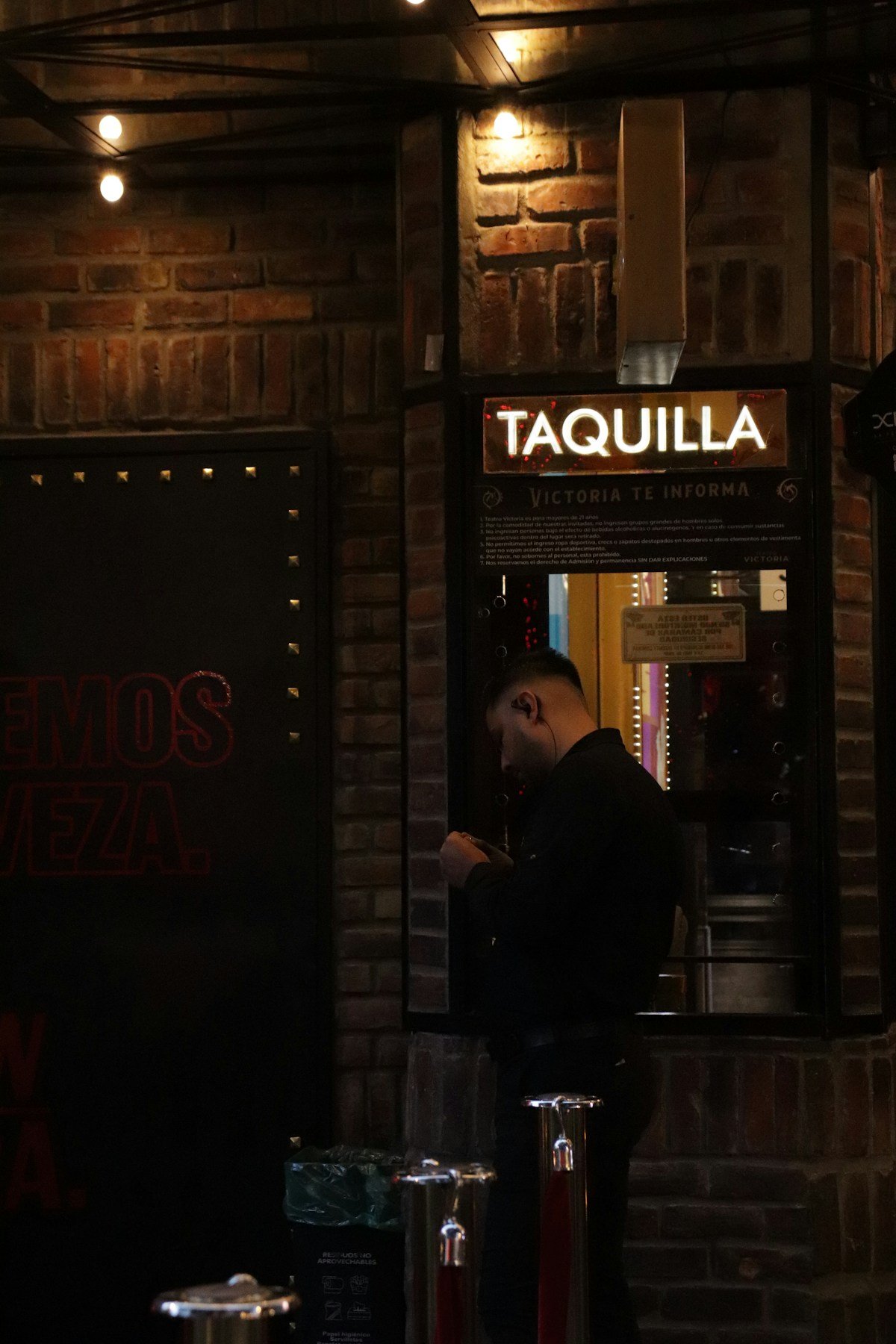
Medellín has a genuine nightlife culture, not just a tourist one. Paisas - people from Antioquia - go out consistently from Thursday through Sunday, stay late, and treat social evenings as a primary activity rather than a secondary one. The city has a strong musical identity (champeta, vallenato, salsa caleña, and an emerging electronic scene) that means the best nights out involve music rather than just drinking.
The geography matters. El Poblado, specifically the dozen blocks around Parque Lleras, contains the majority of bars and clubs that international visitors encounter. It is convenient and concentrated, but it is not all of what Medellín offers. Laureles, across the river in the western residential barrios, has the better salsa scene and neighbourhood bars that feel like actual neighbourhoods. Ciudad del Rio, further south near the Museo de Arte Moderno, has the city’s best electronic music venues. Manrique, to the northeast, has tango and salsa culture that predates El Poblado’s current scene by decades. Understanding these zones produces a significantly richer week out than staying within Parque Lleras the whole time.
El Poblado: The Parque Lleras Area
Parque Lleras is a small park surrounded by approximately six to eight blocks of concentrated bar and club activity. On a Thursday or Friday night, the streets fill from 10pm with a crowd that is roughly one-third local, one-third Colombian from other cities, and one-third international visitors. It is loud, social, and safe enough within the main blocks - though the density also attracts scammers and drug vendors that more local-focused neighbourhoods do not.
Pergamino Café (Carrera 37, El Poblado) is primarily a coffee shop during the day, but its evening mode - relaxed, excellent drinks, a terrace - makes it a solid starting point for a night in El Poblado. The coffee-based cocktails are worth ordering. No cover; cocktails approx COP 20,000–35,000.
Eslabon Prendido (Avenida El Poblado, near Parque Lleras) is one of the most reliable venues in El Poblado for live music, with a strong focus on salsa, tropical, and Afro-Colombian sounds. The crowd is genuinely mixed - tourists who want to dance alongside locals who want to dance - and the music is consistently good. Cover varies by night, approx COP 20,000–30,000 on live nights.
Vintrash (Carrera 38 No. 8B-66) is the best-known club in Parque Lleras that manages to maintain a local following despite its tourist location - the music alternates between reggaeton, electronic, and occasional live sets. Cover charge runs approximately COP 20,000–40,000. The crowd inside does not properly form until after midnight.
Calle 9+1 is a larger club-style venue just off Parque Lleras with a good sound system and a mixed tropical and electronic programme. One of the more reliably busy venues in the area without being the most expensive. Cover approx COP 20,000–35,000.
El Social (Carrera 37 No. 8A-60) is a multi-floor bar with a rooftop terrace - more bar than club, with good cocktails and city views. Fills from 8pm for the view; stays busy for cocktails through 1am. No consistent cover charge; cocktails approx COP 25,000–40,000.
Envy Rooftop (Carrera 35 No. 7-95) is one of several upscale rooftop venues in the El Poblado hotel district. The bottle service model means it is expensive for solo visitors but worth it for groups with a budget. Cover on big nights can reach COP 50,000–80,000. The view over the valley is exceptional.
Laureles: Where Medellinenses Actually Go
Laureles sits west of the Medellín River in a grid of tree-lined streets that feel nothing like the compressed density of El Poblado. The residential character has produced a bar and restaurant scene that is decidedly local - less Instagram-optimised, more actually enjoyable over time. The sector around Carrera 70 and Carrera 73 hosts a density of bars, restaurants, and small clubs largely free of the tourist infrastructure that dominates El Poblado.
Son Havana (Carrera 73, near Estadio metro station) is the best salsa venue in Laureles - a traditional Cuban-style salsoteca with live orchestra on weekend nights and a crowd that knows how to dance. This is Cali-style salsa: fast footwork, close hold. Classes available at the venue before live nights. Cover approx COP 15,000–25,000 on orchestra nights; drinks approx COP 12,000–20,000.
Salon Versalles (Avenida 74, Laureles) is one of the city’s older salsa spaces, unpretentious and with a genuine local following. The dance floor is serious - people here know how to move. Open Thursday through Sunday, cover approximately COP 10,000–20,000. Arrive after 10pm when the floor is active.
Cervecería Libre (Carrera 70 No. 44A-30) is a brewery-bar hybrid producing some of the best craft beer in the city - the dark wheat beer and Colombian pale ale are both consistently good. The taproom stays open until midnight and draws young professionals and beer enthusiasts. No cover; prices noticeably lower than equivalent El Poblado venues.
Ensamblaje is an independent bar and cultural space in Laureles with a consistent live music and DJ programme - roots, Afro-Colombian, and jazz nights cycle through the week. The crowd is Medellín professional class, 25–40, bilingual, there for the music. Cover varies but typically COP 10,000–20,000 on live nights.
El Aro y la Teja (Carrera 73 No. 44A-50) is a neighbourhood bar with live music on weekend evenings - vallenato, cumbia, and occasional jazz. The terrace fills by 9pm on weekends. Cover approximately COP 10,000–15,000 on live music nights.
La Polilla is a neighbourhood bar on Carrera 70 that has been operating long enough to be a local institution. Beer on tap, basic food, outdoor tables on the street, and a crowd that arrives at 7pm and stays until midnight. No cover. Beer approx COP 7,000–12,000. Useful as an early-evening stop before moving on.
La Octava Bar is a small cocktail bar in Laureles with an intelligently built menu using Colombian spirits and local fruit. Calmer than anything around Parque Lleras. Cocktails approx COP 22,000–35,000. No cover.
Ciudad del Rio: Electronic Music
The Ciudad del Rio area - the former Siderúrgica Nacional industrial zone converted over the last decade into a cultural district - has become the centre of Medellín’s electronic music scene. Converted warehouses and purpose-built club spaces host the city’s most serious music programming.
El Hueco (Calle 19 No. 43A-100, Ciudad del Rio) is a multi-room electronic club with international and national DJs - techno, house, and experimental electronic music. Cover varies from COP 30,000 to COP 80,000 depending on the event. Check @elhuecomedellin for the current programme. Opens at midnight on weekends; the crowd forms between 1 and 3am.
Calle 8 Club is one of the established electronic venues in Ciudad del Rio with a serious sound system and programming that brings in both local and international DJs. Medellín’s closest equivalent to a European club - proper production values, a crowd there specifically for the music, later hours. Cover approx COP 30,000–60,000 depending on the event.
La Vaquera is a larger festival-adjacent venue in the area that hosts everything from electronic events to live shows. Cover varies widely - from COP 20,000 for local DJ nights to COP 80,000+ for headline events. Check programming in advance.
Manrique: Salsa with a Different Crowd
For salsa in a genuinely local setting, take a taxi to Manrique - one of the traditional comunas in the northeast of the city. The neighbourhood has a history of tango and salsa culture that predates the current gentrification of El Poblado by several decades.
La Cueva del Tango (Carrera 45 No. 80-90, Manrique) has live tango and salsa bands on weekend nights and a wooden dance floor built to handle heavy use. This is the kind of place where 70-year-old couples dance with complete precision and the younger crowd watches before attempting the floor. Cover approximately COP 12,000–20,000. Best on Saturday evenings.
Safety Guidance
Scopolamine/burundanga. Drug-facilitated robbery is documented in and around Parque Lleras. Do not accept drinks from strangers, do not leave your drink unattended, and avoid anyone who approaches you with unsolicited friendliness followed by offers to go elsewhere. The risk is lower in local neighbourhood bars in Laureles.
Drug culture. Decriminalisation in Colombia means possession of small amounts is not prosecuted, but the informal market around Parque Lleras carries significant risk of adulterated product and robbery during or after a transaction.
Transport after dark. Use Uber or InDriver - never take unregistered taxis from the street at night in any Medellín neighbourhood. App-based rides are significantly safer and only marginally more expensive. Medellín’s Metro runs until approximately midnight; after that, app-based rides are the primary option.
Between neighbourhoods. Always use Uber or InDriver. The three main areas (El Poblado, Laureles, Ciudad del Rio) are 10–20 minutes apart by car; the roads between them are not pedestrian-friendly at night.
Solo travellers. Exercise more caution than groups. The backpacker hostel circuit in El Poblado is a practical way to find people to go out with if you arrive solo.
Altitude. Medellín sits at approximately 1,500 metres - noticeably lower than Bogotá. The altitude effect on alcohol is present but less pronounced than at higher-altitude Colombian cities.
Getting There and Around
Metro. Medellín’s metro connects most of the city and runs until approximately midnight. Key stations: El Poblado (Parque Lleras area), Estadio (Laureles), Exposiciones (Ciudad del Rio).
On foot in El Poblado. The Parque Lleras area is compact enough to walk between venues. Stay on the main lit streets.
Thursday through Saturday. Thursday is a strong night in El Poblado and Laureles. The best nights across the city are Friday and Saturday, when clubs operate until 5–6am. Sunday is quiet except for dedicated salsa venues.
Search hotels in Medellin on Booking.com
For a structured first night - salsa class, bar crawl, or a cocktail tour of El Poblado - nightlife and salsa tours in Medellin lists operators with set meeting points and English-language guides.
Related reading: things to do in Medellin, day trips from Medellin and Medellin travel guide.