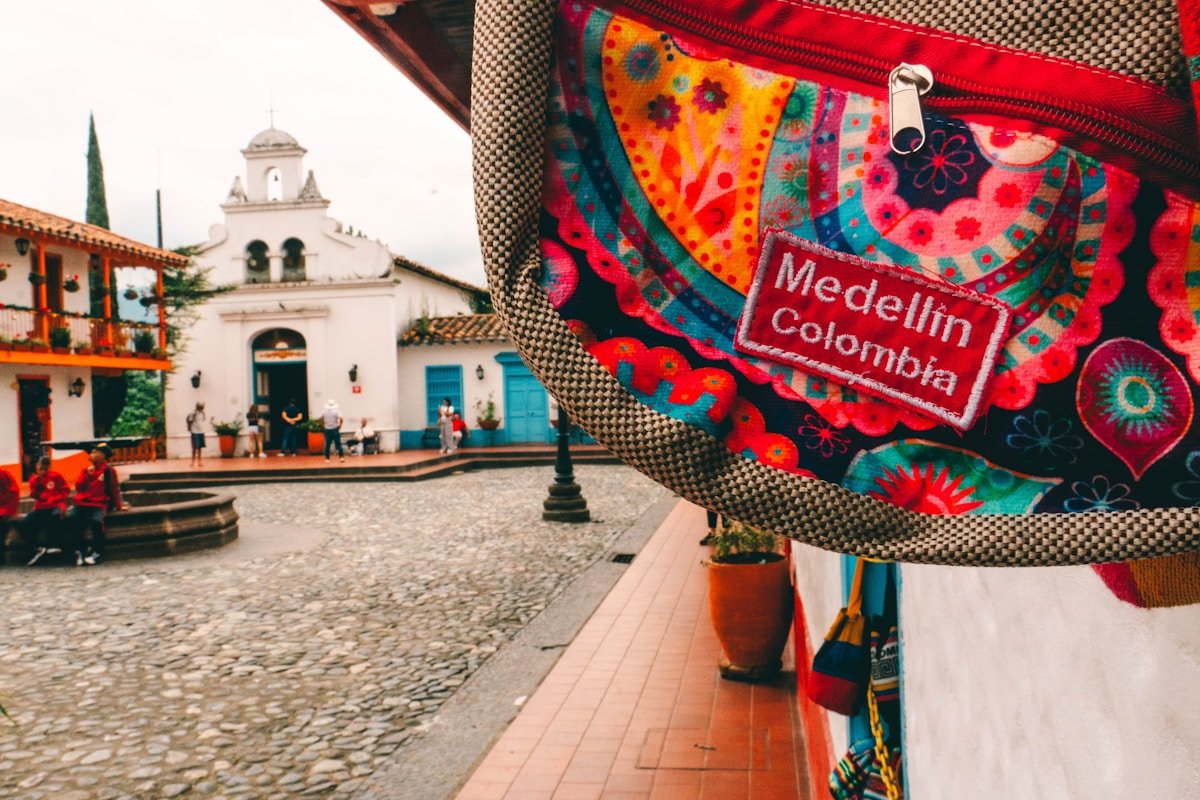
Medellin is a city that has reinvented itself in every direction, including at the table. It still has the deep Antioquian food culture - bandeja paisa, sancocho, arepas de maíz - that defines cooking in this part of the country. But it also has one of the most interesting contemporary Colombian restaurant scenes outside Bogota, concentrated in El Poblado and increasingly in the Laureles and Envigado areas.
This guide moves through the neighbourhoods and the dishes. The city is compact enough that you can eat very differently across multiple nights without long transit times.
Antioquian Food: What Medellin Eats
The Antioquia department has its own strong culinary identity, distinct from coastal Colombia and from the Andean south. The food is filling, pork-forward, corn-heavy and designed for altitude and hard work.
Bandeja paisa is the flagship: red beans cooked with pork, white rice, ground beef, chicharrón (fried pork belly), fried egg, fried plantain, blood sausage, arepa and avocado. It is calibrated to keep you full for most of a day. Authentic versions in Laureles run COP 22,000–35,000.
Arepa paisa is the simplest version of the arepa: white, plain, thin, cooked on a griddle and served with butter and fresh cheese. It is breakfast, afternoon snack and accompaniment to every meal.
Mazamorra paisa is a corn pudding dessert - soft white corn in warm water or milk with panela (raw cane sugar). Found at traditional restaurantes and markets; COP 5,000–10,000.
Laureles - Authentic Medellin Eating
Laureles is the neighbourhood west of El Poblado, across the Río Medellín. It is where Medellín residents actually go to eat - fewer tourists, more consistent quality per price.
Hacienda (Carrera 81 No. 31-10, Laureles): One of the best places for a full bandeja paisa in a proper setting. The platter is abundant and arrives on a divided tray at approximately COP 28,000–38,000. The décor is traditional antioqueño - wooden beams, colonial ceramics. Very popular at lunch; the queue moves quickly.
El Cielo (Carrera 40 No. 10-26, near Laureles): Chef Juan Manuel Barrientos’ high-concept restaurant has earned serious international recognition. The tasting menu uses molecular techniques to re-imagine Antioquian ingredients - expect textures and presentations that reframe familiar flavours. Tasting menu approximately COP 280,000–360,000 per person; book well in advance for weekends.
Mondongos (Calle 10 No. 34-58, multiple Medellin locations): A Medellin institution for mondongo (tripe soup) - a divisive but important local dish. The broth is long-simmered, rich and served with arepas and hogao on the side. A full bowl runs COP 22,000–30,000. Non-tripe options are also available for the hesitant.
Cervecería Libre (Carrera 70 No. 44-11): The best craft beer bar in Laureles, with 12+ taps rotating between local Colombian craft beers and international styles. Pints run COP 12,000–16,000. Simple food - arepas, patacones, nachos - from COP 12,000–22,000. The outdoor seating fills from 6pm on weekends.
El Poblado - Tourist District Eating
El Poblado is the main tourist and expat neighbourhood, centred on Parque El Poblado and the grid of restaurant streets around Carrera 35 and Calle 10. It is more expensive than the rest of the city but has good quality across the range.
Carmen (Calle 10 No. 32-65, El Poblado): One of Medellin’s most acclaimed tables - chef Rob Pevitts runs a contemporary menu drawing on Colombian biodiversity. The lunch set is better value at approximately COP 75,000–95,000 for two courses. À la carte mains run COP 65,000–100,000. Book a week ahead for weekend dinner.
El Ají (Calle 10 No. 38-31, El Poblado): A reliable mid-range spot for traditional Antioquian food in a tourist-friendly context. Bandeja paisa runs approximately COP 32,000–45,000. Good sancocho, ajiaco and grilled meats. Popular with both locals and visitors; no reservation needed outside of weekend evenings.
Enrique (Carrera 35 No. 7-28, El Poblado): An empanada-focused restaurant that has elevated a street food staple to a full menu. Creative fillings beyond the standard beef-and-potato - mushroom and truffle, prawn and ají amarillo. Empanadas from COP 8,000–18,000 each. A good spot for lunch or a snack between sightseeing.
Pergamino Café (Carrera 37 No. 8A-37, El Poblado): The most consistent specialty coffee shop in Medellin for Colombian single-origin coffees. Filter and espresso drinks from COP 7,000–14,000. The cold brew is excellent. Usually busy - arrive early or late to get a seat.
Commune 13 Area - Street Food with a Story
Getting to Commune 13 (San Javier) for the street art and escalators is standard on most Medellin itineraries. While you are there, the street food around the escalator base is worth factoring in.
Vendors set up from around 9am selling:
- Arepas cooked over charcoal (COP 3,000–6,000)
- Empanadas (COP 2,000–4,000)
- Buñuelos - fried cheese dough balls (COP 2,000–3,000)
- Fruit cups with lime and chilli (COP 4,000–6,000)
- Cold agua de panela (raw sugar cane water with lime, COP 2,000–3,000)
The vendors near the Escalera Eléctrica base (Calle 26 San Javier) are also community members, so buying here has a direct economic impact. A full lunch from the street stalls costs COP 15,000–25,000.
Envigado - Local Favourite South of El Poblado
Envigado is the municipality immediately south of El Poblado, easily reached by Metro (Envigado station, COP 3,400). It has a village square atmosphere, lower prices and several restaurants that Medellín residents prefer over the more tourist-heavy options in El Poblado.
El Rancho (Carrera 38 No. 34-01, Envigado): No-frills traditional Antioquian food. Generous portions and honest prices - a full lunch with a soup starter runs COP 15,000–22,000.
La Tienda del Café (Plaza El Poblado, Envigado): The best coffee spot in the area for a very Colombian experience - a mix of locals, a proper tinto counter and excellent pastries (pan de bono, pan de queso) for COP 3,000–6,000.
Drinks in Medellin
Aguardiente Antioqueño is the local call: the anise-flavoured cane spirit with a blue and gold label. Found at every supermarket and tienda for approximately COP 30,000–40,000 per 750ml bottle. In bars, COP 5,000–8,000 per shot.
Refajo - beer cut with Colombiana (a sweet orange soda) - is a local drink you will see at traditional restaurants. Two-thirds beer, one-third soda, served in a large glass. Oddly refreshing.
Take a Guided Food Tour of Medellín
Medellín’s food scene is best understood through its markets and comedores rather than its restaurant row, and a guided tour covers the ground most visitors skip. The most popular food tours in Medellín combine a morning visit to Plaza Minorista - Colombia’s largest traditional market, where set lunches are served from counters run by the same families for decades - with a street food walk through El Centro and often a hands-on bandeja paisa cooking class. A local guide also helps navigate the real difference between the tourist-facing El Poblado options and where Medellín residents actually eat. Book a Medellín food tour
Practical Notes
- Menú del día: Widely available in Laureles and Envigado from COP 12,000–18,000. The best value lunch in the city.
- Eating hours: Lunch (noon–3pm) is the main meal. Medellin restaurants open for dinner from 7pm but many local spots close by 9–10pm; El Poblado restaurants run later.
- Metro access: Laureles is reached via the Estadio or Floresta stations; El Poblado via El Poblado station. The system runs until midnight.
- Altitude: Medellin sits at 1,500 metres - warmer and lower than Bogota, so heavy traditional food is easier to handle here.
- Food tours: Food and market tours in Medellin covers Mercado del Río visits, paisa cooking classes, and street food walks through El Poblado and the Centro.
Where to Stay in Medellín
For easy access to both the market circuit in El Centro and the restaurant-heavy El Poblado, El Poblado or Laureles are the most practical base. Search hotels in Medellín to compare options across both neighbourhoods.
Related reading: Colombian Food: Dishes & Where to Eat and Colombian Street Food: What to Try.