Bogota has quietly become one of South America’s most interesting food cities. It sits at 2,600 metres above sea level, which shapes everything from the produce available to the comfort food people reach for. You eat differently at altitude: heavy soups, potato-rich dishes, warm drinks, hearty stews. But the city also has a serious fine-dining scene, a growing speciality coffee culture and some of the most eclectic street food on the continent.
This guide covers the neighbourhoods, the dishes and the specific spots worth your time.
Where to Eat by Neighbourhood
La Candelaria - Classic and Cheap
The colonial centre is where traditional Bogotano food is at its most concentrated and affordable. The streets around Plaza Bolívar are lined with tiendas and small restaurantes doing the menú del día - a full set lunch for COP 12,000–18,000 that includes soup, a main, juice and often a small dessert.
La Puerta Falsa (Calle 11 No. 6-50): This is the oldest restaurant in Bogota, operating since 1816. It is tiny - maybe 10 tables - and only opens for breakfast and lunch. The ajiaco is the thing to order: COP 22,000–28,000 for a full bowl with cream, capers and avocado on the side. The tamales (steamed corn parcels filled with pork, rice and vegetables) are COP 15,000–18,000 and arrive wrapped in banana leaves. Arrive before 1pm or join a queue.
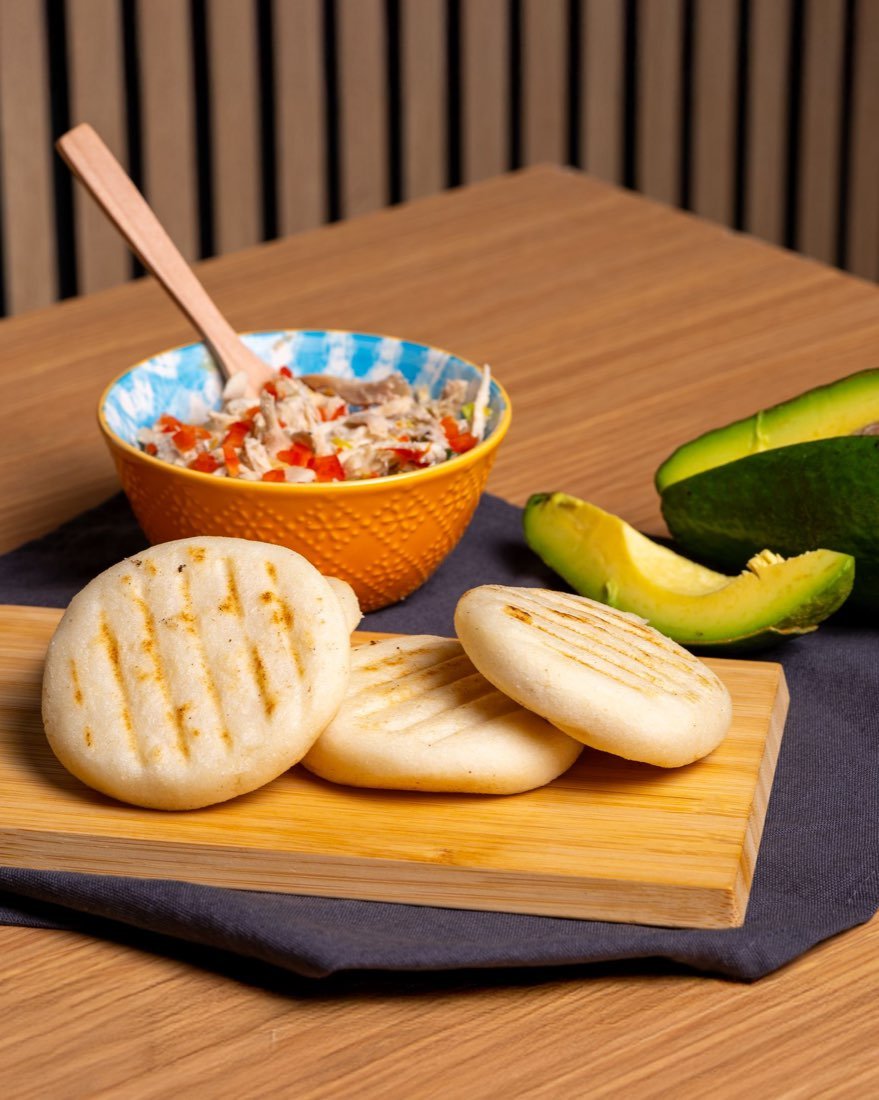
Mercado de La Perseverancia (Calle 30 with Carrera 5): A covered market that has been cleaned up in recent years and now mixes traditional market food with trendier vendors. Grab a coffee and a cheese arepa for COP 5,000–8,000 and wander.
Street empanadas: The carts near Plaza Bolívar and on the pedestrian streets of Calle 11 and Calle 12 sell fresh corn-masa empanadas for COP 2,000–4,000 each, with small cups of ají (house hot sauce) on request.
Chapinero and Zona Rosa - Mid-Range and Modern
Chapinero Alto and the Zona Rosa (around Calles 82–93) is where Bogota’s restaurant row concentrates. These are the evenings-out neighbourhoods: livelier, more expensive and with a wider international spread.
Masa (Carrera 13 No. 93A-45, Zona Rosa): One of the best casual-upscale spots in the city. The wood-fired pizza and pasta are the draws - pastas run COP 38,000–55,000, pizzas COP 40,000–60,000. The bread and charcuterie starters are worth ordering. Busy on weekend evenings; reserve ahead or arrive before 7pm.
Andrés D.C. (Calle 82 No. 12-21): The in-city sister of the legendary Andrés Carne de Res (see below). More accessible on weeknights, same sprawling festival energy. Grilled meats from COP 55,000, cocktails from COP 28,000. The menu is enormous and runs to multiple pages.
Mercado del Río Bogota (Carrera 24 No. 56-97): A food hall in Chapinero with around 20 vendors - sushi, pizza, Colombian, tacos, craft beer. Good for a group with mixed preferences. Stalls open from approximately noon to 10pm; budget COP 40,000–80,000 per head.
Usaquén - Sunday Market and Neighbourhood Dining
Usaquén is a well-preserved colonial neighbourhood in the northeast of the city, absorbed into Bogota as it expanded. On Sundays it hosts one of the best craft and food markets in South America: stalls line the streets from the church plaza along Usaquén’s pedestrian-friendly lanes.
Market food includes empanadas, obleas (wafer discs with arequipe), fresh juices, and regional snacks from across Colombia. Budget COP 20,000–40,000 for a morning of grazing.
For a sit-down meal in Usaquén:
El Chato (Calle 65 No. 9A-58, Chapinero Alto - often considered part of the Usaquén dining strip): One of Bogota’s most-talked-about restaurants in recent years, run by chef Álvaro Clavijo with a focus on Colombian ingredients. Prix fixe from approximately COP 180,000–250,000 per person. Worth it for a special meal.
Salvo Patria (Carrera 4A No. 66B-41): Casual neighbourhood restaurant in a converted house. Colombian cuisine with a modern edit - sancocho, ajiaco, grilled fish. Mains from COP 45,000–70,000. Very popular on Sunday evenings after the market.
Teusaquillo and Quinta Camacho - Local and Unpretentious
These residential neighbourhoods slightly south of Chapinero have Bogota’s best menú del día spots without the tourist markup. Walking along Carrera 14 (Avenida Colombia) or the side streets around Parque Sucre you will find multiple local restaurantes offering full lunches for COP 12,000–16,000.
Specific Dishes to Seek Out
Ajiaco
Bogota’s signature soup and the non-negotiable eat. Made with three types of native potato, chicken, corn and guascas herb, it arrives with a small jug of cream and a dish of capers and avocado to stir in. The best versions have a thick, slightly starchy broth from the dissolved papa criolla. La Puerta Falsa for the traditional experience; Restaurante Prudencia (Calle 69 No. 5-49) for a more upscale version at COP 38,000–48,000.
Changua
The Bogota breakfast soup: milk-based broth with a poached egg broken into it, served with stale bread to dip. It sounds bizarre to outsiders and is one of the most polarising dishes in Colombia. Try it at any traditional tienda for COP 8,000–12,000. It is warming at altitude and more addictive than it sounds.
Obleas
Wafer discs filled with arequipe (dulce de leche), jam, condensed milk, fresh cheese or all of the above. The oblea cart near Parque de los Periodistas (across from the Biblioteca Luis Ángel Arango) is a Bogota institution - COP 3,000–6,000 depending on filling. Street carts also operate near the Gold Museum throughout the day.
The Andrés Carne de Res Experience
No Bogota food guide is complete without mentioning Andrés Carne de Res (Autopista Norte with Calle 3, Chía - 45 minutes north of Bogota). It is not just a restaurant; it is a multi-storey spectacle: walls covered in bizarre found objects, live bands at weekends, a nightclub section that opens after dinner, and a menu the size of a telephone directory.
The food - grilled meats, sancocho, mazorca asada, a hundred varieties of cocktail - is genuinely good. A full evening with food and drinks runs COP 90,000–200,000 per person. The taxi from Bogota (each way approximately COP 70,000–90,000) or bus are your options; there is no Metro to Chía. Book ahead on weekends.
Speciality Coffee in Bogota
Bogota’s third-wave coffee scene is now significant. The best cafés:
- Amor Perfecto (Calle 119 No. 6-12, Usaquén area, plus several other locations): The most established specialty roaster in Bogota. Pour-overs and espresso drinks from COP 8,000–14,000. Their house-roasted Colombian single-origins are worth buying as takeaway.
- Catación Pública (Carrera 9 No. 69A-65): A Bogota fixture known for Colombian single-origin espresso and filter coffee. COP 7,000–14,000 per cup.
- Devoción Bogota (multiple locations): Originally a New York-exported brand but using Colombian beans. Excellent cold brew and filter; COP 10,000–16,000.
Take a Guided Food Tour of Bogotá
Bogotá’s food scene spreads across six distinct neighbourhoods and a guided food tour is one of the most efficient ways to eat across them in a single day. The best tours combine a morning walk through La Candelaria - ajiaco at La Puerta Falsa, street empanadas from the carts on Calle 11, and obleas near Parque de los Periodistas - with a visit to Paloquemao market, where chefs source produce from 5am. Some tours include a Colombian cooking class at the end, letting you replicate dishes like ajiaco santafereno at home. Book a Bogotá food tour
Practical Notes
- Opening hours: Most traditional restaurantes in La Candelaria serve lunch from noon to 3pm and close or go to a reduced menu after that. Evening dining culture is strongest in Chapinero and Zona Rosa, where restaurants run 7pm–midnight.
- Safety: Bogota is safe for restaurant dining in all neighbourhoods mentioned here. Use InDriver or Cabify for late evenings rather than hailing street taxis.
- Sunday closing: Many local restaurantes close on Sundays. The Usaquén market compensates with excellent street food options.
- Altitude: At 2,600 metres, alcohol hits faster than at sea level. Pace yourself on the first day.
- Food tours: Food and cooking tours in Bogota cover La Candelaria street food walks, market visits, and a Colombian cooking class - a good way to eat your way through all of the above with local guidance.
Where to Stay in Bogotá
If you’re spending time working through Bogotá’s food scene, location matters. Chapinero Alto and Zona Rosa put you within walking distance of the best restaurants; La Candelaria is more central for the street food circuit but requires taxis for evening dining. Search hotels in Bogotá to compare options across all neighbourhoods.