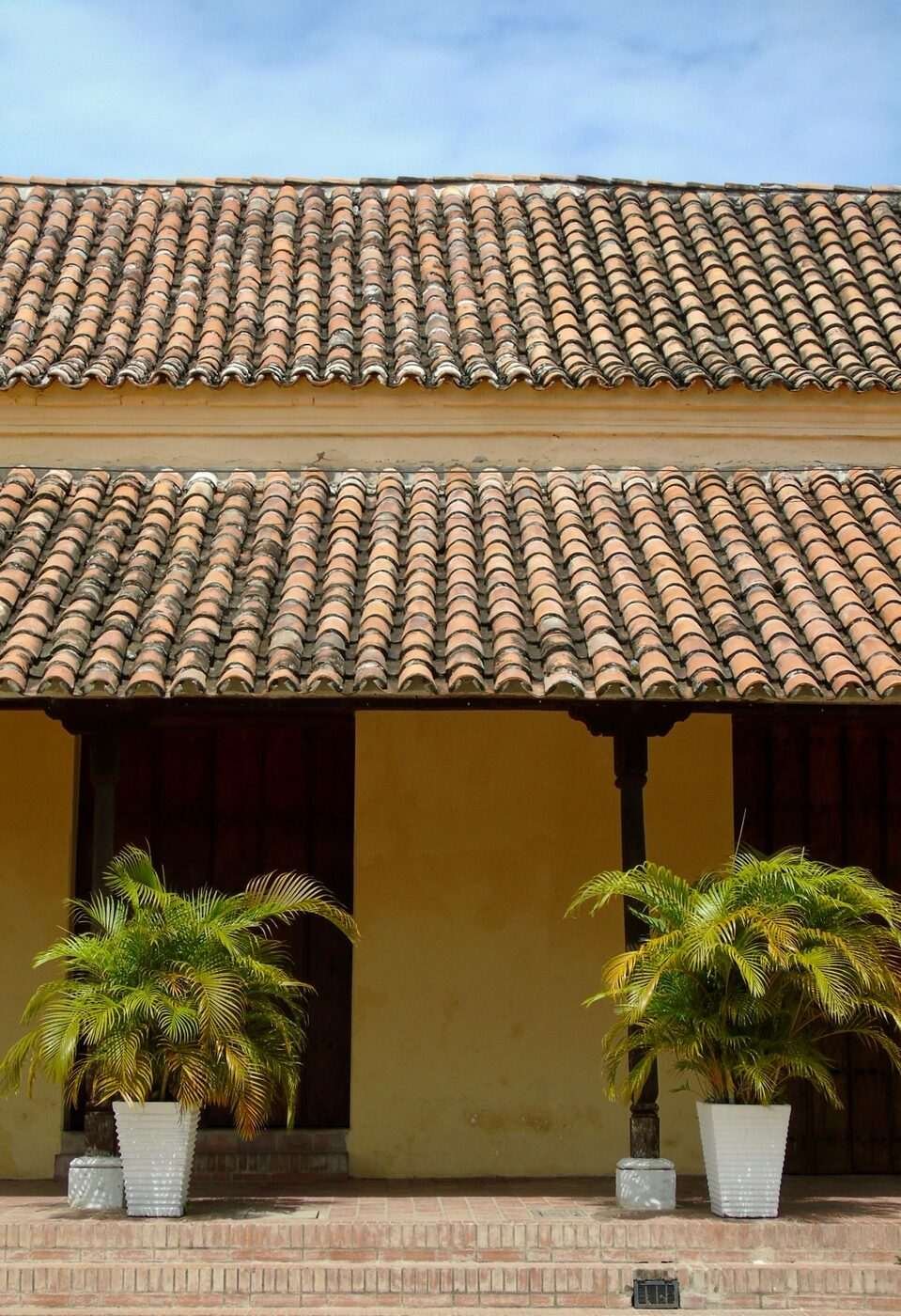
Mompox is one of the most intact colonial towns in South America, preserved not by restoration but by isolation. The Magdalena River shifted its main channel in the late 19th century, cutting the town off from the main trade routes and leaving it to age quietly for 150 years. UNESCO added it to the World Heritage list in 1995. The result is a town that feels like walking into the 1700s - not a performance, but simply a place where modernisation never arrived with sufficient force to erase what came before.
Gabriel García Márquez used it as inspiration. Simón Bolívar raised troops here during the independence campaigns. The streets are unchanged, the churches intact, the filigree workshops still operating. Getting here is slow and involves a river crossing - and that difficulty is exactly what has kept the place as it is.
Walking the Historic Streets
The historic centre of Mompox is entirely walkable. The main street - Calle de la Albarrada - runs along the western bank of the Magdalena and is lined with colonial houses, filigree workshops, and a series of church facades that appear at regular intervals along its length. The scale is human and unhurried: no traffic noise, no construction sites, nothing pressing you forward.
Walk Calle de la Albarrada at least twice - once in the morning when the light hits the colonial plasterwork directly, and once in the late afternoon when it turns orange and the riverside fills with people. The street is also where the best filigree workshops are located; you can watch craftsmen work through open doors without obligation.
The street grid radiates south from the main square (Playa de San Agustín) and is compact enough that getting lost is pleasant rather than inconvenient.
The Six Colonial Churches
Mompox’s wealth in the 17th and 18th centuries built six significant churches, all within walking distance of each other. The most photographed is Iglesia de Santa Bárbara, a baroque church with a distinctive octagonal tower that overhangs the Magdalena directly - one of the most striking pieces of colonial architecture in Colombia. Entry is free; it is open for services and typically for visits in the mornings.
Iglesia de San Francisco and Iglesia de San Agustín flank the main plaza. The interior of San Agustín contains some of the best-preserved colonial altarpieces in the country - carved and gilded woodwork that survived 400 years in this humidity. Iglesia de La Concepción, further south, has a well-proportioned baroque facade and a quieter interior. Iglesia de Santo Domingo and the smaller Iglesia del Carmen complete the set.
None of the churches charge admission, and most are open for a few hours in the mornings and again in the late afternoons. Visiting all six in a half-day is reasonable at a relaxed pace.
Filigree Workshops
Mompox’s filigree tradition is the town’s most significant living craft. The workshops on and near Calle de la Albarrada employ craftsmen who have typically been working since their teens and who produce pieces of extraordinary delicacy entirely by hand. The wire - gold or silver, drawn to very fine gauges - is coiled, twisted, and soldered into patterns that appear woven rather than metallic.
Several workshops operate as combined workshop-and-shop, open to visitors during working hours. La Casa de la Filigrana on the albarrada is one of the most visited; the craftsmen work at wooden benches in the front room and their output is sold directly from a counter at the back. Ask to see the process of drawing the wire if they are demonstrating it - the machinery is hand-operated and pre-industrial in its simplicity.
Prices for silver filigree earrings start at approximately COP 80,000 to 150,000 depending on complexity; gold earrings start at approximately COP 250,000. Larger pieces - pendants, brooches, decorative items - can cost several million pesos. Quality varies between workshops; compare pieces from at least two before buying.
Magdalena River Boat Trips
Mompox sits on a brazo (arm) of the Magdalena River, and the river is central to daily life - fishing, transport, commerce. Taking a short boat trip onto the water gives a perspective on the town and its setting that is impossible from the streets.
Local fishermen at the main port (adjacent to Iglesia de Santa Bárbara) offer one-hour river trips for approximately COP 30,000 to 60,000 per person. Longer trips to nearby ciénagas (lagoons) and bird-rich backwaters take two to three hours and cost approximately COP 80,000 to 120,000 per person.
The best time for a river trip is early morning (before 8am) for birds - herons, ibis, jacanas - or late afternoon for the light on the town’s riverside facades.
The Cemetery
The Cementerio de Mompox is an unusual attraction and a genuinely beautiful one. The 19th-century cemetery’s whitewashed mausolea and marble statuary have aged in ways that make it more picturesque than morbid - an unexpected repository of the town’s history and its attitudes toward death. It is open during daylight hours. The angel statues and family tombs that appear throughout are original 19th-century stonework.
Sunsets from the Malecón
The riverside malecón around Iglesia de Santa Bárbara becomes the social hub of Mompox in the late afternoon. Locals bring chairs, vendors sell juice and snacks, and the light turns the colonial facades amber before dropping below the opposite bank. The combination of Magdalena water, church tower, and colonial roofline at golden hour is extraordinary and requires nothing more than being there.
Practical Notes
Heat: Mompox sits at low altitude on the Magdalena floodplain. Temperatures regularly exceed 35°C with high humidity. Plan outdoor sightseeing for mornings and late afternoons; rest during the midday heat. Carry water constantly.
Getting around: The historic centre is walkable. Mototaxis (COP 3,000 to 5,000 per trip) cover the further reaches of the town and the route to the bus terminal.
Getting there: The main route from Cartagena involves a bus to Magangué then a river crossing by chalupa to La Bodega (total approximately 5 to 7 hours). Direct van services from Cartagena operate for approximately COP 70,000 to 90,000 per person.
For accommodation, see our where to stay in Mompox guide. For full transport and logistics, the Mompox travel guide covers routes, timing, and what to expect on arrival.
| Tour | Duration | From Price | |
|---|---|---|---|
| Browse Mompox tours and day trips | - | - | Browse |
Where to stay: Search hotels in Mompox on Booking.com