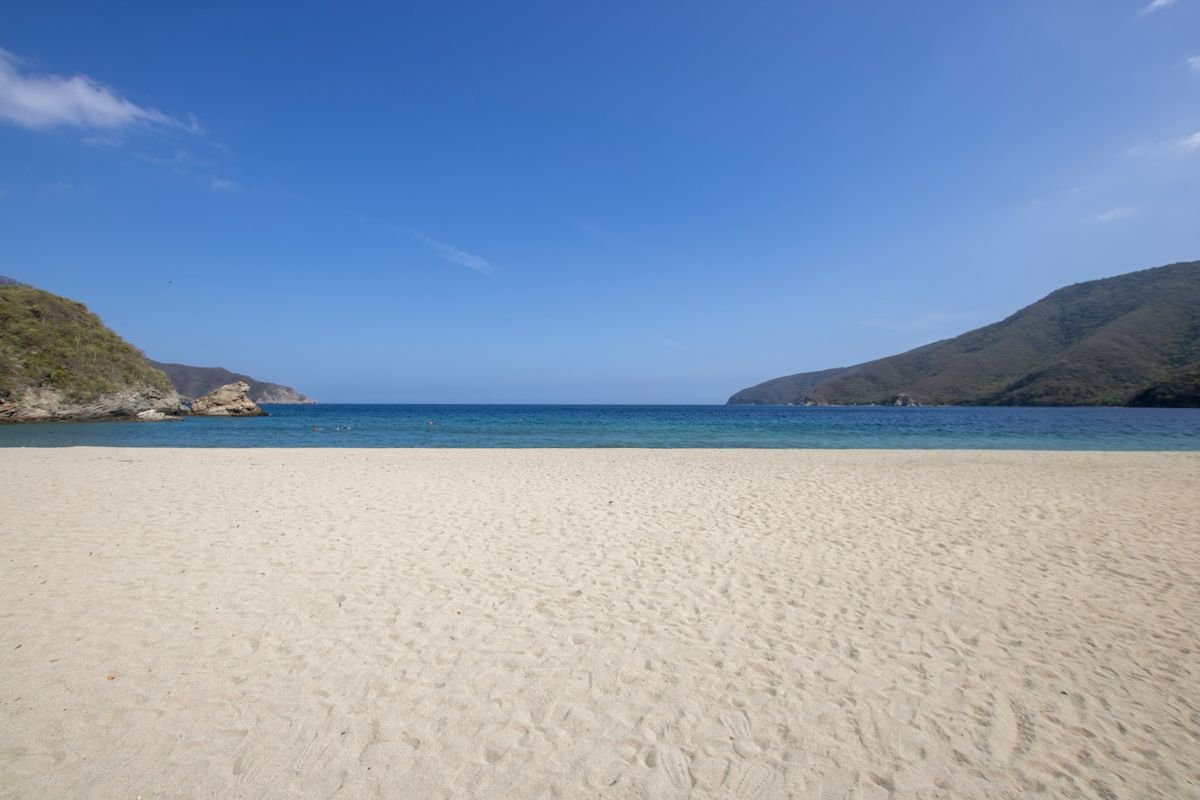
Santa Marta is Colombia’s oldest surviving city, founded in 1525, and it sits at the base of the Sierra Nevada de Santa Marta - the world’s highest coastal mountain range. The city itself is a launching point for two of Colombia’s most visited natural sites: Tayrona National Park and the Ciudad Perdida (Lost City) trek. Both are accessible year-round, but the timing of your visit determines which activities are most practical and which are closed.
The Two Seasons
Dry season (December to April): The Caribbean coast between Santa Marta and Tayrona sees its clearest skies, calmest seas, and lowest rainfall. Beach conditions in Tayrona are at their best: the Caribbean goes glassy blue, visibility for snorkelling improves, and the jungle trails are passable without rain gear. This is the most visited period - book Tayrona entry in advance and expect higher prices everywhere.
Rainy season (May to November, wettest September to November): Afternoon and evening rain is regular. The jungle around Tayrona becomes dramatically lush. Sea conditions at Tayrona beaches can be rough in October and November, with some swimming areas restricted. Prices across Santa Marta and Taganga drop noticeably; the city itself is never flooded or inaccessible.
One important exception to the dry-season rule: Tayrona closes in February for its annual environmental rest month. This is the driest and most comfortable time of year for coastal Colombia, but Tayrona visitors cannot enter. If Tayrona is your primary reason for visiting Santa Marta, target January, March, or April instead.
Find tours and experiences in Santa Marta
Month-by-Month Breakdown
January
One of the best months. The dry season is fully established, the sea at Tayrona is at its calmest, and while it is busy with domestic and international visitors, availability is manageable if you book Tayrona entry a week or two in advance. Ciudad Perdida treks have good conditions: manageable heat, clear views from the summit, and relatively dry trails. Santa Marta’s waterfront (El Rodadero, the boardwalk) is at its most appealing.
Weather: 27–33°C. Dry and sunny. Crowds: High - peak domestic season continues through early January. Best for: Tayrona beaches, Ciudad Perdida trek, snorkelling at Playa Cristal.
February
The driest and hottest month on the Caribbean coast - and also when Tayrona is closed. The park closure (typically the entire month of February) is enforced and there are no exceptions for guided tours. Santa Marta’s urban beaches (El Rodadero, Playa de Santa Marta) remain accessible. The Barranquilla Carnival (usually February, occasionally early March) is a 2-hour drive west and many visitors combine a Santa Marta base with a Carnival day trip.
Weather: 27–34°C. Hottest and driest month. Crowds: Moderate - fewer Tayrona visitors, some Carnival spillover. Best for: Urban Santa Marta, El Rodadero beaches, Barranquilla Carnival day trips, budget travel.
March
Tayrona reopens, and March is one of the busiest months of the year as pent-up demand from February returns. The dry season continues strongly into March. Semana Santa (Holy Week, March or April) sends Colombian domestic tourism into overdrive - every beach destination on the Caribbean coast is packed, and Tayrona entry for Holy Week typically needs to be booked 3 to 4 weeks ahead.
Weather: 27–33°C. Dry. Crowds: Very high during Semana Santa. Book early. Best for: Tayrona, Caribbean trekking, post-Tayrona-closure visitors.
April
Late dry season. Rain starts arriving in the second half of April. Early April (especially before Semana Santa, if it falls in March) is still excellent beach weather. April is also one of the better months for birdwatching in the Sierra Nevada - the birding sites around Minca (a mountain village 30 minutes from Santa Marta) are at their most active as the first rains bring insects and flower blooms.
Weather: 28–33°C. Increasing rain from mid-month. Crowds: High during Semana Santa; moderate otherwise. Best for: Late dry-season beach visits, Minca birdwatching, Sierra Nevada day trips.
May to August
The rainy season settles in. Rain falls mainly in the afternoon and evening. Mornings along the coast and in Tayrona are often clear enough for beach visits, and the trails in Tayrona are open and lush. Ciudad Perdida continues year-round with agencies managing the trail conditions. The August “veranillo” (a mid-year dry spell) can produce some excellent weeks with reduced rain and clear skies. Prices drop substantially - a good period for budget travellers.
Weather: 26–31°C. Daily afternoon rain. July–August sometimes drier (veranillo). Crowds: Low to moderate. Mostly independent travellers. Best for: Budget travel, Tayrona jungle walks, Ciudad Perdida in wet-season conditions.
September to November
The wettest period. Tayrona closes for approximately the first two weeks of November for a second annual rest period. Seas at Tayrona beaches can be rough in October and November, with swimming restrictions at Playa Brava and occasionally at La Piscina. The park’s river crossings and trails require waterproof footwear. Prices are at their lowest across Santa Marta, and the jungle is intensely green. Ciudad Perdida operates but trail conditions are demanding.
Weather: 25–30°C. September to November are the wettest months. Crowds: Very low. Quietest period for foreign visitors. Best for: Very budget-conscious travellers, adventurous jungle visitors, Ciudad Perdida off-season.
December
The dry season returns, Tayrona emerges from its November closure, and Santa Marta begins filling up with domestic Colombian tourists for the Christmas holidays. The city’s waterfront is festive, accommodation in Taganga and El Rodadero books up quickly from December 20 onwards, and the combination of dry weather and clear seas makes Tayrona some of its best annual conditions. Tayrona entry reservations for late December should be made 3 to 4 weeks ahead.
Weather: 27–33°C. Dry from early December. Crowds: High from December 20 onwards. Best for: Tayrona beach season opening, Christmas holidays, New Year on the Caribbean coast.
Tayrona National Park: Booking and Entry
Since 2019, Tayrona requires advance online reservations through the Parques Nacionales Naturales de Colombia website. Entry is capped at around 2,000 visitors per day during peak periods. Walk-in entry is available on quieter days but cannot be guaranteed - book at least a week ahead during December, January, March, and Semana Santa.
Annual closures:
- February (full month) - environmental conservation
- First two weeks of November - environmental conservation
Entry fee (as of 2026): approximately COP 59,500 for foreign visitors, COP 27,300 for Colombian nationals. Cabin accommodation inside the park (at Ecohabs Tayrona and El Cabo San Juan) must be booked separately through the concession operators.
Getting There
Simón Bolívar International Airport receives domestic flights from Bogotá (1.5 hours), Medellín (1.5 hours), Cali, and Cartagena. Taxi from the airport to the city centre is approximately COP 25,000–35,000. Bus connections from Barranquilla (2 hours) and Cartagena (4 to 5 hours) are frequent. The most common overland route is Cartagena → Santa Marta, usually by direct bus or shared transfer.