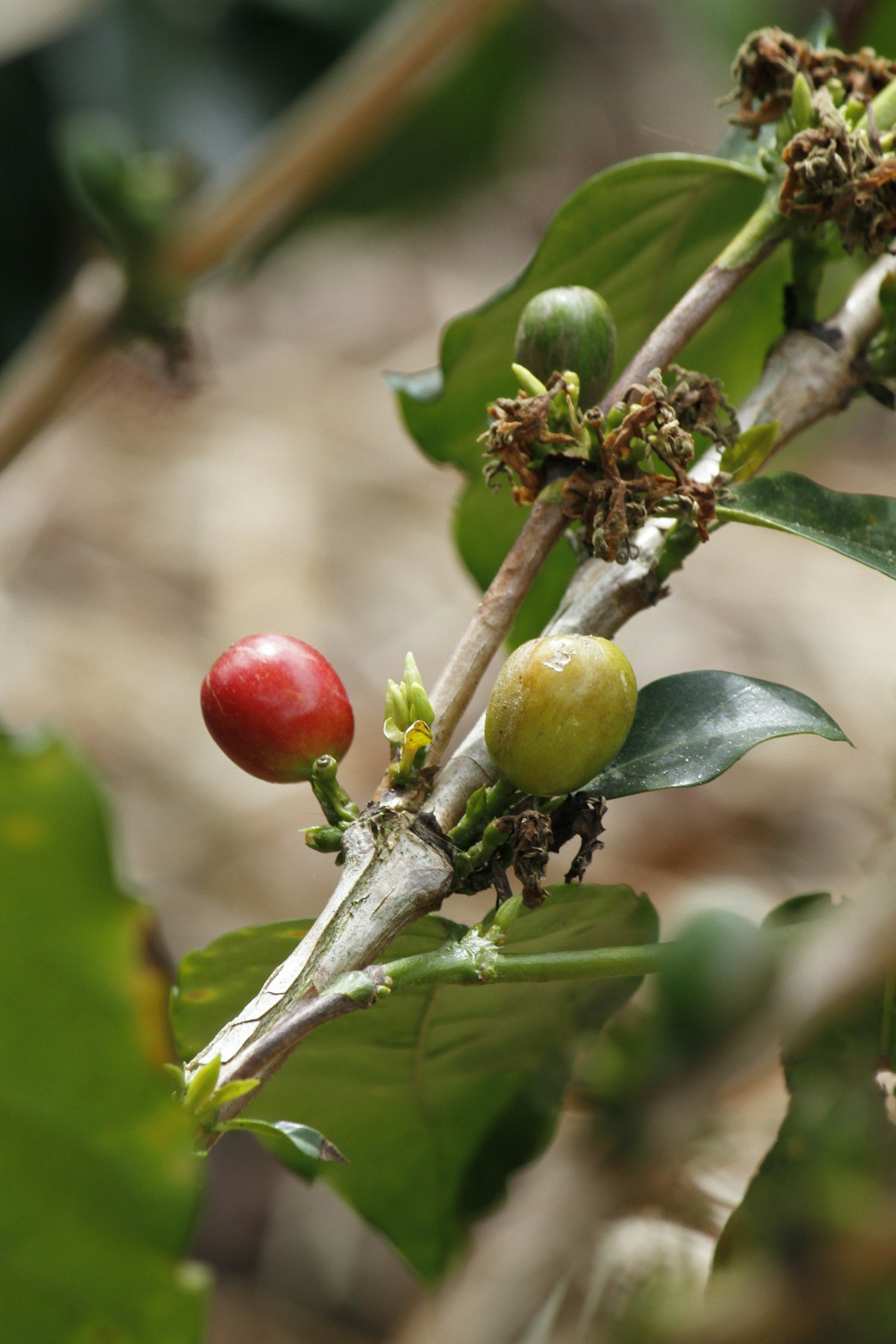
Colombia produces approximately 12 million 60-kilogram bags of coffee per year, making it the world’s third-largest producer. Most of that coffee comes from the Eje Cafetero (Coffee Axis) - the trio of departments of Risaralda, Quindío, and Caldas, a landscape of steep volcanic hills, banana palms, and neatly planted cafetales (coffee plots) stretching between the cities of Pereira, Armenia, and Manizales.
A coffee farm tour here is not just a pleasant outing - it is one of the few places in the world where visitors can see an entire specialty coffee supply chain operating at a genuinely artisanal scale: seed nursery, growing rows, hand-picking ripe cherries, pulping, fermenting, washing, drying, milling, and cupping, all within a few hundred metres.
What Happens on a Farm Tour
Most farm tours last 2 to 3 hours and follow a similar arc:
1. Introduction to the farm - your guide explains the varieties being grown (typically Caturra, Castillo, or Bourbon), the altitude (most farms in Quindío are between 1,200 and 1,800 metres above sea level), and the regional microclimate that makes Colombian coffee distinctive. Average farm tour groups are 4–12 people.
2. Walking the rows - you walk through the coffee plants and learn to identify ripe cherries (a deep, even red, no orange patches). If it is harvest season (October to February in most of the Eje Cafetero, though some farms harvest twice yearly), you will pick cherries yourself. This is not a performance - ripe cherries genuinely need to be picked, and guides are not shy about handing you a canasta (harvest basket) and expecting you to fill it.
3. Processing demonstration - the farm’s beneficio (processing station) shows each step: pulping the cherry skin, fermenting the sticky mucilage off the beans, washing, and then spread-drying on raised camas africanas (African beds) or concrete patios. You will see beans at multiple stages simultaneously.
4. Roasting - most farms roast small batches by hand in traditional clay or iron drum roasters over wood or gas flame. The aroma fills the beneficio. Roast level is typically explained and demonstrated.
5. Cupping - the tour ends with a guided tasting, comparing one or more of the farm’s microlots. A trained guide will walk you through cupping protocol (smelling the dry grounds, wetting them, breaking the crust, tasting by slurping) and explain the flavour notes - caramel, citrus, berry, and dark chocolate are common in Eje Cafetero coffees.
Recommended Farms and Operators
Around Salento and the Cocora Valley:
GYG-listed farm tours with instant booking and free cancellation — prices as of 2026:
| Farm Tour | Duration | From Price | |
|---|---|---|---|
| Coffee Farm Tour at Finca El Ocaso, Salento (English) | 1.5 hours | from $23 | Book |
| Salento: Coffee Experience & Tasting at El Jazmín Farm | 1.5 hours | from $25 | Book |
| Browse all Salento tours | — | — | Browse |
Prices are per person. Both tours run multiple times daily during high season — confirm schedule when booking. Tipping guides (COP 10,000–20,000) is appreciated but not expected.
- Finca El Ocaso (Salento) - one of the most-visited farms in the region; half-day tours in English and Spanish; approximately COP 60,000–75,000 (around USD 15–18) per person; confirm current schedule with your hostel as tours run multiple times daily during high season
- Finca La Vuelta (Salento) - smaller and quieter, with emphasis on organic cultivation; approximately COP 50,000 per person
- Finca Palestina (near Salento) - good for families; tours include horse riding as an add-on option
Around Pereira (Risaralda):
- Hacienda Venecia (Manizales–Chinchiná corridor, closer to Manizales but accessible from Pereira) - the most celebrated hacienda experience in the region; UNESCO Cultural Landscape–certified; tours from approximately USD 30–55 per person depending on length; includes gourmet meal option; advance booking strongly recommended
- Hacienda San Alberto (Buenavista, Quindío) - award-winning micro-producer focused on specialty cupping; tours from approximately COP 120,000 per person; this is one of Colombia’s best farms for those with serious coffee interest
Around Armenia (Quindío):
- Montenegro’s National Coffee Park (Parque Nacional del Café) - a theme-park format that covers coffee history, but lacks the authentic farm atmosphere; good for families with children; entry approximately COP 65,000 adults, COP 50,000 children
- Independent finca tours organised through Armenia’s tourism office - usually the cheapest option; approximately COP 35,000–50,000 per person including transport from Armenia bus terminal
Getting to the Farms
Most farms are reachable by:
- Jeep chiva from Salento plaza - departures throughout the day; COP 5,000–10,000 per person depending on destination
- Taxi from Armenia or Pereira city centres - approximately COP 25,000–50,000 one way depending on distance
- Rental car - the road network in Quindío and Risaralda is well-maintained; driving is straightforward
- Organised tour from Bogotá or Medellin - multiple operators run overnight packages combining farm visits, Salento, and the Cocora Valley; typically 2 nights/3 days from approximately USD 200 per person
Best Season for Farm Visits
The main harvest season is October through February across most of the Eje Cafetero, though altitude variations mean some farms also have a smaller mitaca harvest in May and June. Visiting during harvest gives the most complete experience - all processing stages running simultaneously, fields full of pickers.
Outside harvest, the farm tour is still educational and the cupping just as good - you will see dry beans, milling, and roasting rather than wet processing.
Climate: The Eje Cafetero has year-round rainfall (it is tropical cloud forest) but rains tend to be heaviest April–May and September–October. Farm visits are pleasant year-round - rain makes the green hills even more dramatic.
Practical Notes
- Dress code: Comfortable walking shoes and clothes you don’t mind getting a little muddy or coffee-stained. No open-toed shoes for farm paths.
- Photography: Most farms allow photography throughout the tour. Ask before photographing workers at close range.
- Purchases: Nearly all farms sell their own roasted coffee at the end of the tour. Prices are typically COP 20,000–40,000 per 250g bag - considerably cheaper than specialty coffee pricing in Bogotá or abroad. Buy here rather than at airport shops where margins are much higher.
- Language: English-language tours are available at the larger farms (Hacienda Venecia, Finca El Ocaso) but require advance booking. Smaller fincas usually offer Spanish only - a bilingual guide hired separately in Salento (approximately COP 60,000–80,000 for a half-day) covers this gap well.