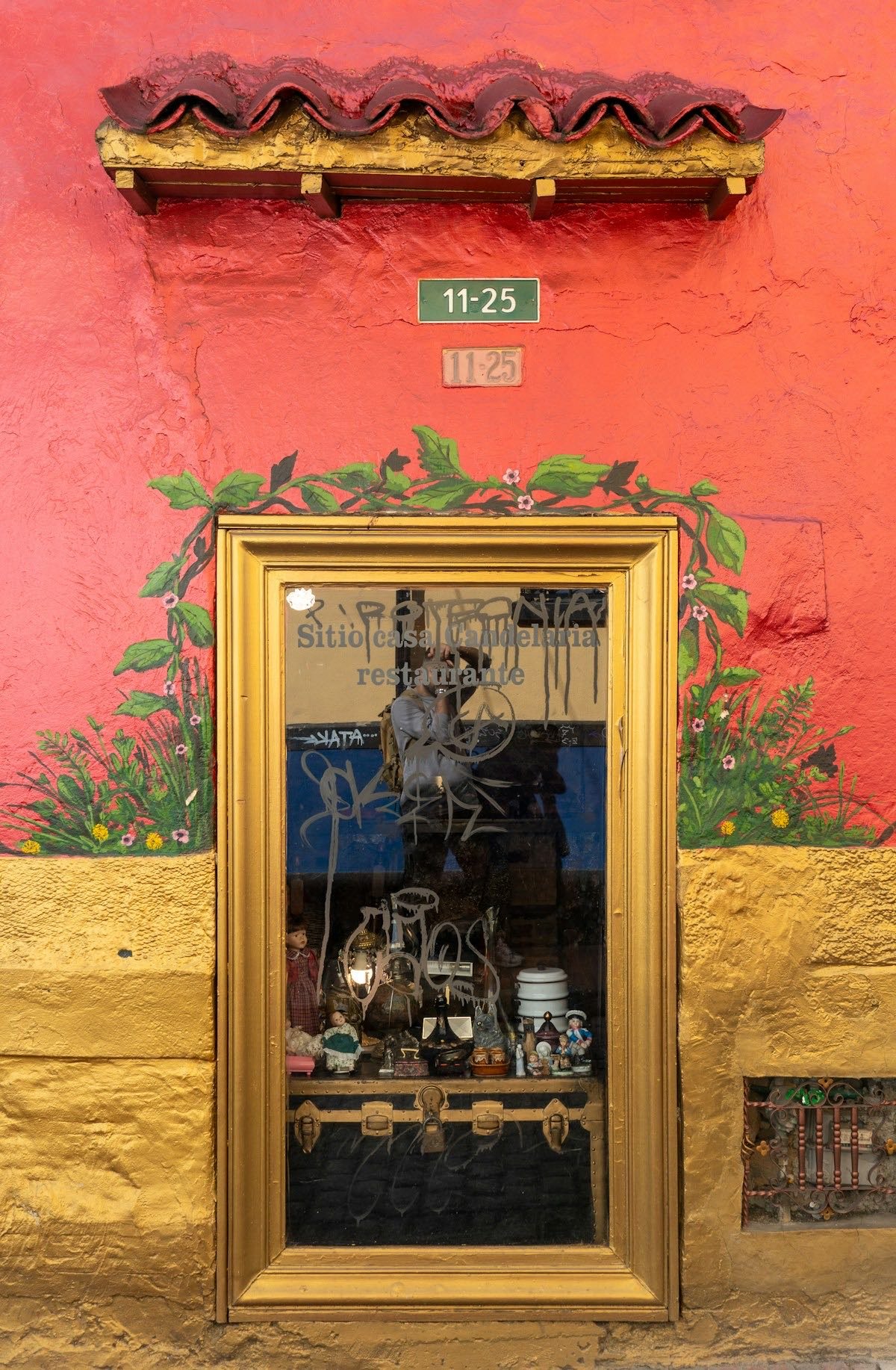
Bogota has developed one of the most diverse plant-based food scenes in South America over the past decade. The city’s size - nine million people - means it can sustain the kind of specialist restaurant culture that smaller Colombian cities cannot, and the concentration of students, artists, and internationally-minded professionals in neighborhoods like Chapinero and Usaquen has generated sustained demand for genuinely creative vegan cooking.
This is not a scene defined by substitutes and compromise. The best vegan restaurants in Bogota cook Colombian cuisine - ajiaco, sancocho, bandeja - from an entirely plant-based perspective, using native ingredients from the Andes, the Amazon basin, and the Caribbean coast. Others have taken the internationalist approach, with Korean-Colombian fusion bowls, Lebanese-influenced mezze, and whole-grain European-style bakeries that would hold their own in London or Berlin. The options are wide.
Chapinero: The Best Neighbourhood for Vegan Food
Chapinero is where to start. The neighbourhood has the highest density of independent restaurants, cafes, and natural food shops in the city, and vegan options are well-represented among them. The sector around Calle 63–72 and the streets of Chapinero Alto are the most productive area.
Artemisa (Calle 67 No. 5-50, Chapinero) is the standout vegan restaurant in this neighbourhood and, for many visitors, in the city. The menu is seasonally adjusted and uses Amazonian and Andean ingredients - yuca in preparations you have not seen before, achira tubers, purple potato from the Boyaca highlands. A full three-course set lunch (menú del día) runs approximately COP 22,000–30,000 as of 2026; evening à la carte is higher. The arroz con guanábana (rice cooked with soursop and served with a mushroom-based protein) is frequently cited by reviewers as a benchmark dish.
Quinua & Amaranto (Carrera 7 No. 69-10, Chapinero) focuses on Andean grains - quinoa, amaranth, kiwicha - as the base for bowls, soups, and mains. The grain bowl with roasted vegetables, black beans, and a miso-based dressing is a reliable lunch; the herbal tea range is drawn from Boyaca and Cundinamarca highland farms. Menú del día approximately COP 16,000–22,000. Closes at 5 pm most days - lunch only.
Masa (Calle 70 No. 10-90) is a bakery-café that is not exclusively vegan but has an extensive vegan range and is worth knowing. The sourdough is exceptional by any standard, and the vegan croissants (made with coconut oil rather than butter) are genuinely good rather than a sacrifice. Breakfast and brunch items run approximately COP 18,000–35,000. Queues form on weekend mornings.
Usaquen: Upscale and Weekend-Friendly
Usaquen, the upmarket northern neighbourhood, has a higher density of restaurants generally and several excellent vegan or vegan-friendly options in the converted colonial houses around the main square.
Naturalia (Calle 119 No. 7-24, Usaquen) has been a fixture of Bogota’s plant-based scene for over fifteen years - long enough to predate the current wave of trendy vegan restaurants. The kitchen uses no animal products of any kind and the menu covers Colombian comfort food (sopa de lentejas, grains, root vegetables) alongside international dishes. Mains approximately COP 28,000–45,000. The weekend brunch menu is particularly good.
La Juguería (Calle 119 No. 6-23, Usaquen, and multiple locations) is a juice and smoothie bar that has expanded into full vegan meals - acai bowls, vegan sandwiches, cold-pressed juices from Colombian tropical fruits. The guanábana and ginger shot is essential. Prices are approximately COP 12,000–22,000 for a main item. The Usaquen location has a terrace that is particularly pleasant on Saturday mornings.
Gaia (Carrera 11A No. 93-52, near Parque 93) is a more recently established restaurant positioned at the upscale end of Bogota’s vegan market. The kitchen produces genuinely refined plates - black bean tataki, yuca gnocchi with Andean mushrooms, cacao-based desserts. Dinner for two with drinks runs approximately COP 120,000–200,000. One of the few vegan restaurants in the city where the visual presentation matches the flavour.
La Candelaria and La Macarena: Student Options
The historic centre has fewer dedicated vegan restaurants but a large number of restaurants offering menú del día with vegan options - the standard Colombian set lunch where the three-course meal price (soup, main, dessert) ranges from COP 8,000–15,000. The majority of these menus can accommodate plant-based requests - specify “sin carne, sin pollo, sin pescado” (no meat, no chicken, no fish) when ordering.
Bio Tienda y Café (Calle 19 No. 5-36, La Macarena) is a small health food shop with a lunch counter attached - the kind of place that has been serving simple vegan food for twenty years without making a brand out of it. Soups, grain dishes, and whole-grain breads approximately COP 10,000–16,000. Worth knowing if you are staying in the historic centre.
Practical Notes for Vegan Eating in Bogota
Menú del día. The set lunch is the default meal format in Colombia, and most comedores populares (workers’ lunch restaurants) can adapt their menu to plant-based requests. Ask specifically: “Tiene una opción sin carne?” (Do you have an option without meat?). Beans, rice, plantain, salad, and yuca can almost always be assembled into a satisfying vegan meal for COP 10,000–16,000.
Supermarkets. Carulla (the upscale supermarket brand) has the best range of plant-based products in Bogota - vegan cheese, oat milk, tofu, and imported health food items. Carrefour and Éxito stock the basics. The Chapinero and Usaquen branches typically carry the widest range.
Natural food shops. Around Chapinero, several tiendas naturistas (natural health shops) sell bulk grains, seeds, and unprocessed foods at very low prices. Worth visiting if you are self-catering.
Market produce. The Plaza de Mercado de Paloquemao (Carrera 27, near Calle 19) is Bogota’s most interesting fresh market - an enormous covered space selling tropical fruits, Andean vegetables, herbs, and produce that you will not find in supermarkets. The range of Colombian fruits alone is worth the visit: lulo, pitahaya, guanábana, granadilla, maracuya, tomate de árbol. All are naturally vegan and several are difficult to find outside Colombia.
Food tours. Food and market tours in Bogota includes Paloquemao market visits with a local guide who can navigate the produce stalls and explain what you are looking at - genuinely useful for first-time visitors unfamiliar with tropical Colombian ingredients.
Related reading: things to do in Bogota, day trips from Bogota and Bogota travel guide.