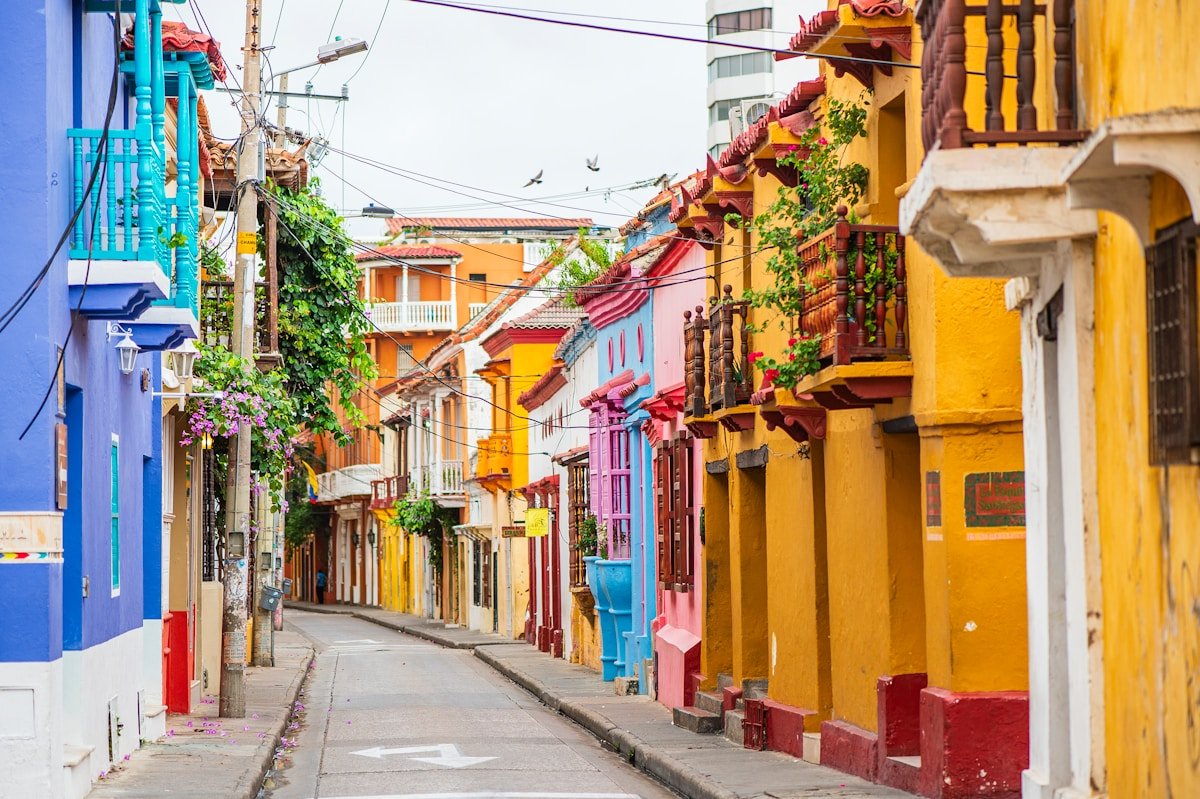
Cartagena is not the easiest city in Colombia for vegan eating, but it is significantly easier than it was five years ago. The Caribbean coast culinary tradition is built on seafood, arroz con coco (coconut rice made with fish stock in traditional versions), posta negra beef, and dairy-heavy desserts - meat and fish are woven into the regional food culture at a fundamental level. But the wave of tourism, the presence of a health-conscious international visitor base, and the growing domestic vegan market have produced a small but genuine cluster of plant-based options in the Walled City and Getsemani.
The most useful approach in Cartagena is to know which dedicated restaurants exist, understand how to adapt the local cuisine to plant-based eating, and take advantage of the extraordinary tropical fruit culture of the coast, which is among the best in Colombia.
Dedicated Vegan and Vegetarian Restaurants
La Cevichería Verde (Calle del Colegio No. 36-58, Walled City) should not be confused with the famous La Cevichería fish restaurant - this is a separate, plant-based operation that makes vegan ceviche using heart of palm, mushrooms, and local citrus (lemon, lime, maracuya) instead of seafood. The textures are different from the original but the flavour profile is genuinely similar. Mains approximately COP 28,000–42,000 as of 2026. Open for lunch and dinner.
Alma (Calle de la Universidad No. 36-57, Walled City) is a small café-restaurant with a fully vegan menu in a colonial house. The kitchen focuses on Colombian vegetables and grains - arepas de choclo (sweet corn arepas) with avocado, soups built on yuca and ñame (a starchy root widely eaten on the coast), and grain bowls with Caribbean-spiced legumes. The fresh juices from tropical fruits are excellent - the corozo (a small acidic palm fruit) and the tamarind are both distinctively Costeño. Lunch mains approximately COP 22,000–35,000. Closes at 4 pm.
Verdeo Cartagena (Calle Larga No. 8B-30, Getsemani) is the Cartagena outpost of the mini-chain established in Medellin, adapted to local ingredients. The approach is the same - bowls built on native grains and vegetables, cold-pressed juices, no processed substitutes - but the ingredients here draw more heavily on Caribbean coast produce: ñame, yuca, ahuyama (pumpkin), corozo, and guanábana feature more heavily than the Andean grains that dominate the Medellin menu. A lunch bowl with juice runs approximately COP 24,000–38,000. Good WiFi makes it a digital nomad favourite.
El Jardín Botanico (Calle de Pilas No. 10-05, Walled City) is a restaurant set in a courtyard garden with a menu that is substantially vegan, though not exclusively so. The kitchen uses no red meat or pork and the majority of the menu is plant-based. The gazpacho fría (cold tomato soup with herbs), the stuffed peppers with quinoa and Colombian black beans, and the fresh ceviche made with palmito (heart of palm) are all worth ordering. Dinner mains approximately COP 35,000–55,000.
Adapting Local Food to Plant-Based Eating
Caribbean coast cuisine offers more plant-based possibilities than the Andean interior in some respects. Coconut rice (arroz con coco), when made without fish stock, is naturally vegan - at many small restaurants, particularly those not serving to tourists, it is made in the traditional way with coconut milk and sugar. Always confirm. Similarly, plantain in all its forms - patacones (twice-fried green plantain), tostones, and tajadas (fried ripe plantain) - is naturally vegan and appears on virtually every menu.
Enyucado (cassava bread sweetened with panela and anise) is a Costeño dessert that is naturally vegan when made without eggs, which traditional versions sometimes are. Ask at bakeries and market stalls.
Bollo de mazorca - a corn cake steamed in a corn husk, common at street stalls - is vegan in its traditional form. A good breakfast or snack for approximately COP 2,000–4,000.
Fruit and Market Eating
The market culture in Cartagena provides excellent plant-based options for visitors who are willing to eat the way locals do.
Mercado de Bazurto (Carrera 47 No. 30-22, approximately 15 minutes by taxi from the Walled City) is the city’s main public market - vast, overwhelming, and full of tropical produce that is not available in supermarkets. Vendors sell fresh juices (jugos naturales) for COP 2,000–4,000 per glass, cooked rice and bean plates for COP 8,000–12,000, and mountains of fresh tropical fruits. This is not a space designed for tourists and it requires some comfort with navigating a busy working market, but the food is authentic, cheap, and largely plant-based.
Jugos naturales stalls throughout the Walled City and Getsemani serve fresh-pressed fruit juices for COP 3,000–8,000 per glass. The Caribbean coast fruit range includes corozo, nispero (loquat), guanábana, maracuya, mango (eaten green with salt or ripe with nothing), and tamarind. All naturally vegan; all worth trying systematically.
Practical Notes for Vegan Eating in Cartagena
Fish stock in rice. The traditional arroz con coco is made with fish stock in many restaurants, particularly at the non-tourist comedores. If you are vegan rather than vegetarian, confirm that the coconut rice is made with coconut milk only (“sin caldo de pescado”). Restaurant-quality kitchens in the Walled City are accustomed to this request; smaller local comedores may not understand the concern.
Seafood default. Cartagena’s default protein is seafood. The vegetarian and vegan infrastructure exists, but you will encounter menus where the only non-meat, non-seafood option is a side dish of rice and plantain. Knowing the dedicated restaurants and bringing that knowledge to any day’s itinerary will save you repeated frustration.
Budget eating. Unlike Bogota or Medellin, Cartagena does not have many low-cost dedicated vegan options. The three to four dedicated restaurants in the Walled City and Getsemani are mid-range by Colombian standards (though still inexpensive by international comparisons). The cheapest vegan eating in the city is at Mercado de Bazurto or by buying fresh fruit from street vendors.
Agua de panela. The traditional Colombian hot drink - raw cane sugar dissolved in water, sometimes with lime - is naturally vegan and available at most comedores for COP 1,500–3,000. One of the more pleasant alternatives to coffee or juice.
Search hotels in Cartagena on Booking.com
Food tours. Food and cooking tours in Cartagena covers market visits and Caribbean cooking experiences - useful even for plant-based eaters who want to understand the local ingredients being used around them.