The Coffee Region (Eje Cafetero) surrounding Salento produces some of the most prized specialty coffee in the world, and the cluster of farms within a few kilometres of the town offer the best opportunity in Colombia to understand how that coffee is actually grown, processed, and roasted. A coffee farm tour in Salento is not a tourist gimmick - it is a working visit to active farms that have been producing coffee for multiple generations, and the best of them pack genuine knowledge into 90 minutes.
To book ahead, the El Ocaso coffee farm tour and the El Jazmin coffee farm tour are both available on GetYourGuide.
What a Coffee Farm Tour Covers
A typical farm tour in Salento moves through the full production chain:
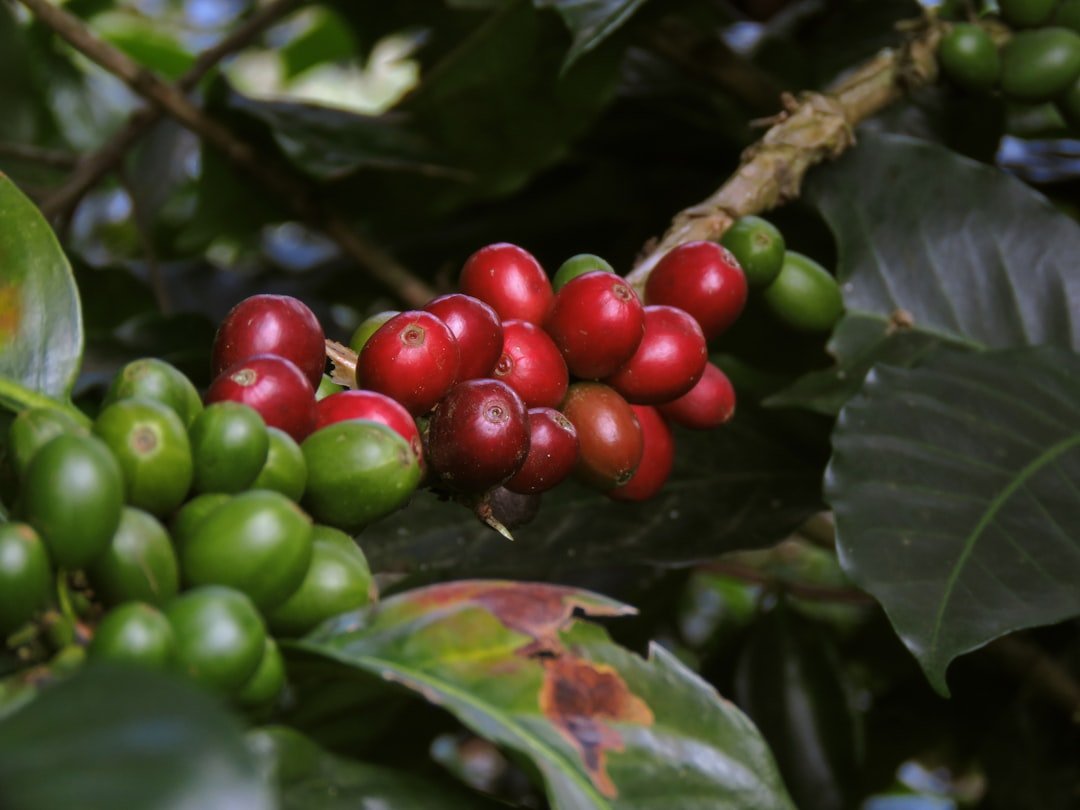
The plants: Coffee in the Quindío region grows under shade canopy at 1,600 to 2,000 metres - an altitude and climate that produces a denser, more acidic bean than lower-altitude farms. Your guide will show plants at different stages (seedlings through to mature bushes at 3 to 5 years of age) and explain why the Colombian Coffee Growers Federation’s “100% Colombian Coffee” certification matters.
The harvest: In harvest season (October to December primarily, April to June for the mitaca) you can typically join pickers for a short demonstration. Coffee picking is selective by hand - only the red and yellow ripe cherries are taken, leaving green ones to mature. Skilled pickers harvest approximately 100 kilos per day; casual visitors typically manage 2 to 3 kilos in 30 minutes.
Processing: Most small Salento farms use the washed (wet) method - the cherry skin is removed mechanically, the beans are fermented in tanks for 24 to 36 hours to remove the mucilage, then washed and dried on raised beds. You will see the full chain explained and can handle the coffee at each stage.
Roasting and cupping: The tour ends with a cupping session - the farm roasts a small batch on site (often in a hand-turned wood-fired roaster), grinds it, and prepares it multiple ways (filtered, espresso, tinto) for comparison. This is where the differences between varieties and processing methods become concrete and sensory rather than abstract.
Finca El Ocaso
Finca El Ocaso is consistently ranked as the best coffee farm tour near Salento and has been welcoming visitors for over a decade. The farm is a 30-minute walk downhill from Salento’s main plaza (or a short jeep ride) and sits at around 1,750 metres, producing primarily Caturra and Colombia variety arabica.
The tour runs approximately 90 minutes and costs around COP 35,000 to 45,000 per person as of 2026. It includes the full production chain explanation, a harvest demonstration in season, and a cupping of three to four preparations. The guides are multilingual (Spanish, English) and experienced - the explanations have depth without being academic.
Coffee from El Ocaso is available for purchase at the end of the tour: 250g bags of washed arabica run approximately COP 18,000 to 25,000 as of 2026. Worth buying - the quality-to-price ratio is excellent and the farm can vacuum-pack for travel.
How to book: Walk-in tours run most mornings; booking ahead by WhatsApp (ask your guesthouse for the current contact) is advisable on weekends. No international booking platform - the farm operates independently.
Finca La Victoria
Finca La Victoria is a larger and older farm that has operated since the early 20th century and offers a slightly more structured tour experience. The farm is located near the village of Montenegro (about 45 minutes from Salento by jeep) and is better reached as part of an organised tour from Salento than independently.
The tour covers similar content to El Ocaso but at greater scale - La Victoria’s production volume is much higher and the processing infrastructure is more visible. The cupping session is excellent. Tour prices run approximately COP 30,000 to 50,000 per person as of 2026 depending on whether you join a group or private session.
La Victoria works well for travellers who want to see commercial-scale coffee production alongside the small-farm experience of El Ocaso.
Don Elías Specialty Coffee Farm
Don Elías is a smaller operation near Salento focused on specialty and micro-lot production - smaller batches, higher-altitude trees, and more attention to experimental processing methods (natural process, honey process). The farm has built a following among specialty coffee enthusiasts who want to go deeper than the standard tour.
Tours are approximately COP 40,000 to 60,000 per person as of 2026, run by appointment only, and are bilingual. The cupping component is more advanced - comparing washed versus natural versus honey process beans from the same trees. If you work in or around specialty coffee professionally, this is the right choice.
Booking a Coffee Tour from Salento
Most Salento guesthouses can arrange farm tours directly or point you to the current contact for El Ocaso and other nearby farms. A coffee region tour from Salento or Armenia that combines multiple farms in a day costs approximately USD 35 to 70 per person and takes care of the logistics - transport, guide, and entry fees are included.
For El Ocaso specifically, the 30-minute walk from town along a clear downhill path is part of the experience - do it on foot if the weather is good.
The Quindío Coffee Landscape
Salento sits in the Quindío department, the heart of Colombia’s coffee triangle. The surrounding hillsides hold hundreds of farms ranging from subsistence-level plots to large commercial estates. Coffee has been grown here continuously since the mid-19th century when Antioquian settlers moved south through the Andes and found that the altitude, rainfall, and volcanic soil of the Quindío Valley were close to ideal.
The Paisaje Cultural Cafetero - the Coffee Cultural Landscape - was designated a UNESCO World Heritage Site in 2011, recognising the entire cultural system surrounding coffee production in the Eje Cafetero. Salento is one of several colonial towns within the site that have maintained their architectural character alongside their agricultural tradition.
What you experience on a good Salento coffee farm tour is not a museum exhibit - it is a living agricultural system that has operated for over a century and continues to shape the lives and economy of the region. The tinto (black coffee) you drink in Salento’s cafés tastes like it does because the farms that produced it are 20 minutes away.
Practical Notes
Best season: October to December (main harvest) for full picking-season immersion. Year-round for cupping and processing tours.
What to wear: Comfortable walking shoes (the paths between coffee plants are uneven), light layers (mornings at altitude can be cool), and clothing you don’t mind getting muddy if it has rained.
Photography: All farms welcome photography - the cherry colours and processing infrastructure photograph well in morning light.
Search hotels in Salento on Booking.com
Language: El Ocaso, La Victoria, and Don Elías all offer English-language tours, though booking ahead and confirming guide availability is advisable.
More on Salento: things to do in Salento and Salento travel guide.