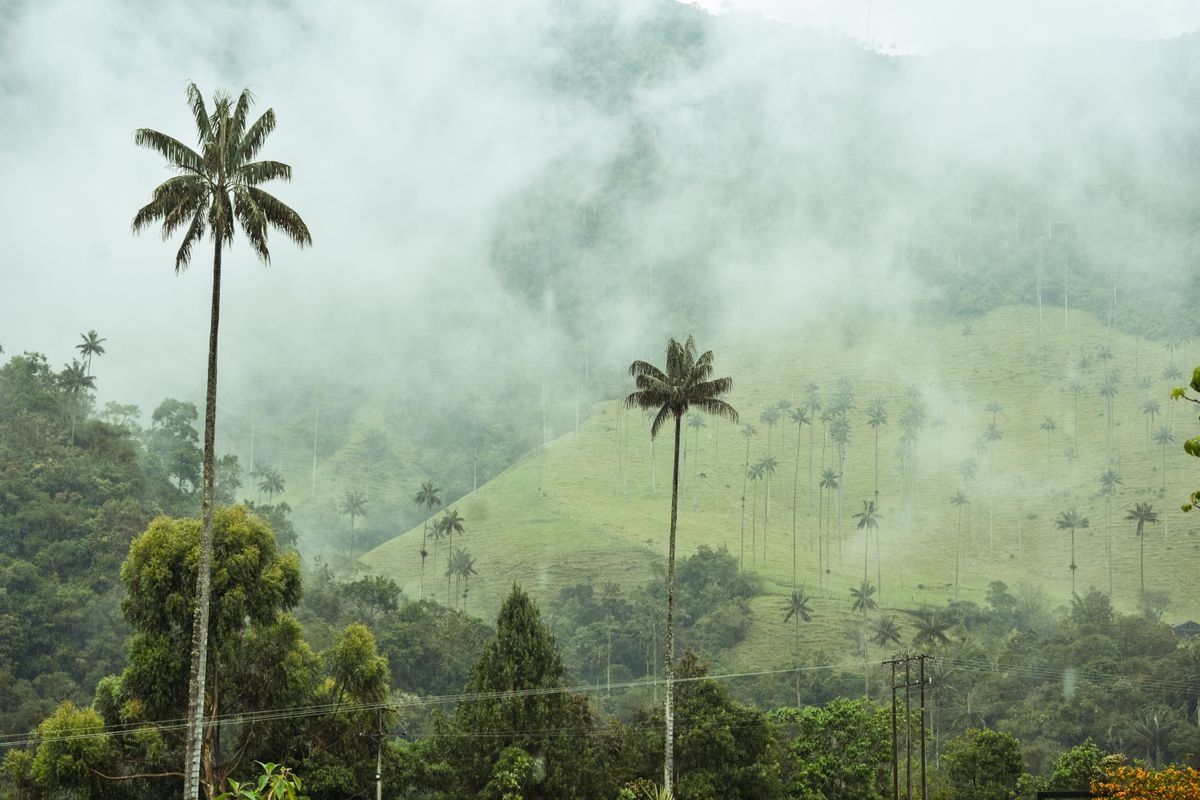
March is the quietest month of the dry-season cluster in Colombia’s Coffee Region. The Feria de Manizales (January) and New Year holiday crowds are long past, and the April rains have not yet arrived. Salento is calm, the Cocora Valley trails are accessible, and farm tours shift from harvest activity to processing and cupping focus. For travellers who want the best of dry-season conditions without the domestic tourism traffic, March delivers - with Semana Santa as the one crowd variable to plan around.
March Weather in the Coffee Region
March is the final dry-season month, with conditions that are still reliably good for hiking and outdoor activity through most of the month.
| Location | Altitude | Avg Mar Temp | Rain Days |
|---|---|---|---|
| Salento | 1,895m | 19°C | ~9 |
| Filandia | 1,750m | 20°C | ~9 |
| Armenia | 1,480m | 22°C | ~11 |
| Manizales | 2,150m | 17°C | ~12 |
| Pereira | 1,411m | 23°C | ~12 |
Rain days are slightly higher than February but the showers are still mostly brief and afternoon-focused. By late March, longer afternoon events and occasional misty mornings signal the approaching wet season. Early morning hikes and farm visits work well throughout the month. Pack a light waterproof layer.
Post-Harvest Farm Tours: Processing and Cupping Focus
By March, the main coffee harvest in the coffee triangle has largely concluded. Most farms in Quindío and Risaralda are in the post-harvest phase, focused on processing the remaining cherry, drying parchment coffee, and preparing for sale. Some farms at higher altitudes in Caldas continue picking into early March.
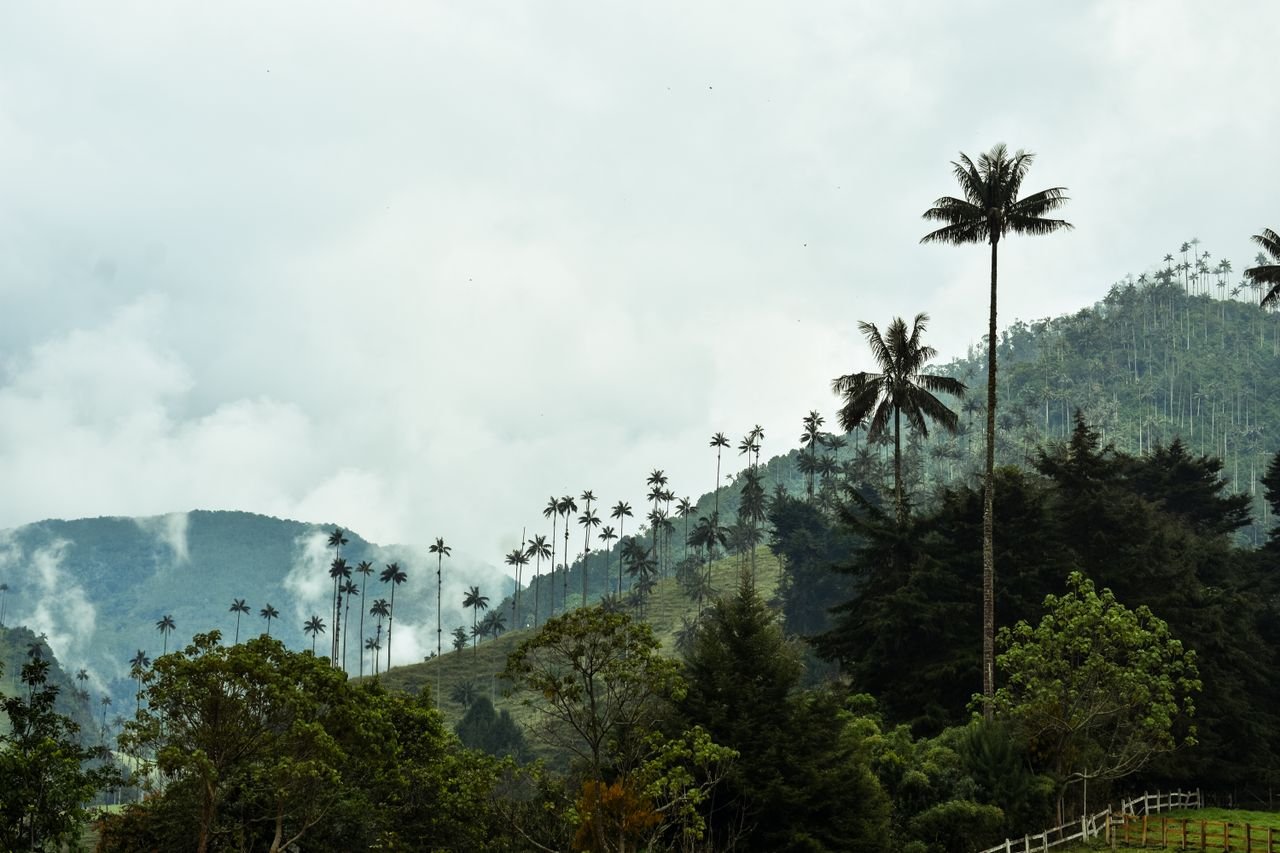 Wax palms in the Cocora Valley, Colombia’s national tree.
This gives March farm visits a different but equally interesting character. Instead of seeing active picking on steep hillside rows, you see the post-harvest cycle: coffee spread on raised drying beds, sorting and grading at the beneficio (processing station), and the roasting and cupping stages that turn cherry into cup.
Finca El Ocaso near Salento offers year-round tours with emphasis on whatever stage of the cycle is active. In March, tours typically focus on drying and cupping. Book the Finca El Ocaso tour from Salento.
Finca El Jazmín runs cupping and sensory sessions that are well-suited to March, when the cupping experience is the primary activity rather than a supplement to picking. Salento: Coffee Experience and Tasting at Finca El Jazmín.
March advantage: Farm tours are often easier to book in March than in January. Walk-in availability is common on weekdays and 24-hour booking windows are typical for most tours.
Cocora Valley in March: Last Month of Reliable Dry Trails
The Cocora Valley hike is best done in dry season, and March represents the last reliable window before the April rains make the trail significantly muddier and the cloud cover more persistent.
The standard loop (approximately 10km, four to five hours) covers the valley floor, cloud forest climb, Acaime hummingbird sanctuary, and return. March trail conditions:
- Lower sections (valley floor and bridge crossing): dry and firm
- Cloud forest section: can be damp even in dry season - waterproof boots advisable
- Morning visibility over the wax palms: excellent in early to mid-March; slightly misty by late March
Start time: Before 9am for the clearest conditions and quietest experience. The jeep service from Parque Uribe in Salento begins around 6am (COP 5,000 to COP 6,000 each way as of 2026).
Book a guided Cocora Valley tour from Salento for a structured experience with ecological context.
Semana Santa crowds: The Cocora Valley becomes one of the most visited spots in Colombia during Easter week. Jeep queues from Salento can be long and the trail itself sees heavy foot traffic. If Semana Santa falls in late March, consider visiting on Monday or Tuesday rather than the weekend.
Salento in March: The Town at Its Most Relaxed
March offers Salento at its quietest outside of Semana Santa. Weekday visits, especially mid-week in early to mid-March, are as uncrowded as the town gets during the dry season. The colourful wooden balconies of Calle Real, the artisan shops, and the coffee bars are all accessible without the navigation difficulties of the January peak.
Coffee shops: Several of Salento’s better roasters have fresh stock in March, with beans from the recently completed harvest. Café Jesús Martín and the Kaffee Haus remain the best references for espresso. Freshly processed beans from the current harvest year go on sale at many shops from March onward.
Food: The trout culture continues year-round. Trucha a la plancha (pan-fried trout) from the Quindío river tributaries is available at most restaurants on and around Calle Real for COP 30,000 to COP 40,000. Bandeja paisa and sancocho are the other staples of the local restaurant scene.
Mirador de los Andes: The lookout point above Salento reached by climbing the 253 steps from the main plaza gives views over the coffee-covered hillsides and the beginning of the Cocora Valley. Clear in most March mornings. No entry fee. The steps themselves are colourfully painted and worth the climb even if cloud reduces the view.
Filandia in March: Views at Their Best
March is a strong month for Filandia. The mirador tower over the coffee farms is best with clear skies, which early and mid-March reliably provide. Fewer visitors than even quiet Salento, and the coffee shops on the main plaza have fresh-harvest beans available from March onward.
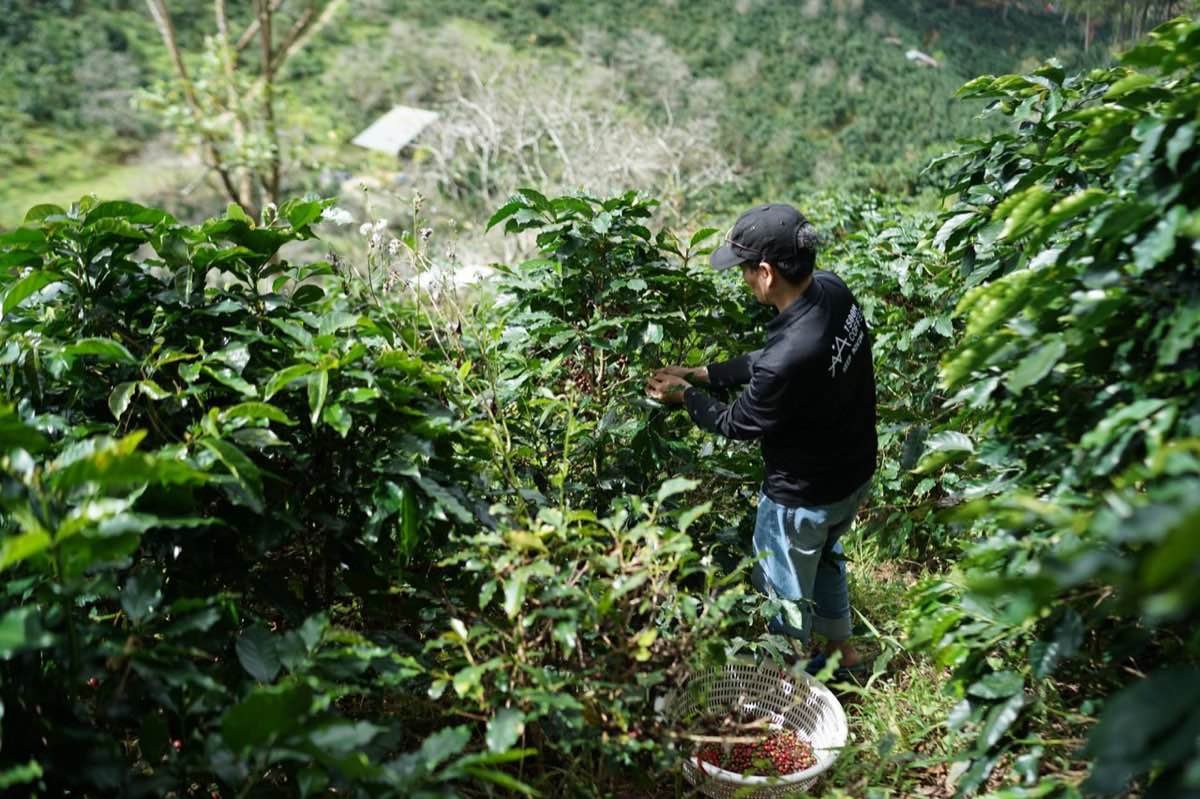 Hand-picking is still the norm on Coffee Triangle farms.
The 20km minibus from Salento (approximately 30 minutes, COP 5,000) makes Filandia an easy half-day addition. See our Filandia guide for the full breakdown.
Manizales and Pereira in March
Manizales: The city is in its quietest post-feria period in March. No major events, but the Recinto del Pensamiento botanical garden and coffee demonstration centre is worth a visit for the orchid collection and coffee history displays. The Caldas cultural scene around the university is active year-round. Search Manizales hotels on Booking.com.
Pereira: Primarily a transport hub and access point for the region’s smaller towns. Useful for its Matecaña Airport (PEI) connection to Bogotá. The city itself has a lively commercial centre but relatively little to detain visitors for more than a day. Search Pereira hotels on Booking.com.
Semana Santa in the Coffee Region: Salento Gets Crowded
When Semana Santa falls in late March, the Coffee Region becomes one of Colombia’s most popular domestic holiday destinations. Salento in particular fills to capacity - accommodation books out two to three weeks ahead and Calle Real can be difficult to navigate on the Thursday to Sunday of Easter week.
How to manage Semana Santa in the Coffee Region:
- Book accommodation immediately if Easter falls in late March
- Use Armenia or Pereira as a base and day-trip to Salento midweek
- Visit Cocora Valley on the Monday or Tuesday of Holy Week before crowds peak
- Consider Manizales or Filandia as alternatives - both receive far fewer domestic tourists during Semana Santa than Salento
Where to Stay in the Coffee Region in March
Salento: The quietest and most affordable dry-season month outside Semana Santa. Guesthouses with private rooms from COP 120,000; dorms from COP 55,000. Availability is easy on weekdays with same-day booking. Search Salento accommodation.
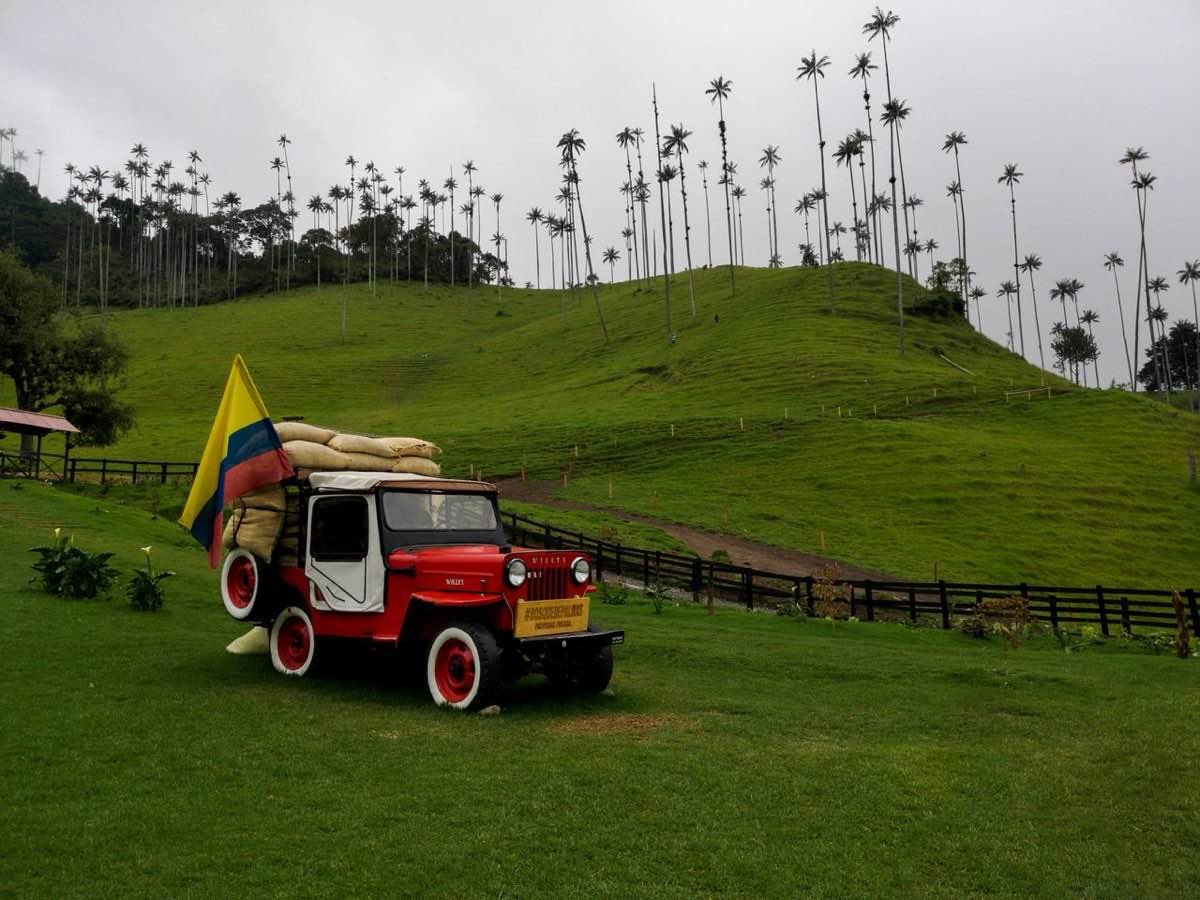 A Willys jeep in Salento, the standard ride to the valley.
Armenia: Good base for day-tripping the region in March. Hotels from approximately COP 100,000 per night with easy bus connections to Salento and Filandia. Search Armenia hotels.
Pereira: The main gateway for the coffee region. Larger hotel selection than Armenia, with good transport links. Search Pereira hotels.
Getting to the Coffee Region in March
By air: Bogotá El Dorado (BOG) to Pereira Matecaña (PEI): approximately 45 minutes. BOG to Armenia El Edén (AXM): approximately 45 minutes. March fares are among the lowest of the dry season - book two to three weeks ahead for best prices, or further ahead if Semana Santa falls in March. Book flights to Colombia.
By bus: Bogotá to Armenia takes approximately 8 to 9 hours. Bogotá to Pereira takes approximately 9 to 10 hours. Overnight buses from COP 80,000 as of 2026.
See our Coffee Region guide for full town-by-town breakdown, transport connections, and suggested itineraries.
Plan Your Trip
March is the final reliable month for dry-trail hiking in the Cocora Valley before the rains return - aim for the full circuit via the Acaime hummingbird station, which takes four to five hours. Post-harvest farm tours shift focus to cupping and processing techniques; Hacienda Venecia and La Orquídea both offer dedicated post-harvest workshops. If your trip falls over Semana Santa, Salento gets notably crowded with domestic tourists - Filandia makes a quieter alternative base. Book Salento lodging at least a month ahead if Easter week is involved.
✈️ Book your flights to Colombia 🛡️ Get travel insurance 📱 Stay connected with an eSIM 🏨 Find hotels in Salento