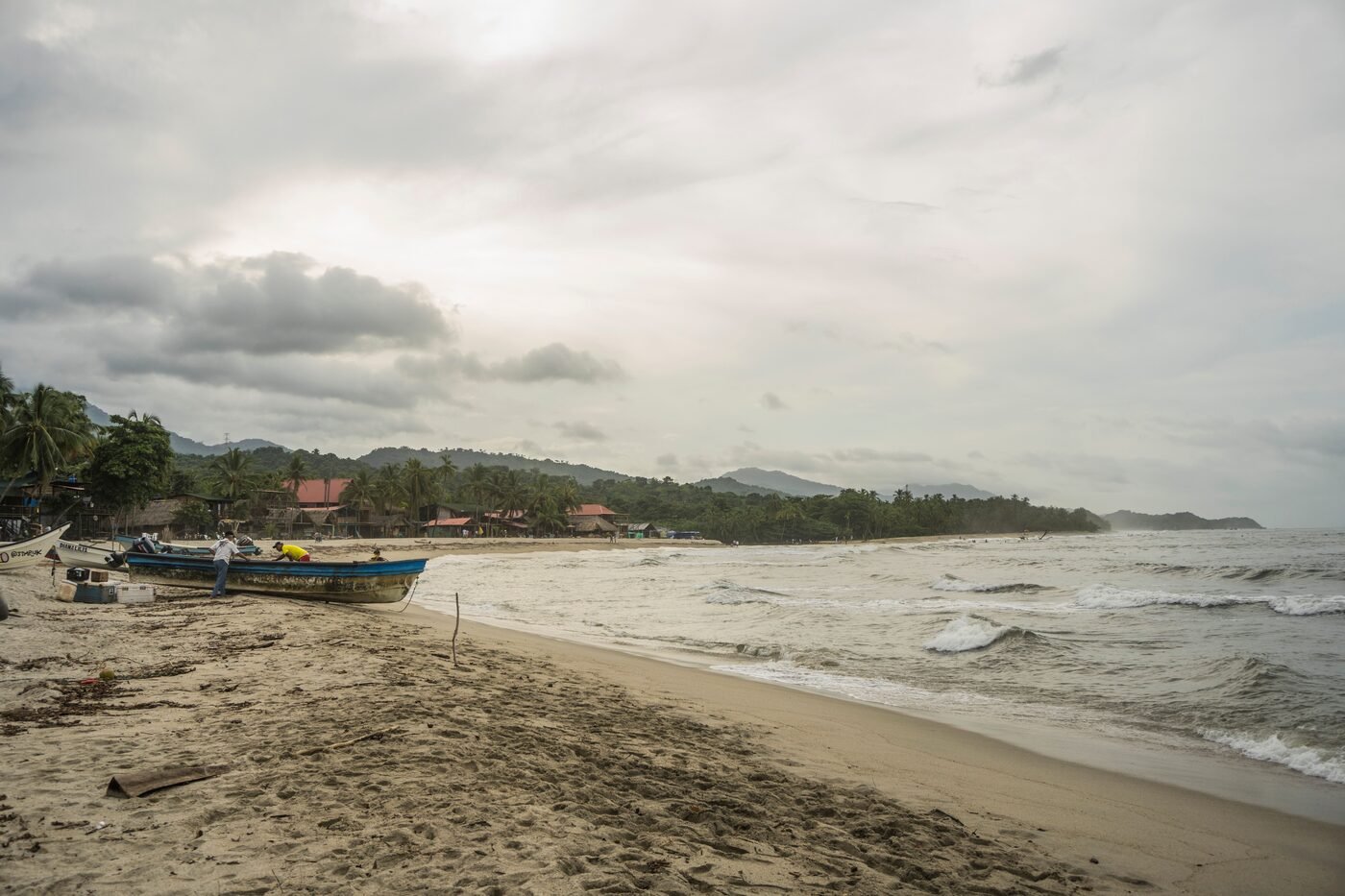
Palomino’s accommodation scene matches the village’s character: low-key, nature-forward, and priced for travellers who prioritise beach access over hotel amenities. The options cluster on the beach-side stretch along the access path from the highway, with several properties set in palm groves between the road and the shore. There are no high-rise hotels, no room service, and no swimming pools that compete with the river or the sea.
What Palomino does have is an unusually good range of budget and mid-range properties for a village of its size, several of which have been operating long enough to iron out their rough edges.
Hammock Camps and Budget Hostels
Palomino’s cheapest accommodation is in hammocks - either in communal areas under palm-thatch roofs or in individual hammock pods strung between trees in the garden. Several hostels and eco-hostels on the beach side offer hammock sleeping from approximately COP 20,000 to 35,000 per person, making Palomino one of the cheapest beach destinations in Colombia.
La Sirena is one of the most social hostels on the beach strip, with hammock areas, dorm beds, and a few private rooms. The communal kitchen, beach volleyball area, and regular fire-pit evenings make it popular with the backpacker crowd. Hammocks from approximately COP 25,000; dorms from approximately COP 40,000; private rooms from approximately COP 120,000 as of 2026.
Hostal Arrecife is a quieter option slightly further from the main beach strip with hammocks and basic private rooms in a garden setting. Rates from approximately COP 30,000 for hammock sleeping, COP 100,000 for private rooms. Good for travellers who want budget prices without the social hostel atmosphere.
Mid-Range Eco-Lodges and Bungalows
The most popular properties in Palomino are in the mid-range eco-lodge category - bungalows or cabins set in garden or palm grove settings, typically with private bathrooms, ceiling fans or air conditioning, and a restaurant or communal kitchen on site. This is the category that gets Palomino on most Caribbean coast recommendation lists.
El Matuy is the closest thing Palomino has to a boutique property - a small collection of raised wooden bungalows in a lush garden setting, with a strong environmental ethos and well-considered shared spaces. The property runs a river tubing operation, yoga classes, and can arrange Sierra Nevada day hikes. Bungalows from approximately COP 200,000 to 320,000 per night as of 2026. One of the most consistently well-reviewed properties in the village.
Dreamer Hostel (a sister property to the Santa Marta Dreamer) offers bungalows and shared dorms in a beach-adjacent garden. Well-run and clean, with a tour desk and breakfast available. Bungalows from approximately COP 180,000; dorms from approximately COP 55,000. An efficient option for travellers who want reliable quality without the boutique price tag.
Finca Escondida is a jungle-garden property set back slightly from the beach, popular with yoga and wellness visitors. The property offers multi-day yoga retreat packages, hammock and bungalow accommodation, and vegetarian-friendly meals. Bungalows from approximately COP 150,000 to 280,000 per night; package deals for multi-night retreat stays offer better value. Best for travellers who want a retreat atmosphere rather than a party beach vibe.
Inna Palomino is a mid-range property with comfortable rooms, air conditioning, and a relaxed communal area. Rooms from approximately COP 160,000 to 250,000 per night as of 2026. Reliable infrastructure and a central location make it a good base for day activities.
Upper-Range Properties
Palomino’s top-end accommodation is still eco-lodge in character rather than resort. A few properties on the village edge or in the Sierra foothills offer private villas or standalone cabins with higher service standards.
Reserva Playa Koralia is a boutique eco-lodge north of the main Palomino beach strip, with solar power, a private beach section, and individually designed bungalows in a forest setting. Rates from approximately COP 380,000 to 650,000 per night as of 2026. Meals are available on site using locally sourced ingredients; the property has a strong sustainability focus and limits guest numbers to maintain the atmosphere. Pre-booking is essential - this is the property that fills first in peak season.
Practical Notes
Generators and electricity: Several beach-side properties in Palomino rely on generators rather than the grid, particularly at the northern end of the beach strip. This means electricity available for limited hours in the evening. Verify power supply if air conditioning is important to you - some properties have AC units that cannot run on generator power.
Rain and flooding: Palomino receives more rainfall than the Cartagena coast. The area around the river mouth can flood slightly after heavy rain. Properties on higher ground within the beach strip (away from the river outlet) are better choices during the October to November rainy season.
Mototaxis: Getting from the highway to the beach and between properties costs COP 2,000 to 4,000 per trip by mototaxi. Most properties are within walking distance of each other once on the beach-side path, but the highway entrance is 2 km from the beach.
Departure transport: Buses and minivans back to Santa Marta pass the highway turnoff throughout the day until approximately 6pm. After that, getting out requires a private taxi (approximately COP 120,000 to 150,000 to Santa Marta).
Search hotels in Palomino on Booking.com
For beach activities, river tubing, and Sierra Nevada day hikes, see our things to do in Palomino guide. For transport and broader Caribbean coast planning, the Palomino travel guide covers the full picture.