Explore
Colombia's Islands
San Andrés is a duty-free Caribbean island with a barrier reef and a genuinely distinct Creole culture shaped by its English-speaking Raizal community. Providencia, 90 km north, is smaller, harder to reach, and has some of the best coral diving in the Western Caribbean. The Rosario Islands near Cartagena are a day-trip option with snorkelling, though visibility varies. December to April is the dry season across Colombia's Caribbean coast. Each guide covers flight costs from Bogotá, reef conditions by season, and what to expect on the ground.
San Andrés sits 775 kilometres north of the Colombian mainland and carries the cultural fingerprint of its Raizal community - English-speaking descendants of English Puritans, enslaved Africans, and Dutch settlers who arrived long before Spanish Colombia. The island's reef system, the Seaflower Biosphere Reserve, encompasses a barrier reef and several atolls protecting some of the clearest water in the Western Caribbean. Johnny Cay, a tiny cay 15 minutes from San Andrés town by boat, has a famous beach party scene on Sundays; the boat costs approximately COP 20,000–25,000 return. Diving with operators such as Buzos del Caribe or Sharky Divers runs COP 100,000–160,000 per fun dive. The island is duty-free: rum, electronics, and perfume are significantly cheaper than on the mainland, and shops in the town centre are geared toward Colombian domestic tourists who arrive specifically to shop.
Providencia (Isla de Providencia) is 90 kilometres north of San Andrés and shares its history but not its pace. The island has no duty-free shopping, fewer than 6,000 residents, and a coral reef system - Old Providence McBean Lagoon National Natural Park - widely regarded as one of the top ten dive sites in the Western Caribbean for hard coral coverage and reef fish diversity. Bottom House and Felipe's Place are well-regarded local dive operators. Access is by small propeller aircraft from San Andrés (approximately 30 minutes; roughly USD 50–80 return); there is no commercial flight from mainland Colombia. Providencia was heavily damaged by Hurricane Iota in November 2020 but has substantially rebuilt; verify current lodging options before planning. A handful of guesthouses in Santa Isabel start from COP 100,000–180,000 per night.
The Rosario Islands (Islas del Rosario) form a coral archipelago 35 kilometres southwest of Cartagena and are the most accessible Colombian island experience for mainland visitors. The standard day-trip departs from Cartagena's Muelle Turístico in the morning (COP 80,000–120,000 return, including a stop at the oceanarium and snorkelling off Playa Blanca on Isla Barú). Visibility in the inner lagoon can be limited during high-sediment seasons, so serious snorkellers should check conditions before booking. A handful of overnight eco-lodges operate on the islands for travellers who want more than a day trip.
Isla Barú - technically a peninsula connected to the mainland by a narrow isthmus - has Playa Blanca, the stretch of white sand most associated with Cartagena beach days. Lanchas from Cartagena's Muelle de la Bodeguita take around 45 minutes (COP 30,000–40,000 each way). The beach gets crowded on weekends with day-trippers; arriving on a weekday or staying overnight at one of the hammock-equipped beach camps gives a better experience. Vendors are persistent but prices for food and drinks are fixed by the beach association, around COP 12,000–18,000 for a plate of fried fish.
Seasons: December to April is the dry season for Colombia's Caribbean islands - the best window for diving visibility, beach weather, and calm seas. May brings heavier swells. August and September can be rough around San Andrés and Providencia. The shoulder months of November and May offer lower accommodation rates with only moderate weather trade-offs. Colombian national holidays (particularly Semana Santa and the July long weekend) spike San Andrés hotel prices significantly - book well ahead or avoid those dates.
Caribbean Sea
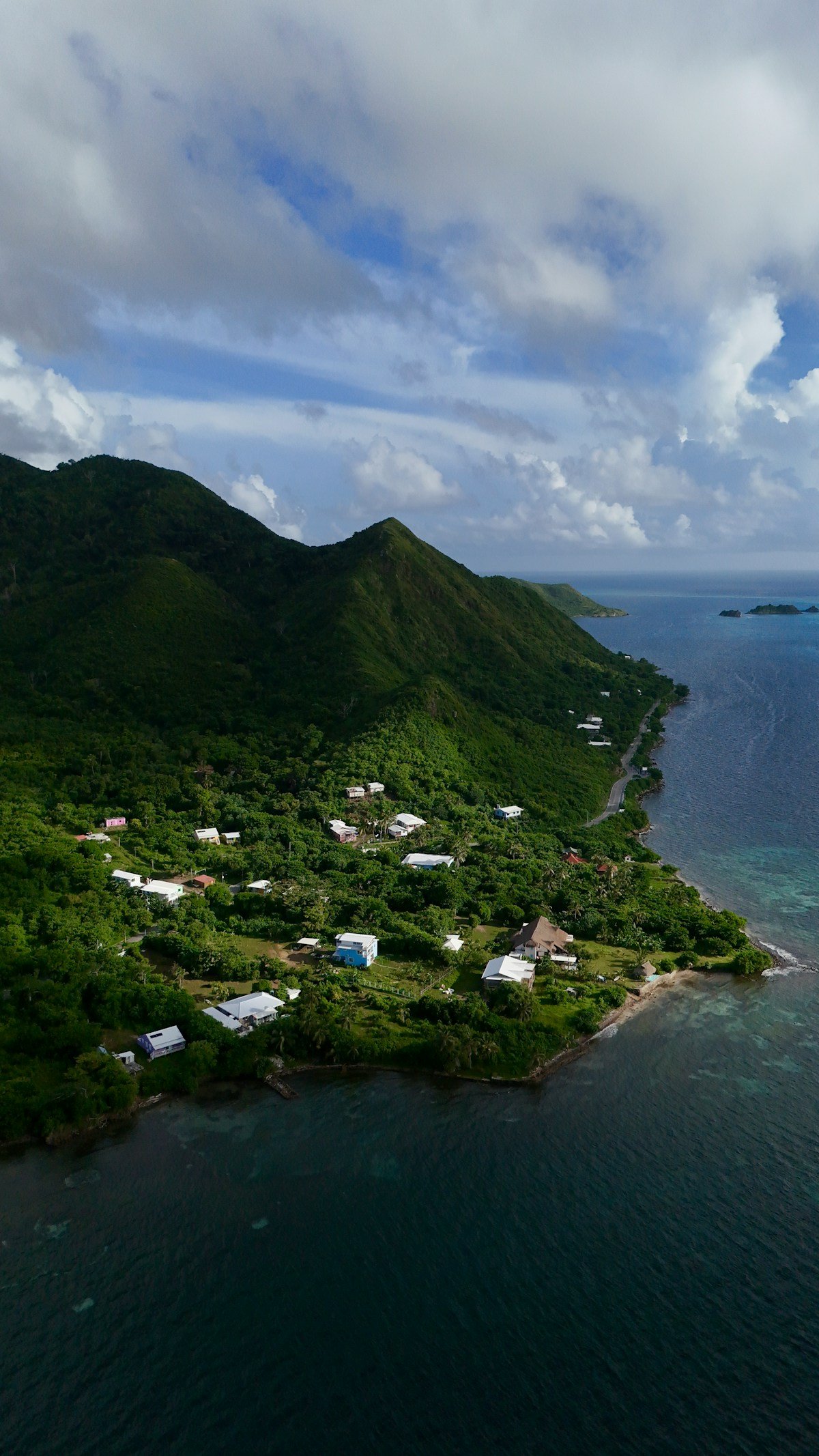
Providencia
Providencia Island: Colombia's unspoiled Caribbean sanctuary, home to the world's third-largest barrier reef, Raizal culture, and near-zero mass tourism.
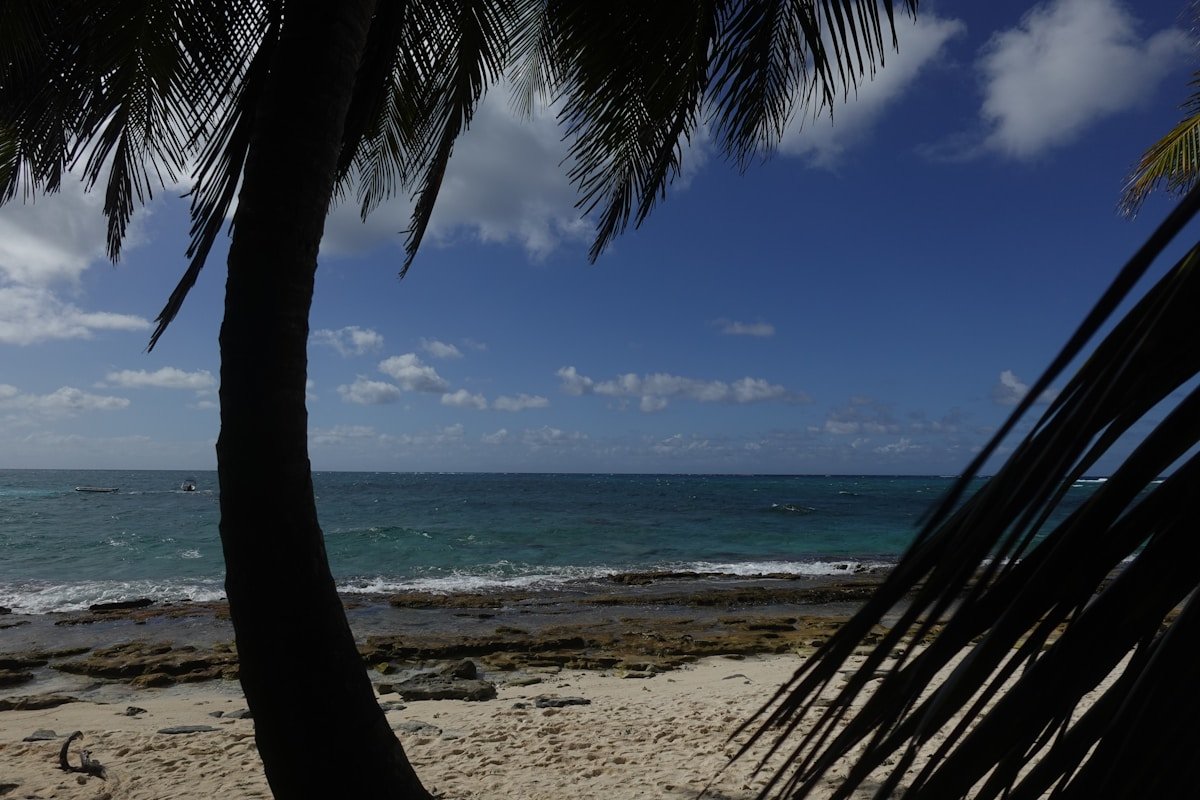
San Andres
Guide to San Andrés Island: Colombia's Caribbean gem with the Sea of Seven Colors, excellent diving, and duty-free shopping.
Coastal Islands
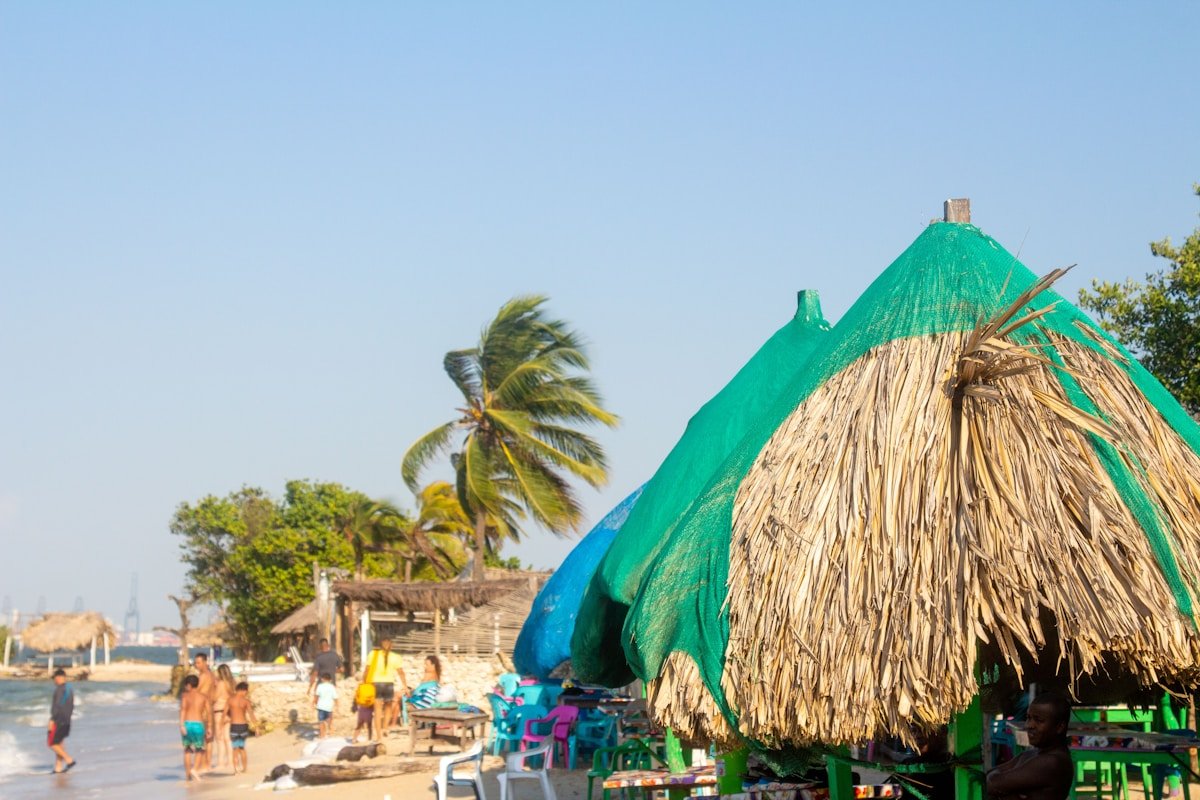
Baru
Guide to Barú: Playa Blanca, mangrove channels, day trips from Cartagena, and overnight stays on Colombia's quieter Caribbean peninsula.
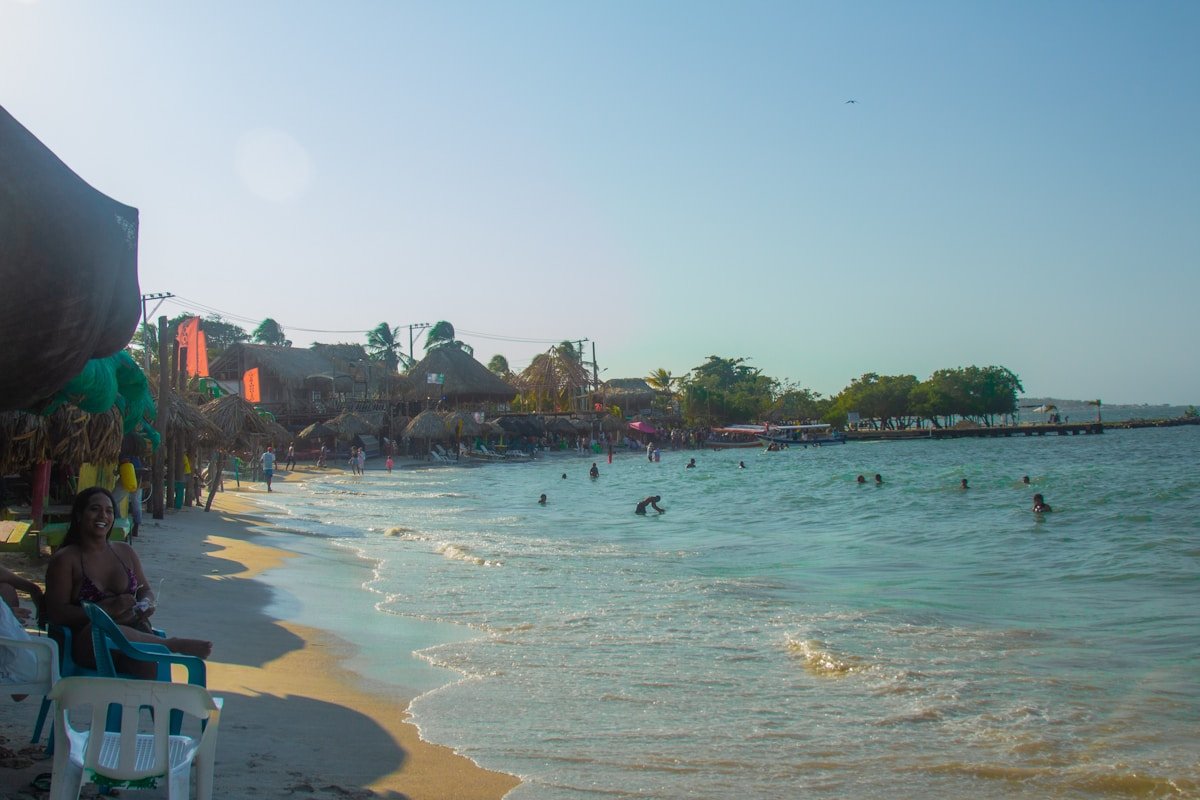
Rosario Islands
Twenty-seven coral islands 35 km from Cartagena: Colombia's clearest accessible reefs for snorkelling and diving, with overnight stays on Isla Grande.
Explore Colombia's coast