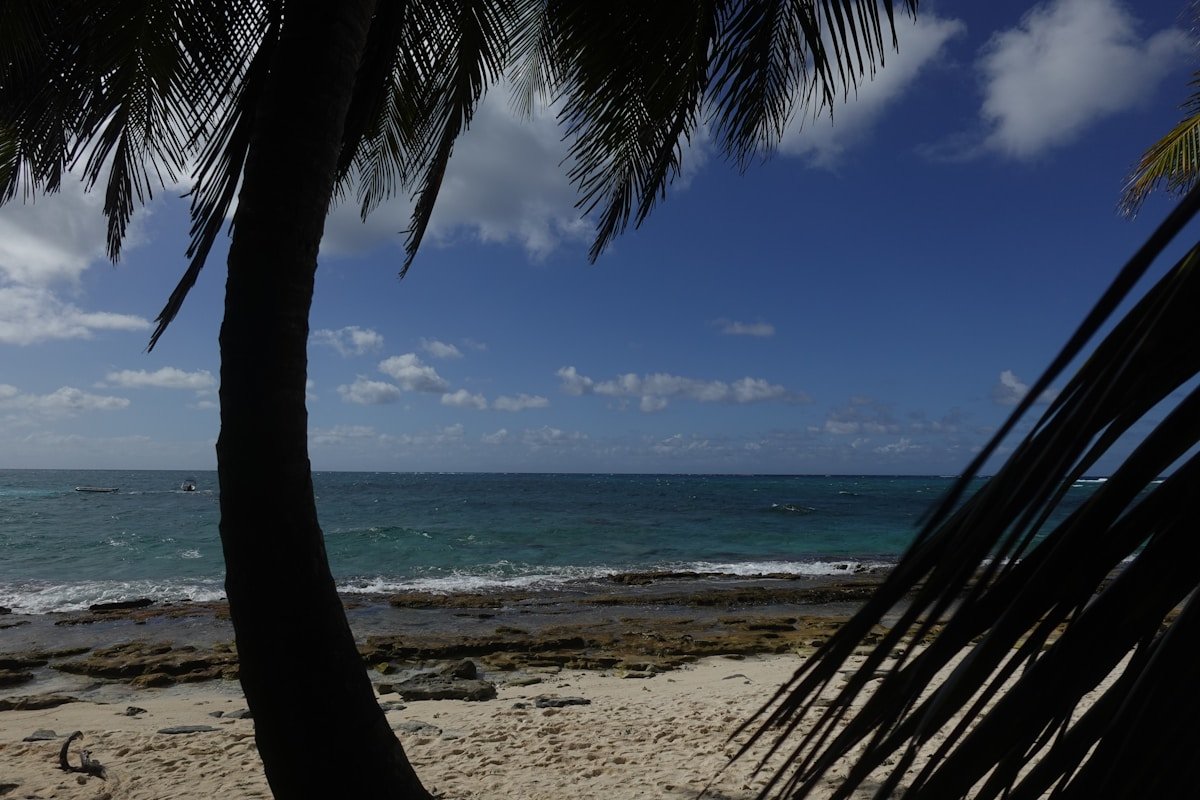
San Andrés Island: Colombia's Caribbean Duty-Free Paradise
Guide to San Andrés Island: Colombia's Caribbean gem with the Sea of Seven Colors, excellent diving, and duty-free shopping.
Guides for San Andres
San Andrés is the Caribbean island Colombia doesn’t always advertise loudly, yet it consistently draws hundreds of thousands of visitors a year. Located 750 km northwest of the Colombian mainland - closer to Nicaragua than to Bogotá - it sits in one of the most photogenic stretches of the western Caribbean, surrounded by a lagoon system the locals call the Sea of Seven Colors (Mar de Siete Colores). The name is hyperbole only in the sense that the actual count exceeds seven.
The island measures roughly 13 km by 3 km, which makes it small enough to circumnavigate by golf cart in two hours but large enough to have distinct neighbourhoods, a functioning town centre, and enough beaches that you can avoid the crowds if you know where to look.
What Makes San Andrés Different
San Andrés operates as a special economic zone (SZFE), which means goods from electronics to rum enter duty-free. This explains the shopping district around the town centre, and also why Colombian families from the mainland make up a significant portion of visitors - the island is a popular long-weekend destination for Bogotá, Medellín, and Cali residents looking for sun without leaving Colombia.
The indigenous Raizal people - descendants of English and African settlers who arrived before Colombian sovereignty - are the cultural backbone of the island. The Raizal community maintains a creole language (San Andrés Creole, also called Bende) and a distinct identity separate from mainland Colombian culture. Reggae and calypso play from storefronts. Baptist churches sit alongside Catholic ones. The local food shows Afro-Caribbean influences: rondón (a coconut milk stew with fish, breadfruit, and yuca) is the dish most worth seeking out.
Getting to San Andrés
All access is by air. Gustavo Rojas Pinilla International Airport (ADZ) receives direct flights from Bogotá (approximately 2 hours), Medellín, Cali, and Cartagena. Avianca and LATAM both operate this route; budget carrier Wingo often has the cheapest fares if booked in advance.
Tourist card (Tarjeta de Turismo): All visitors - including Colombians - must purchase a tourist card on arrival. Cost: approximately COP 113,000 as of 2026. This is separate from flight costs and is paid at the airport upon arrival.
Flights from Bogotá book out quickly around Colombian holiday weekends. The December–January and June–July windows see the heaviest demand; booking 6–8 weeks ahead for these periods is prudent.
The Sea of Seven Colors
The lagoon between San Andrés, Johnny Cay, Haynes Cay, and Acuario creates the colour gradient that makes every postcard of the island recognisable. The shallow sand causes water to appear white-turquoise near shore; as depth increases, the colour transitions through green, teal, blue, and deep cobalt. On a clear day, you can watch the gradient shift as your boat crosses from one zone to the next.
The best way to experience this is by boat tour - most operators at the Puerto Nuevo pier run circuits that stop at Johnny Cay, Acuario (a shallow snorkelling zone with nurse sharks and stingrays), and Haynes Cay for approximately COP 60,000–90,000 per person. The full circuit takes three to four hours.
Beaches on the Island
North End Beach (Playa Norte): The main beach strip in the town centre, lined with bars, restaurants, and rental chairs. Convenient but crowded on weekends and Colombian holidays. Best early morning before the daytime crowds arrive.
West View: On the island’s western shore, this is the local dive and snorkel hub. There’s a small beach, a coral reef visible from the surface, and a dive shop. Less touristy than the north end, and the water is calmer. Our San Andrés diving guide covers operators, certifications needed, and the best underwater sites.
Sound Bay (Bahía Sonora): A quieter bay on the southwest shore, popular with Raizal families on weekends. Decent snorkelling and much less commercial than the north end.
Rocky Cay: A tiny coral islet reached by a 5-minute water taxi from the main beach area. The water around it is clear and shallow enough to walk out to the reef.
Golf Carts and Getting Around
San Andrés has a circumferential road (the circunvalar) running around the island. Golf carts are the recommended way to explore - rental costs approximately COP 100,000–150,000 for a full day, and the entire loop takes about 2 hours at a relaxed pace. Motorbike rentals (approximately COP 80,000/day) and bicycles (COP 30,000/day) are also available in the town centre. Taxis operate within town for short distances, typically COP 5,000–10,000 per trip.
When to Visit
December to April: Dry season - the optimal window. Clear skies, calm seas, good water visibility. Busiest period for tourism; book accommodation well in advance for December and January.
Search hotels in San Andres on Booking.com
For a full overview of hotels and resorts by area, see our Where to Stay in San Andres guide.
May to October: More rain, with September and October being the wettest months. Prices drop 20–30% at most hotels. The island is significantly less crowded outside holiday weekends.
Avoid: Semana Santa (Easter week) and New Year’s week - the island packs out entirely and prices reach their annual peak.
Book a Dive or Snorkel Trip
Scuba diving and snorkelling experiences in San Andrés can be booked in advance with hotel pick-up. Two verified options:
| Activity | From Price | |
|---|---|---|
| San Andrés: SCUBA Diving Experience with Hotel Pickup | from $65 | Book |
| San Andrés: Guided Scuba Diving Trip with Hotel Transfer | from $65 | Book |
Where to Stay in San Andrés
San Andrés has a genuine hotel market. The main accommodation zones are the North End Beach strip (most tourist infrastructure, direct beach access), the quieter west coast (better for diving, requires a golf cart for town trips), and the hilly interior at La Loma (the most local option, off the tourist circuit). Most first-time visitors base themselves near North End.
Budget (COP 80,000–180,000 per night)
Hostel Portobelo is the closest San Andrés comes to a traditional backpacker hostel. Dorms run from approximately COP 50,000 per person; private rooms from COP 120,000. Located a short walk from the centre with a communal kitchen and social area. Often fully booked during Colombian holiday weekends - reserve ahead.
Posada Villa Isabela is a family-run guesthouse in the residential area behind North End Beach. Simple rooms with air conditioning, a 10-minute walk from the main beach strip. Approximately COP 90,000–130,000 for a double as of 2026.
Casa Wayra Guesthouse is near the airport area with basic clean rooms at COP 80,000–100,000 per double. Cheaper than the beachfront zone without being far from it. Breakfast available at additional charge.
Mid-Range (COP 200,000–450,000 per night)
Hotel Lord Pierre is one of the better-value mid-range options on the island, with a pool and rooms facing the sea or garden on the seafront road near North End Beach. Approximately COP 250,000–380,000 for a double as of 2026. Popular with Colombian families; book several weeks ahead for peak periods.
Hotel Isleño sits near the town centre, walkable to the main beach and pier. Reliable air conditioning and a decent breakfast spread. COP 230,000–320,000 per double.
Posada Nativa is operated by a Raizal family in the La Loma area - the most culturally authentic stay on the island. Conversations with the hosts about Raizal history, food, and the island’s distinct identity are part of the experience. COP 200,000–280,000 double; a golf cart is needed for beach access.
Luxury (COP 500,000+ per night)
Hotel Decameron Isleño occupies a significant stretch of beach near the main tourist strip. All meals and drinks are included in the rate: approximately COP 500,000–850,000 per person per night all-inclusive as of 2026, with considerable variation by season. Best suited to travellers who want everything on-site without organising meals or activities separately.
Royal Decameron Aquarium is a second Decameron all-inclusive property on the western coast, closer to the West View diving area. COP 550,000–900,000 per person per night all-inclusive.
Hotel Sol Caribe Centro is a larger beachfront property with a pool and sea-facing rooms positioned directly on North End Beach strip. COP 450,000–700,000 per double for a sea-view room.
Book well in advance for December–January, Semana Santa, and Colombian long weekends - prices can double during peak periods. For a full breakdown including location trade-offs and booking tips, see our San Andrés where to stay guide.
Search hotels in San Andrés on Booking.com
Practical Notes
- Carrying cash: ATMs are available in El Centro but can run out during peak periods. Withdraw before arriving on busy weekends.
- Water: Tap water on the island is not reliably potable. Stick to bottled or filtered.
- Reef-safe sunscreen: The Marine Protected Area designation around the island means that standard chemical sunscreens (oxybenzone-based) are harmful to the coral ecosystem. Bring zinc oxide alternatives.
- Tourist card: Must be purchased on arrival even if you’re Colombian - it’s a requirement specific to this special economic zone.
- Entry quota: San Andrés restricts the total number of visitors that can be present at any time. In practice this rarely affects tourists arriving by air, but it’s worth knowing the cap exists.
Book an experience
Top experiences in San Andres
Explore the best tours and activities in San Andres - instant confirmation, free cancellation on most bookings.