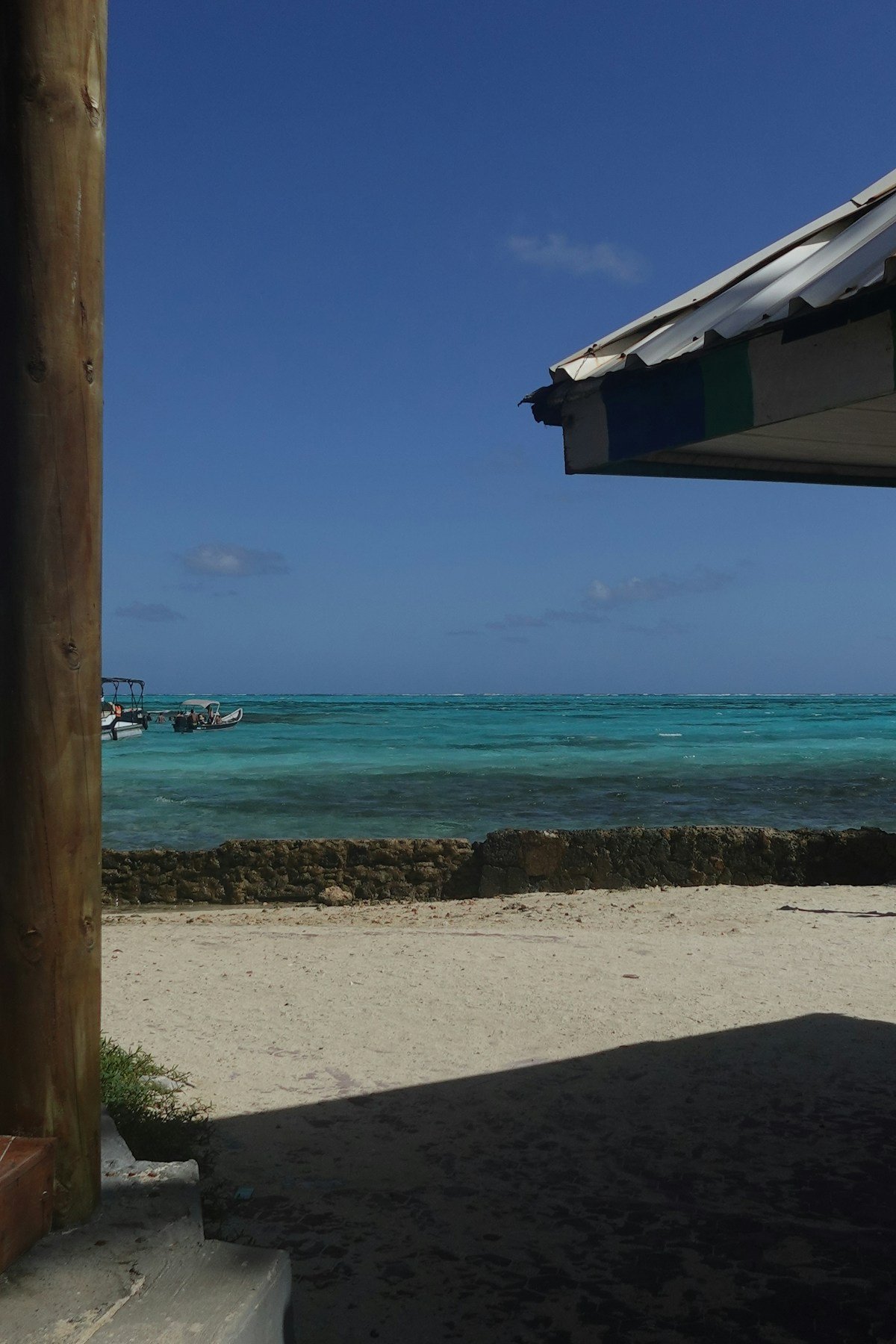
San Andrés sits within the Seaflower Biosphere Reserve, one of the largest coral reef complexes in the western hemisphere. The Sea of Seven Colors - named for the spectrum of turquoise, aquamarine, and cobalt blue produced by the reef structure - is the defining feature of the island and its main attraction for snorkellers. Water clarity is exceptional by Caribbean standards, and you don’t need scuba certification or significant budget to access some of the best marine life in Colombia.
Why Snorkelling Here Is Exceptional
The reef system around San Andrés is old and largely intact. Coral coverage is significantly higher than many over-dived Caribbean destinations. On a standard boat circuit to Acuario you’ll encounter starfish, green turtles, eagle rays, nurse sharks resting on the bottom, and dense schools of reef fish - all in water between 1 and 8 metres deep, without going anywhere near the wall dives accessible to scuba divers.
The water temperature stays around 27–29°C year-round. A rash guard is sufficient for most snorkellers; a wetsuit is unnecessary.
West View - Shore Snorkelling, No Tour Required
West View, on the island’s sheltered western coast roughly 7 km south of town, is the best shore-entry snorkelling spot on San Andrés. The reef begins just beyond a rocky shoreline entry - within two or three kicks you’re over coral formations with parrotfish, surgeonfish, queen angelfish, and the occasional barracuda cruising the outer edge.
Getting there: Scooters rent for approximately COP 60,000–80,000 per day from operators near Spratt Bight - the ride takes about 15 minutes along the circumferential road. Shared taxis (around COP 5,000–8,000) also pass West View. A registered GOLF cart rental runs approximately COP 100,000–130,000 per day.
Equipment rental on site: Mask, snorkel, and fin sets are available at West View itself for approximately COP 20,000–30,000 per session. Quality varies between vendors; bringing your own gear if you have it avoids the variable. Lockers are available for bags (around COP 5,000).
Dive operators nearby: West View is where most of San Andrés’s PADI dive centres cluster. Reef divers and Banda Sea Dive (two of the most established operators as of 2026) are both within a few hundred metres.
Conditions note: West View is less protected than the northern beaches. In rough weather (typically August–October), the entry becomes slippery and visibility falls. Call operators or ask at your hotel before making the journey.
Acuario - The Signature Snorkel Stop
Acuario is a raised sandbar between Haynes Cay and the main island where the water achieves the most intense colour the Sea of Seven Colors is named for - an almost impossibly vivid blue-green at the edges fading to deep blue beyond the reef shelf. It’s the visual centrepiece of the standard boat circuit and the best snorkelling stop on that circuit, with coral heads, small reef fish, and starfish visible on the sandy bottom in 1–4 metres of water.
How to access: Acuario is included in virtually every shared Sea of Seven Colors boat tour departing Puerto Nuevo pier on the island’s northern coast. Shared tours: approximately COP 60,000–90,000 per person, including transport to Johnny Cay, Acuario, and typically Haynes Cay as a lunch stop. Duration: roughly 3–4 hours on the water.
Private charters: Private boat hire from Puerto Nuevo pier runs approximately COP 300,000–500,000 for the boat (capacity 4–6 people) for a half-day circuit. Worth considering for groups wanting more time at each stop or earlier departure.
Operators: Tours depart from Puerto Nuevo pier from roughly 9am. Multiple operators congregate at the pier - El Acuario Tours and San Andrés Boat Tours are frequently mentioned by travellers as reliable options as of 2026. No advance booking is required for shared tours outside school holidays; during peak season (December–January, June–July) book the day before.
Johnny Cay - Scenery First, Snorkelling Second
Johnny Cay, the palm-fringed coral cay 1.5 km off the north coast, is included on most boat circuits alongside Acuario. The snorkelling off Johnny Cay’s southern shore is decent - parrotfish, small reef fish, and occasional rays - but it’s clearly secondary to the spectacle of the cay itself. Most visitors spend their time on the sand rather than in the water here.
Snorkelling at Johnny Cay: The cay has no equipment rental. Bring gear from West View rentals or bring your own. The best entry is on the sheltered southern side facing the island; the northern side faces open water and can have surge.
Combined boat circuit: The standard shared tour (COP 60,000–90,000) typically covers Johnny Cay, Acuario, and Haynes Cay in one circuit. Three hours allows roughly 45 minutes at each stop - enough for a complete snorkel session and time on the sand.
Entry note: A conservation fee of approximately COP 10,000–20,000 has periodically been collected by park rangers on arrival at Johnny Cay. Confirm at the pier before departure.
Haynes Cay - Lunch and Reef
Haynes Cay is the usual lunch stop on the boat circuit. Several seafood restaurants operate from pontoons and piers over the water (grilled fish approximately COP 35,000–60,000, lobster approximately COP 80,000–120,000 as of 2026). The snorkelling from the pier edges is casual rather than spectacular - the reef here has been impacted by boat traffic - but it’s a pleasant way to spend an hour between Acuario and the return crossing.
Independent Diving Operators in San Andrés
For those who want to move beyond snorkelling into scuba, San Andrés has several PADI-certified operators clustered around West View and the northern coast.
Banda Sea Dive: One of the most established on the island, with two boats and a full equipment rental fleet. Discovery dives (no certification required): approximately COP 180,000–220,000. Two-tank dives for certified divers: approximately COP 250,000–320,000 as of 2026.
Reef Divers: Operates from West View, with access to the outer barrier wall dives that go beyond snorkelling range. Known for small group sizes (maximum 4–6 per guide).
Karibik Diver: Based in town, offers PADI Open Water courses (approximately COP 800,000–1,000,000) and fun dives. More logistically accessible for visitors staying in the northern hotel zone.
Outer barrier wall dives (beyond snorkelling depth, accessed by scuba) include sites like El Cañon, a dramatic wall dropping from 12 metres to beyond 30, and La Pirámide, a seamount with regular hammerhead shark sightings in the right season.
Sea of Seven Colors: What Creates the Colour
The distinctive colour spectrum of San Andrés’s water is a product of reef structure and depth variation. In shallow areas over white sand, the water appears pale turquoise. Over coral heads it shifts to deeper blue-green. At the reef edge where depth increases sharply, it drops to cobalt. The combination - visible from boats on the crossing to the cays - explains why this stretch has been marketing itself as the Sea of Seven Colors since well before that became a tourism phrase.
The colours are most vivid between 10am and 2pm when the sun is overhead. Morning light (before 9am) produces a flatter, softer palette. Overcast days reduce the contrast significantly.
Practical Tips
What to bring: Reef-safe mineral sunscreen (mandatory for the reef), rash guard (sun protection more than warmth), snorkel gear if you have it (West View rental is adequate as backup), waterproof bag for phone and valuables.
Best months: December through April. Calm conditions, excellent visibility, lighter tourist pressure than school holiday periods. August and September are roughest - outer reef boat tours occasionally cancel.
Children: Acuario’s 1–4 metre depth range suits children comfortable with masks. West View’s rocky entry is not ideal for young children or non-swimmers.
Tipping: Boat tour guides work on tips in addition to the tour price. COP 10,000–20,000 per person is appropriate for a good guide.
Seasickness: The crossing to the cays (15–20 minutes each way) is generally calm but can have chop in September–October. If prone to motion sickness, take medication before departure rather than after boarding.
Book a Snorkel or Dive Trip
Verified dive and snorkel experiences in San Andrés with hotel pick-up, free cancellation, and English-speaking guides:
| Activity | From Price | |
|---|---|---|
| San Andrés: SCUBA Diving Experience with Hotel Pickup | from $65 | Book |
| San Andrés: Guided Scuba Diving Trip with Hotel Transfer | from $65 | Book |
For accommodation on the island: Search hotels in San Andrés on Booking.com