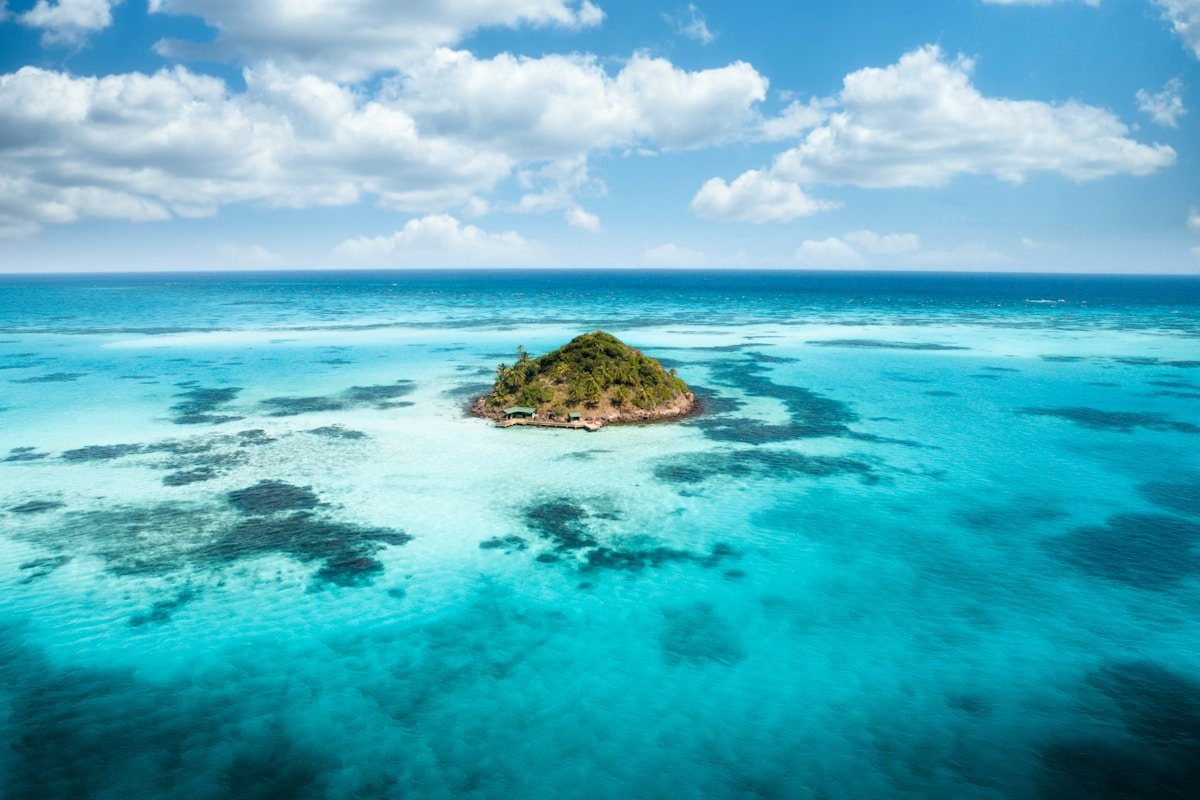
San Andrés Island is 750 km from the Colombian mainland, closer to Nicaragua than to Bogotá. That distance is the whole point - the Caribbean seclusion that defines the island experience - but it means flying is the only practical way in. The process is straightforward, the entry requirements are light, and the flight itself is short. What trips people up is the tourist card: a mandatory fee specific to San Andrés that is separate from regular Colombian entry and is easy to miss if you haven’t researched it.
The Flight from Bogotá
Most visitors fly from El Dorado International Airport (BOG) in Bogotá. The flight takes approximately 1 hour 40 minutes to 2 hours on a non-stop service.
Airlines operating Bogotá–San Andrés:
Avianca is the dominant operator and runs multiple daily flights. Prices for economy seats vary significantly by booking window and season: approximately COP 250,000–400,000 each way booked 4–6 weeks ahead, rising to COP 600,000–900,000 or more for last-minute purchases during peak periods (December, June–July) as of 2026. Booking directly via avianca.com is usually marginally cheaper than OTA platforms for this route.
LATAM Colombia offers competing direct services and is worth comparing. On this route price differences between the two airlines tend to be small - booking the cheaper available option is sensible rather than having strong airline loyalty.
Wingo (a low-cost subsidiary of Copa Airlines) occasionally operates on the BOG–ADZ route with meaningfully lower base fares, though baggage fees add back. Worth checking if travel dates are flexible.
Baggage: Standard economy on Avianca and LATAM includes one checked bag and one carry-on; Wingo fares are carry-on only by default. Check baggage allowances before booking - the tourist markets and seafood restaurants on the island are not places to accumulate heavy purchases.
Flying from Other Colombian Cities
Medellín (MDE/EOH): Avianca and LATAM both operate direct flights from Medellín’s José María Córdova Airport. Flight time approximately 1 hour 30 minutes. Fares tend to be slightly higher than from Bogotá due to lower frequency, but not dramatically so.
Cali (CLO): Limited direct services, often requiring a connection in Bogotá. Generally better to connect rather than wait for a direct departure.
Cartagena and Barranquilla: No direct scheduled services as of 2026. Connect via Bogotá.
The Airport: Gustavo Rojas Pinilla International Airport (ADZ)
The airport sits on the northern end of the island, roughly 3 km from the town centre. It is a small international airport - two terminals, straightforward layout, no connecting flights to miss.
On arrival: You clear standard Colombian immigration (passport stamp), collect baggage, then encounter the tourist card checkpoint before exiting the terminal. This is where visitors not carrying a pre-paid tourist card will pay.
Ground transport: Taxis from the airport to the town centre hotels cost approximately COP 15,000–25,000 as of 2026 - the ride is under 10 minutes. Confirm the price before getting in; meters are not universal. Several hotels offer pick-up; ask at booking time.
The Tourist Card (Tarjeta de Turismo) - The Key Thing to Know
San Andrés, Providencia, and Santa Catalina form the Archipiélago de San Andrés, Providencia y Santa Catalina department - a constitutionally protected area that limits permanent residency and collects a tourism levy. The tourist card (tarjeta de turismo) is the mechanism for that levy.
Cost: Approximately COP 112,000 per person as of 2026. This changes periodically - check the current rate via the airport signage or the airline’s booking confirmation, as airlines sometimes display this on the flight confirmation page.
Who pays: All visitors regardless of nationality, including Colombian nationals from the mainland, with limited exceptions (return residents with documentation, certain government officials). If you are flying in for a holiday, you pay.
Where and when to pay: You can pay on arrival at the airport - there are tourist card counters before the exit. Alternatively, you can pay in advance online through the Registro Único de Turismo system or via links some airlines provide in booking confirmations. Pre-paying saves a queue on arrival but is not mandatory.
What you receive: A paper card or digital receipt confirming payment. Keep this during your stay - accommodation providers may ask to see it at check-in, and in theory you may be asked to show it again at departure.
Providencia note: If you travel onward from San Andrés to Providencia, a separate tourist card applies for Providencia. This is covered in our Providencia transport guide.
Entry Requirements (Colombia Standard)
San Andrés uses standard Colombian entry requirements as a department of Colombia.
Nationalities that enter visa-free: EU member states, United States, United Kingdom, Canada, Australia, New Zealand, Japan, South Korea, and most Latin American nationalities. Stays of up to 90 days without a visa.
Passport validity: Must be valid for at least 6 months beyond your entry date. Colombian immigration at ADZ applies this rule.
Yellow fever certificate: Technically required for travellers arriving from certain countries (including some African and South American nations). If arriving directly from one of these countries, carry your vaccination certificate. For those flying from Bogotá, the question does not arise in practice.
Return ticket: Colombian immigration may ask for evidence of onward travel. Having a return ticket (or onward ticket from Colombia) available avoids any issue.
Timing Your Arrival
Peak periods to be aware of: San Andrés receives heavy domestic tourism. The island is at maximum capacity during Colombian school holidays (mid-June to late July), Semana Santa (Easter week), and mid-December to mid-January. During these periods, flights book out weeks in advance and prices double or more. Hotels and guesthouses fill completely. If visiting during a peak period, book flights and accommodation simultaneously, as far ahead as possible.
Low season advantages: February–April and September–November see lower visitor numbers, better flight availability, and meaningfully lower prices. These are also the periods with least rain on San Andrés (February–April being the driest). September–October brings rougher sea conditions which affects snorkel tour quality.
Day trips to San Andrés: Some visitors fly in from Bogotá for a single day to see the Sea of Seven Colors. This is logistically possible - a morning flight, a boat tour, and an evening return - but doesn’t capture what makes the island worthwhile. Two nights minimum allows a proper circuit of beaches and the cays; four to five nights is more comfortable.
What to Bring
San Andrés has reasonable shopping for basics. What it doesn’t have is the full range of outdoor or marine gear you might need. Bring:
- Reef-safe mineral sunscreen - the Seaflower Biosphere Reserve requires it and supplies on the island are limited and expensive
- Snorkelling gear if you own it (rentals are available but quality varies)
- Insect repellent for evenings, particularly away from the coast
- Colombian pesos - while card acceptance is improving, boat tours, shared taxis, and smaller restaurants frequently operate cash-only. ATMs in town (Bancolombia, Davivienda) charge withdrawal fees of approximately COP 9,000–12,000 per transaction as of 2026
Getting Around San Andrés Once You Arrive
The island is small enough that a rented scooter covers it fully in a day. Scooters rent for approximately COP 60,000–80,000 per day near Spratt Bight - this is the most efficient way to reach West View, La Loma, and the eastern coast. Golf carts are available for approximately COP 100,000–130,000 per day and suit those uncomfortable on two wheels. Shared taxis run fixed routes around the circumferential road for approximately COP 5,000–10,000 per journey.