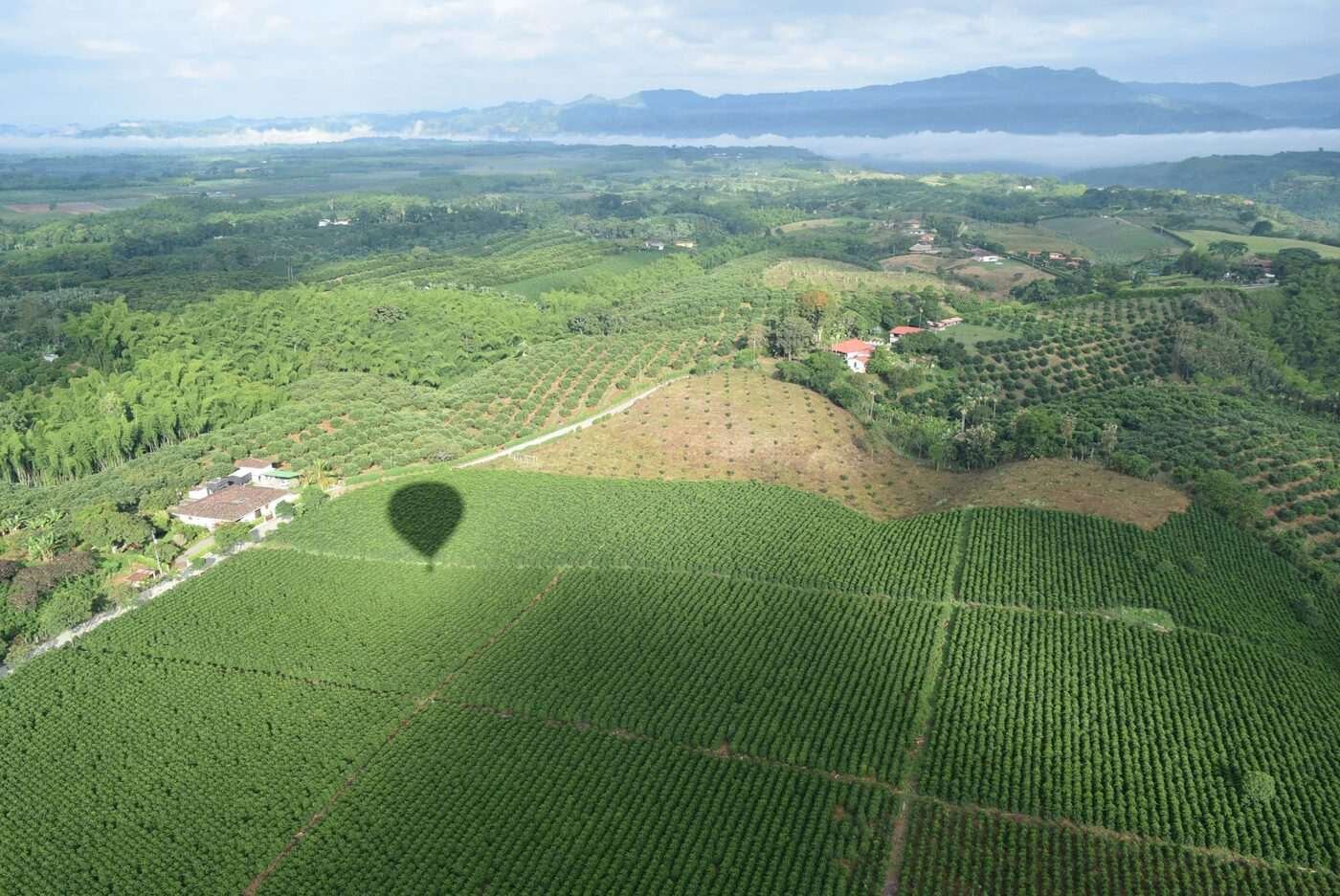
Ten days is the ideal window for combining two of Colombia’s most distinctive zones: the lush green Coffee Region (Eje Cafetero) in the central Andes, and the Caribbean coast stretching from Cartagena to Santa Marta. Fly into Pereira, fly out of Santa Marta. One domestic connection in the middle.
Days 1–2: Pereira - Gateway to Coffee Country
Fly into Matecaña International Airport in Pereira from Bogota, Medellin or Cali (flights from approximately COP 120,000–200,000 one way). Pereira itself is a working city with a useful transport hub - it is not a major tourist destination but gives easy access to the whole region.
Day 1: Check into your base. NH Pereira is the most comfortable mid-range option, with rooms from approximately COP 280,000 per night. Budget: the Azulejo Hostel has dorms from COP 45,000 near the Parque del Café area. Afternoon: visit the Parque Olaya Herrera and Pereira’s Bolivar Plaza, where the famous naked Bolivar sculpture stands.
Search hotels in Pereira on Booking.com
Day 2: Head to the Parque Nacional del Café near Montenegro (30 minutes from Pereira, COP 20,000 taxi or COP 4,000 by bus). The park entrance runs approximately COP 80,000 for adults (as of 2026) and includes theme rides, a cable car over the coffee plantations and a museum on Colombian coffee history. It is touristy but gives good context before you visit working farms.
Days 3–5: Salento and Cocora Valley
From Pereira bus terminal, shared jeeps depart for Salento approximately every 30 minutes (COP 12,000–16,000, 45 minutes). Salento sits at 1,895 metres and has a cooler, cleaner air than the cities.
Day 3: Arrive and settle in. The main street, Calle Real, is the social spine of the town - coffee shops, restaurants, bakeries and artisan goods line it from end to end. Café Jesús Martín does single-origin pour-overs from COP 6,000 per cup. El Punto at the top of the steps does the cheapest full lunch in town - a menú del día (soup, main, juice) costs around COP 12,000–15,000.
Accommodation: Plantation House Salento has dorms from COP 60,000 with mountain views. Hotel Salento Real has private doubles from COP 160,000.
Search hotels in Salento on Booking.com
Day 4 (Cocora Valley): This is the main event. Chiva jeeps depart from the main square from 6am (COP 5,000–8,000 per person each way). The full loop trail - cloud forest, hummingbird feeders, open valley - takes 4–6 hours. The iconic wax palms in the open section of the valley can reach 60 metres. Bring layers: the cloud forest section drops to 10–12°C even in dry season. Rubber boots available for rent at the trailhead, COP 10,000.
Day 5 (Coffee Farm): Book a farm tour at Finca El Ocaso (COP 30,000–45,000 per person) or ask your hostel to arrange a visit to a smaller family farm - often cheaper and more personal. The tour covers planting, picking, processing and roasting and finishes with a cupping session.
Nearby Filandia is worth a half-day if you have time: 20 minutes from Salento by jeep (COP 5,000), with a viewpoint mirador and quieter streets than Salento.
Day 6: Transit to the Caribbean Coast
This is the logistics day. From Salento, take a jeep back to Pereira (45 minutes) and fly Pereira to Cartagena or Pereira to Bogota then connect. The Pereira–Cartagena route has direct flights from COP 180,000–300,000 with Avianca; total travel time is around 4–5 hours door to door.
Arrive in Cartagena in the evening. Taxi from the airport to the walled city costs approximately COP 25,000–35,000. Check in and rest - the next three days are spent exploring the Caribbean.
Days 7–8: Cartagena
Cartagena is the show-stopper. The walled city, built by the Spanish in the 16th century, has been a UNESCO World Heritage Site since 1984.
Day 7 (Walled City and Getsemaní): Walk the Las Murallas for free - the walls circling the old city are publicly accessible. Inside: the Castillo San Felipe de Barajas (COP 35,000 entry) is the fortress that repelled the British fleet in 1741. Lunch at El Santísimo on Calle del Sargento Mayor - creative Colombian cuisine with mains from COP 45,000.
Afternoon: cross into Getsemaní, immediately south of the walled city. This is Cartagena’s creative neighbourhood - murals, street food stalls and a more authentic vibe than the tourist-heavy old town. Pick up a ceviche (COP 10,000–15,000) from the carts on Calle Larga.
Day 8 (Islands and Sea): A half-day or full-day boat trip to the Rosario Islands departs from the Muelle Turístico at around 8am. Basic group tours run COP 80,000–120,000 per person including snorkelling equipment; private tours cost COP 250,000–400,000 for the boat. The coral gardens around Isla Grande and Isla del Rosario have good visibility when seas are calm (December–April is clearest).
Evening: dinner at La Cevichería on Calle Stuart - the most acclaimed seafood restaurant in the city. Book at least two days ahead; mains from COP 55,000. Alternatively, the rooftop of any walled-city hotel at dusk with a rum and fruit juice runs COP 18,000–28,000 and is hard to beat.
Days 9–10: Santa Marta and Tayrona
Bus from Cartagena to Santa Marta takes 3.5–4.5 hours (COP 35,000–55,000 with Berlinas del Fonce or similar). Alternatively, fly (45 minutes, from COP 150,000).
Santa Marta is Colombia’s oldest city and sits at the foot of the Sierra Nevada mountains - a different landscape from Cartagena’s flat Caribbean surroundings.
Day 9: Check in to the El Rodadero beach area or the historic centre. Masaya Hostel in the historic centre has dorms from COP 55,000 and an excellent social roof terrace. Mid-range: Casa Blanca Hotel near Parque de los Novios charges COP 220,000–300,000.
Search hotels in Santa Marta on Booking.com
Afternoon: arrange the Tayrona National Park visit for Day 10 with your hostel or at the bus terminal. A shared minibus to the El Zaino park entrance costs approximately COP 8,000–12,000 each way (30 minutes). Buy your entry ticket at the PARQUES NACIONALES office on Calle 17 in Santa Marta (COP 62,000 for foreigners as of 2026) - or online at parquesnacionales.gov.co, which is faster.
Day 10 (Tayrona National Park): Depart early - minibuses from the market area on Carrera 11 run from 7am. At El Zaino, hike through the jungle on the well-marked path to Playa La Piscina and Playa Cabo San Juan (45 minutes–1.5 hours depending on pace). La Piscina has sheltered swimming; Cabo San Juan has the famous hammock camp and a clifftop hummock with 360-degree sea views.
Return to Santa Marta for your evening flight out. Simón Bolívar International Airport (SMR) has connections to Bogota, from where most international flights depart.
Budget Summary (Per Person, 2026 Estimates)
| Category | Budget | Mid-Range |
|---|---|---|
| Accommodation (per night) | COP 45,000–70,000 | COP 200,000–350,000 |
| Meals (per day) | COP 30,000–55,000 | COP 80,000–160,000 |
| Domestic flight (1 sector) | COP 150,000–300,000 | COP 150,000–300,000 |
| Activities (10 days) | COP 200,000–350,000 | COP 400,000–700,000 |
| 10-Day Total | from COP 2.2M | from COP 4.5M |
Practical Notes
- Best season: December–March for the dryest weather on both coast and Coffee Region. Avoid the main rains of April–May and October–November if possible.
- Tayrona booking: The park limits visitor numbers and can sell out during Colombian holidays (Semana Santa, December). Book online at least one week ahead during peak periods.
- Rubber boots in Salento: Even in dry season, the Cocora cloud forest trail is muddy. Rent boots at the trailhead rather than ruining your shoes.
- Cartagena heat: July–August is peak heat and humidity - plan outdoor sightseeing for before 11am and after 4pm.
- Tours: Tours in Salento covers coffee farm visits and Cocora hikes; tours in Cartagena handles Rosario Islands and Old Town walks - useful for booking ahead if you prefer confirmed spots.
Book Your Trip
- Flights - Find the best fares to Colombia · flights guide
- Travel Insurance - Get covered before you go · insurance guide
- eSIM - Stay connected from landing · eSIM guide
- Airport Transfers - Pre-book your transfer from Bogota or Medellin · airport guide
- Car Rental - Compare prices across providers
- Hotels - Hotels in Pereira · Hotels in Salento · Hotels in Cartagena · Hotels in Santa Marta
- Tours & Activities - Browse Colombia tours on GetYourGuide