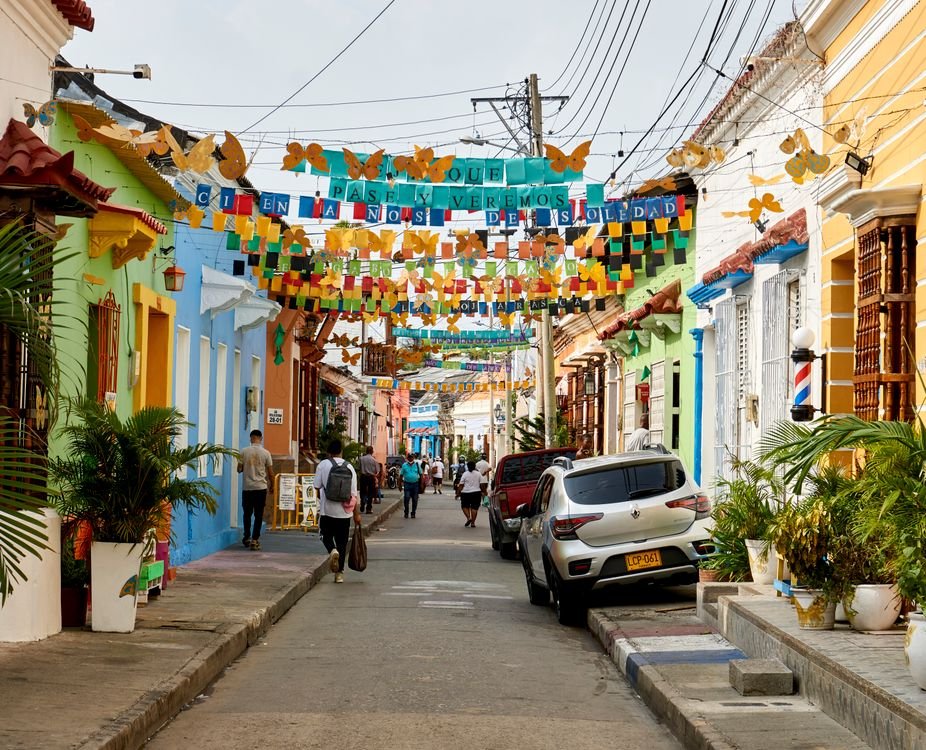
Every November 11, Cartagena de Indias celebrates the day it declared independence from Spain - and does so with a combination of civic pride, street parties, costumed parades, and a neighbourhood-by-neighbourhood festivity that runs for several days either side of the date. For tourists, it’s one of the best times to be in the city.
The History Behind the Celebration
On November 11, 1811, Cartagena became one of the first cities in the territory that would eventually become Colombia to formally declare independence from the Spanish Crown. The declaration - known as the Acta de Independencia de Cartagena - came during a period of political upheaval triggered by Napoleon’s invasion of Spain. The city’s creole elite and popular classes united to push for self-rule, and the declaration was signed at the seat of government near what is now the walled city.
Colombia’s national independence is celebrated on July 20 (the date of the 1810 Grito de Independencia in Bogotá). But for cartageneros, November 11 carries equal or greater emotional weight - it’s their day, tied specifically to this city’s history and its long identity as a self-governing, culturally distinct port.
The celebration is not recent. Cartagena has marked November 11 with public events since the 19th century, and the modern celebration has grown to span a full week of events.
What Happens During the Celebration
The Independencia Parade
The central event is a parade through the walled city on November 11 itself (or the closest Saturday if the date falls mid-week, though the actual date is always celebrated). The parade features costumed groups representing different communities, folkloric dance groups, brass bands, Afro-Colombian cultural organisations, and school groups. It is long, loud, colourful, and participatory in a way that distinguishes it from more formal civic parades elsewhere.
The main route runs through the walled city’s central streets - typically starting near the Torre del Reloj and moving through to Parque del Centenario. The crowd lines both sides three or four people deep from early morning. Arrive by 7am for a position with a clear sightline. The parade typically begins around 8–9am and runs for three to four hours.
Getsemaní Street Celebrations
Getsemaní - the neighbourhood just outside the walled city’s Puerta del Reloj - has its own distinct independence celebration that many residents argue is more authentically cartagenero than anything happening inside the walls. Getsemaní was historically where the city’s free Black and mixed-race population lived, and the neighbourhood’s role in the 1811 independence movement is central to its identity.
In the days around November 11, Getsemaní’s streets (particularly Calle Tripita y Media and the area around Parque del Centenario) host block parties with champeta music, vallenato, and Afro-Colombian folkloric performances. These events are free, informal, and run well into the night. This is where the local experience of November 11 is most visible - not the tourist circuit.
Concerts and Cultural Events
The city government organises ticketed and free concerts in the days around November 11 - typically in the amphitheatre at the Laguna del Cabrero, the Parque de la Marina, and stages set up in Getsemaní. Performers range from local Afro-Colombian music groups to national vallenato and popular artists. Free concerts are listed on the Cartagena city government’s social media closer to the date; ticketed events through Tu Boleta.
Comparsas and Costumed Groups
In the evenings before and after November 11, costumed comparsa groups - performance troupes combining dance, costume, and music - move through the streets of the walled city and Getsemaní. These are organised by cultural clubs and community groups, often with months of preparation. The costumes reference both African heritage and colonial history. Seeing a comparsa in the narrow streets of Getsemaní at night is one of those Cartagena experiences that stays with you.
Local vs. Tourist Experience
One of the most useful things to understand about November 11 in Cartagena is that the celebrations happen simultaneously on two different tracks.
The tourist circuit - inside the walled city around the clock tower, along Avenida Venezuela, in the Plaza de los Coches and Bóvedas - gets crowded with visitors (domestic and international), street vendors, and organised events. The atmosphere is festive but can feel commercial.
The local experience is concentrated in Getsemaní, La Popa hill neighbourhood, and the streets of the Manga and Pie de la Popa barrios. These areas are less polished, louder, and more representative of how cartageneros actually celebrate their city’s independence. If you’re comfortable navigating a busy neighbourhood at night and willing to go slightly off the tourist path, the Getsemaní celebrations are where the real energy is.
A practical approach: watch the parade inside the walls in the morning, eat lunch at a restaurant in Getsemaní (Demente, El Barón, and La Cevichería are all within walking distance), and spend the evening in the neighbourhood streets as the night celebrations begin.
Where to Stay
November 11 is a high-demand period for Cartagena accommodation. Book at least 6–8 weeks in advance.
Search hotels in Cartagena on Booking.com
Walled city (Centro Histórico) hotels offer maximum convenience - you’re steps from the parade route and a 10-minute walk to Getsemaní. Expect to pay approximately COP 400,000–900,000 per night for mid-range to boutique hotels as of 2026. Casa hotels (converted colonial houses) in this area tend to be the most characterful option.
Getsemaní has grown substantially as an accommodation base over the last decade. Prices are lower than inside the walls - COP 200,000–450,000 for a decent guesthouse or mid-range option as of 2026 - and you’re in the neighbourhood where the local festivities are most concentrated.
Bocagrande is the beach hotel zone about 10–15 minutes by taxi from the walled city. Some large international hotels are here, and prices can be lower for bigger rooms. The trade-off is that you’re not walkable to the parade or the Getsemaní celebrations.
Getting Around
Cartagena’s walled city is compact and walkable. For November 11 specifically, the streets around the parade route are closed to vehicles for most of the morning and afternoon - plan to walk or take a mototaxi on side streets.
Taxis are plentiful but fares are negotiated (meters are not standard). Agree the fare before getting in. Cabify is available in Cartagena and removes negotiation entirely.
Practical Notes
Weather in November: Cartagena in November is at the tail end of its rainy season. Expect higher humidity than December–April, some afternoon rain, and temperatures in the 28–32°C range. The rain comes in short bursts rather than all-day downpours. Carry a small umbrella for the parade.
Crowds: The walled city on November 11 is genuinely very busy - narrow colonial streets, large crowds, and full restaurants. If you’re crowd-sensitive, this is worth knowing in advance. The celebratory atmosphere offsets it for most visitors, but it’s not a quiet time to visit.
Food and restaurants: Book restaurant reservations for November 11 evening at least a week in advance. The better restaurants inside the walls fill quickly. Getsemaní restaurants tend to have more availability and, in many cases, better food at lower prices.
Photography: The parade and Getsemaní street events offer extraordinary photographic opportunities - the costumes, the colours, and the crowd energy are exceptional. Ask permission before photographing individuals at close range; most comparsa performers are happy to pose.
November 11 in Cartagena is one of those occasions where a city reveals itself more fully than on an ordinary visit. The parade is good; the evenings in Getsemaní are exceptional; and the historical layer - a city that has been marking its own independence for over 200 years - gives it a weight that distinguishes it from a generic festival. Plan around it if your dates allow.
Plan Your Trip
✈️ Book your flights to Colombia 🛡️ Get travel insurance 📱 Stay connected with an eSIM 🚗 Rent a car