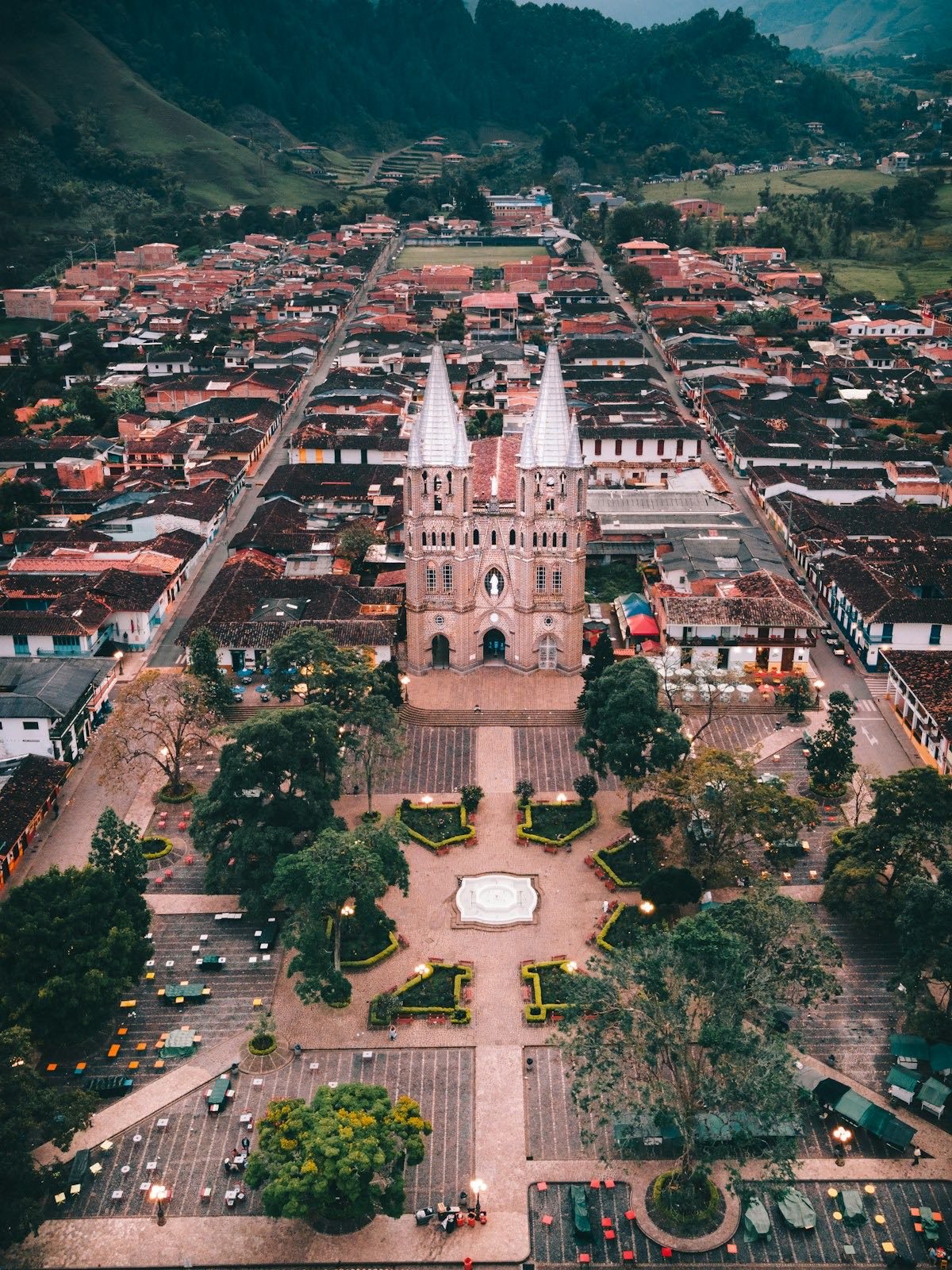
Colombia has shifted from a country people once avoided to one of South America’s most talked-about destinations. Good infrastructure, exceptional food, dramatic landscapes, and genuinely welcoming people make it easy to understand why first-time visitors often end up extending their stay.
Still sizing up costs? Our Colombia trip cost calculator gives a quick budget by duration and travel style.
This guide covers the practical side of arriving and moving around Colombia for the first time.
Entry Requirements and Visas
Most Western passport holders do not need a visa to enter Colombia. Citizens of the United States, Canada, the United Kingdom, Australia, New Zealand, and all EU member states receive a free tourist entry stamp allowing up to 90 days. This can be extended once at a local migration office for an additional 90 days, giving a potential stay of up to 180 days.
You will need:
- A passport valid for at least six months beyond your intended departure date
- Proof of onward travel (a return or connecting flight booking)
- Sufficient funds for your stay - immigration may ask
Colombia has a digital entry form (called the “Check-Mig”) that should be completed online before arrival. It takes about five minutes and you receive a confirmation code to show at border control. Find it at the official migration Colombia website.
Getting In: Airports and Arrival
El Dorado International Airport in Bogota (BOG) handles the most international flights and connects to every domestic destination. Cartagena (CTG), Medellin (MDE - Rionegro), and Cali (CLO) also receive direct international flights from North America.
Bogota’s airport is large and modern. On arrival, collect your luggage, clear customs, and head to the arrivals hall. Authorised taxis are available from the designated taxi counters - agree the fare before getting in, or use a ride-hailing app. The journey to central Bogota takes approximately 35-60 minutes depending on traffic and costs approximately COP 50,000-80,000 (as of 2026).
Pre-booking an airport transfer is worth considering if you arrive at night or during rush hour.
Getting Around the Country
Colombia’s domestic flight network is extensive and affordable. Airlines like Avianca, LATAM, JetSmart, and Wingo connect major cities. A Bogota to Medellin flight takes around 45 minutes and fares start from approximately USD 30-50 booked in advance (as of 2026).
Intercity buses are a reliable budget option. Comfortable air-conditioned coaches operated by companies like Copetran, Bolivariano, and FlixBus Colombia connect most cities. The Bogota to Cartagena bus journey takes 16-18 hours overnight. Bus terminals (Terminales de Transporte) are well-organised.
Within cities, use the following:
- Bogota: TransMilenio (BRT bus network) and the growing Metro line
- Medellin: Metro (excellent, clean, affordable at approximately COP 3,200 per journey as of 2026)
- Cartagena: Taxis and motorbike taxis (mototaxis) are the main options
- Cali: MIO BRT bus system
InDriver, Cabify, and Beat operate as ride-hailing alternatives to traditional taxis in most major cities. Uber has a complicated legal status in Colombia - it operates but drivers may ask you to sit in the front seat.
Money and Costs
Colombia uses the Colombian peso (COP). Major credit cards are accepted at hotels, larger restaurants, and shopping centres, but carry cash for smaller restaurants, markets, and rural areas. ATMs are widespread in cities - use bank-branded machines (Bancolombia, Davivienda, Banco de Bogota) rather than standalone units to minimise fees.
Daily cost guide (as of 2026):
- Budget traveller: COP 140,000-200,000 per day (hostel dorm, street food, local transport)
- Mid-range: COP 330,000-500,000 per day (private hotel room, restaurant meals, occasional tour)
- Comfortable: COP 650,000 and above per day (boutique hotel, restaurants with cocktails, private transfers)
Search hotels in Colombia on Booking.com
Tipping is appreciated but not mandatory. Around 10% at restaurants is standard.
SIM Cards and Connectivity
Colombia has solid mobile coverage in all cities and most tourist areas. Buying a local SIM card on arrival is straightforward. The main providers are Claro, Movistar, and Tigo. SIM cards with data packages are sold at airport kiosks, phone shops, and many convenience stores. A 30-day package with 10-15GB of data costs approximately COP 30,000-50,000 (as of 2026).
If you want coverage sorted before you arrive, an eSIM from a provider like Airalo works well for Colombia - activate it before boarding and you land connected.
Health Considerations
No vaccinations are strictly required to enter Colombia unless you are arriving from a yellow fever country. However, yellow fever vaccination is strongly recommended if you plan to visit the Amazon (Leticia) or certain jungle areas. Consult a travel health clinic at least 4-6 weeks before departure.
Drinking tap water in Colombian cities is generally considered safe, though many travellers prefer bottled or filtered water. Altitude is a consideration in Bogota (2,600m) and some Coffee Region towns - take a day to acclimatise before strenuous activity.
Where to Start: Suggested First Stops
Cartagena - the walled city is visually stunning, compact, and easy to navigate. It offers an immediate immersion in Colombia’s colonial history and Caribbean warmth. Good base for 3-4 days.
Medellin - a city that rewards exploration. El Poblado is the tourist-friendly neighbourhood with the highest concentration of cafes, restaurants, and hostels. A 4-5 day stay lets you cover the city properly and day-trip to Guatape. See our full Medellin guide for specifics.
Bogota - more complex and rewarding than many expect. The La Candelaria historic district, world-class Gold Museum, and Monserrate hill make for a full 3-4 days.
Coffee Region (Salento/Pereira) - genuinely beautiful highland scenery, excellent coffee farms, and a slower pace. Well-served by buses from Bogota or Medellin.
Travel Insurance
Colombia is not a difficult country to travel in, but things go wrong everywhere. Medical care in Colombian private hospitals is good and considerably cheaper than in North America or Europe, but it still costs money without insurance. Travel insurance covering medical expenses, trip cancellation, and theft is worth getting before you go. VisitorsCoverage travel insurance offers flexible cover for Colombia including adventure activities.
A Few Practical Notes
- Language: Spanish is the national language. English is spoken in tourist-heavy areas and by hotel staff, but learning a few Spanish basics helps considerably outside Cartagena and Bogota’s tourist zones.
- Power: Colombia uses Type A and B plugs (the US/Canada standard, 110V). European visitors need an adapter.
- Photography: Always ask before photographing people. Colombians are generally warm and happy to be photographed with permission.
- Altitude: Bogota sits at 2,600m (8,530ft). If you are coming from sea level, give yourself a day or two before doing anything strenuous.
Colombia rewards visitors who come without preconceptions. The country has changed dramatically and continues to do so. First-time visitors routinely become repeat visitors.
Plan Your Trip
✈️ Book your flights to Colombia 🛡️ Get travel insurance 📱 Stay connected with an eSIM 🚗 Rent a car