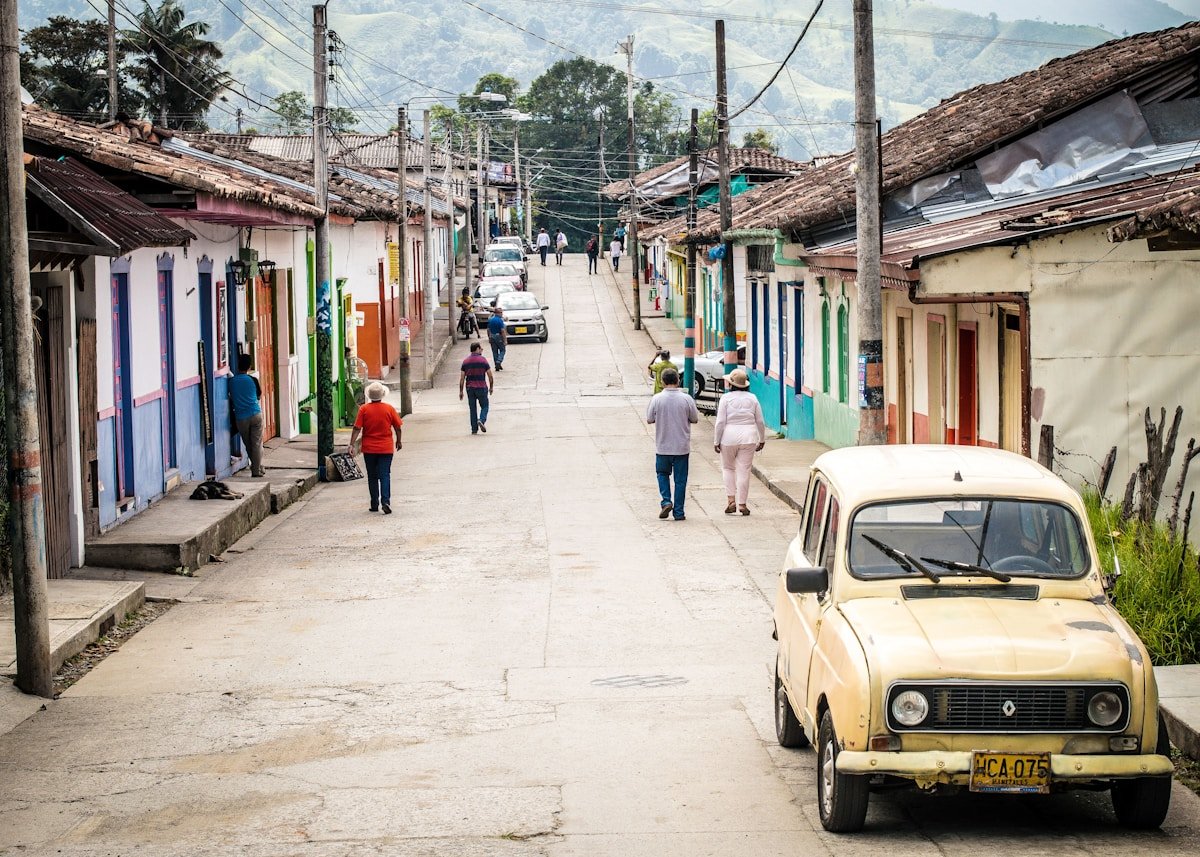
Colombia’s safety reputation has shifted dramatically. The country that dominated international headlines for the wrong reasons in the 1980s and 1990s now draws millions of visitors annually. That said, Colombia is not without risks - and being honest about them is more useful than either dismissing concerns entirely or overstating the danger.
Here is a realistic breakdown of what you should know before you go.
The Overall Picture
Colombia’s major tourist cities are genuinely safe for travellers who follow common-sense precautions. You are far more likely to have an uneventful trip than a dangerous one. The main risks are opportunistic petty crime (phone snatching, bag theft, pickpocketing) and occasional drink-spiking in nightlife areas - risks that apply to most major cities in Latin America.
Armed conflict exists in certain remote areas well outside standard tourist routes. Most international travel advisories recommend avoiding border regions with Venezuela and Ecuador, the Darien Gap, and certain rural areas of Choco, Arauca, and Norte de Santander departments. These are not places typical tourists visit.
Safety by City
Bogota
Bogota is Colombia’s most complex city for visitors. It is a city of distinct zones, and your experience varies enormously depending on where you are.
Comfortable for tourists:
- Chapinero (La Zona Rosa, Zona G) - upmarket, well-lit, restaurant-dense
- Usaquen - colonial neighbourhood in the north, weekend market, busy daytime and evening scene
- Parque 93 area - modern, safe, popular with expats and upper-middle-class locals
Fine with awareness:
- La Candelaria - the historic centre, heavy police presence during the day but less safe after dark; visit for the Gold Museum and historic churches during daylight
Avoid:
- The Bronx and surrounding streets south of La Candelaria
- Ciudad Bolivar
- Patio Bonito
- Anywhere that feels wrong at night - trust that feeling
TransMilenio buses in Bogota have a reputation for pickpocketing, particularly during rush hours. Keep your phone in a pocket, not in your hand, on crowded public transport.
Medellin
Medellin has undergone a remarkable transformation. The city was named the world’s most innovative city in 2013 and has continued developing since. El Poblado is the main tourist neighbourhood and feels comparable to upmarket neighbourhoods in other South American cities.
Comfortable for tourists:
- El Poblado - the main tourist zone, Parque Lleras, dense with hostels, restaurants, and bars
- Laureles - residential, less touristy, popular with longer-stay travellers, genuinely pleasant
- Envigado - adjacent to El Poblado, quieter, local feel
Fine with awareness:
- Estadio neighbourhood - busy, local, fine during the day
- Bello and the northern communes - interesting to visit on the Metro Cable but use common sense
Avoid:
- The Bronx area near Parque Berrío
- Walking in Comunas 8, 13, or the northwest hillside areas without a local guide (note: the famous Graffiti Tour in Comuna 13 is safe and well-organised)
The Medellin Metro is clean and considered safe. Keep your belongings close at crowded stations.
Cartagena
Cartagena’s walled old city (Ciudad Amurallada) is probably Colombia’s most tourist-comfortable environment. Police presence is high, streets are busy with visitors, and the overall feel is relaxed.
Comfortable:
- Ciudad Amurallada (the walled city)
- Getsemani - historically rough but now largely gentrified and popular with travellers; some street artists and vendors can be pushy but it is not dangerous
More caution needed:
- Cartagena’s outer barrios beyond the tourist circuit
- Late night in Getsemani (get a taxi back to accommodation)
The main hassle in Cartagena is vendors and unofficial tour guides. Learn to say “no gracias” firmly and move on.
Cali
Cali has improved significantly but requires more vigilance than Cartagena or El Poblado in Medellin.
Comfortable:
- El Pedregal, Granada, San Antonio (historic neighbourhood)
- Chipichape and Unicentro shopping mall areas
Be careful after dark in most areas outside these zones. Stick to taxis or ride-hailing apps at night. Cali has a lower density of tourist infrastructure than Bogota, Medellin, or Cartagena, which means fewer eyes on the street in some areas.
Santa Marta and Tayrona
Santa Marta city centre requires awareness, particularly around the market area. El Rodadero beach area is generally safe. Tayrona National Park is well-visited and safe within the park boundaries - follow park rules about not camping outside designated areas.
Common Risks and How to Avoid Them
Phone snatching: This is the most common crime affecting tourists. Carry your phone in a front pocket or inside a bag when walking. Do not use your phone while standing on busy pavements. Do not have expensive phones or cameras visible on restaurant tables in open-air settings.
Drink spiking: Real risk in Bogota and Medellin nightlife areas. Never accept drinks from strangers. Go to bars with friends or people you trust from your hostel. Never leave drinks unattended.
“Paseo millonario” (millionaire’s tour): A scam where a fake taxi driver kidnaps victims and forces them to withdraw ATM cash. Use InDriver, Cabify, or pre-booked taxis from hotels. Never hail random taxis from the street in Bogota.
Fake police: Men in plain clothes claiming to be undercover police officers asking to “check” your wallet or belongings. Real police do not do this. Do not hand over your wallet to anyone claiming to be a police officer - if in doubt, ask to go to the nearest police station together.
ATM theft: Use ATMs inside banks or shopping centres, not standalone street machines. Cover the keypad when entering your PIN.
Transport Safety
- Use ride-hailing apps (InDriver, Cabify) in Bogota and Medellin rather than hailing taxis from the street
- In Cartagena, taxis at fixed rates from hotels are fine; agree the fare before getting in
- Intercity buses on main routes are safe - use established companies rather than the cheapest option
- Overnight buses are generally safe; keep valuables close when sleeping
Travel Insurance
Medical care in Colombian private clinics is good but expensive without insurance. A medical emergency requiring evacuation could cost tens of thousands of dollars uninsured. Get proper travel insurance before departure. Ensure your policy covers theft, medical expenses, and ideally adventure activities if you plan trekking or water sports.
The Bottom Line
Colombia rewards careful, aware travellers. The country’s risks are real but manageable. Millions of tourists visit each year - the vast majority of them have experiences that involve zero safety incidents. Follow the guidance above, trust your instincts, stay connected with your accommodation’s front desk about current local advice, and you will be fine.
For specifics on getting around Medellin safely, see our full Medellin city guide.
Plan Your Trip
✈️ Book your flights to Colombia 🛡️ Get travel insurance 📱 Stay connected with an eSIM 🚗 Rent a car