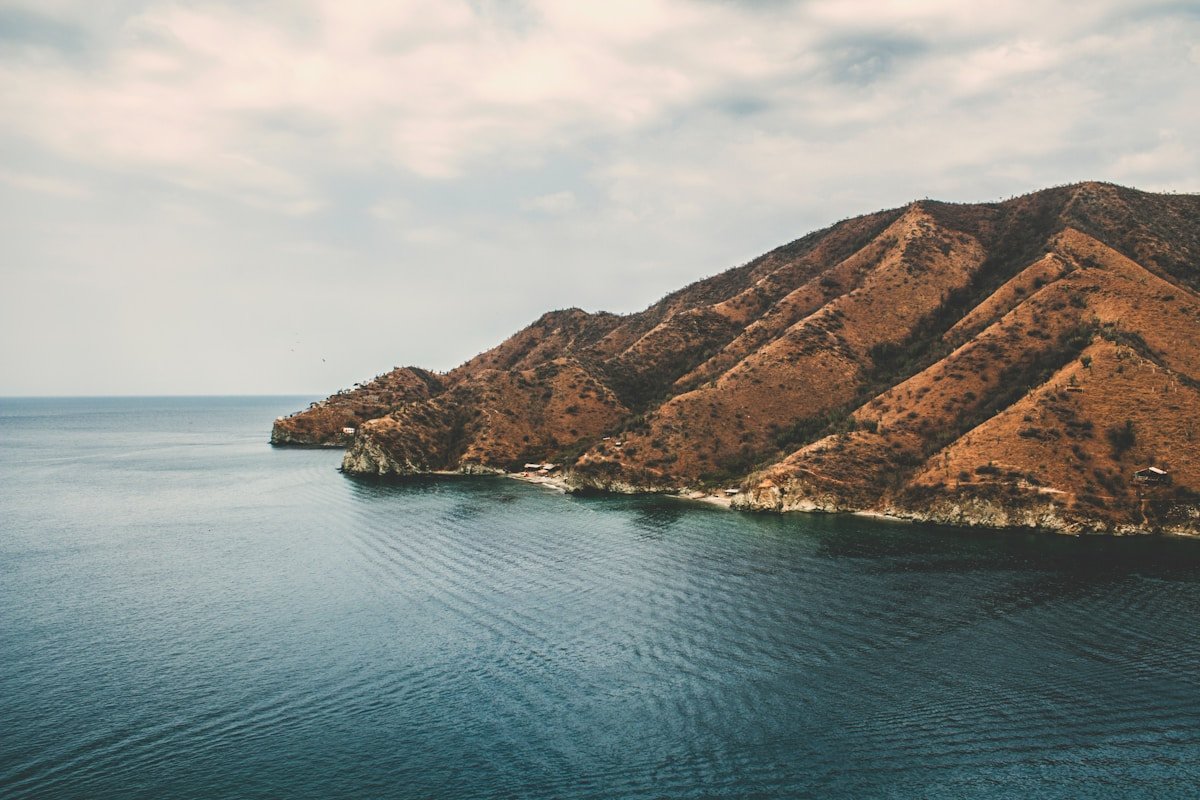
Ciudad Perdida - the Lost City - is a pre-Columbian settlement built by the Tairona people around 800 CE, more than 650 years before Machu Picchu. It sits at 1,300 metres in the Sierra Nevada de Santa Marta, accessible only by a four to six-day jungle trek. It was rediscovered in 1972 and opened to trekkers in the 1990s, though only four licensed operators are legally permitted to run tours.
Access rules and permits change, so we confirm them with Parques Nacionales Naturales de Colombia before every trek.
The trek to Ciudad Perdida is not the Inca Trail. There are no stone-paved paths or mountain lodges. You walk through dense rainforest, cross rivers up to ten times a day, sleep in open-air camps, and deal with mud, humidity, and insects. That’s also what makes it exceptional.
The Four Licensed Operators
By Colombian law, only these four companies may run treks to Ciudad Perdida. All are Indigenous-owned and the fees support the Kogui, Wiwa, Arhuaco, and Kankuamo communities who are the traditional guardians of the Sierra Nevada.
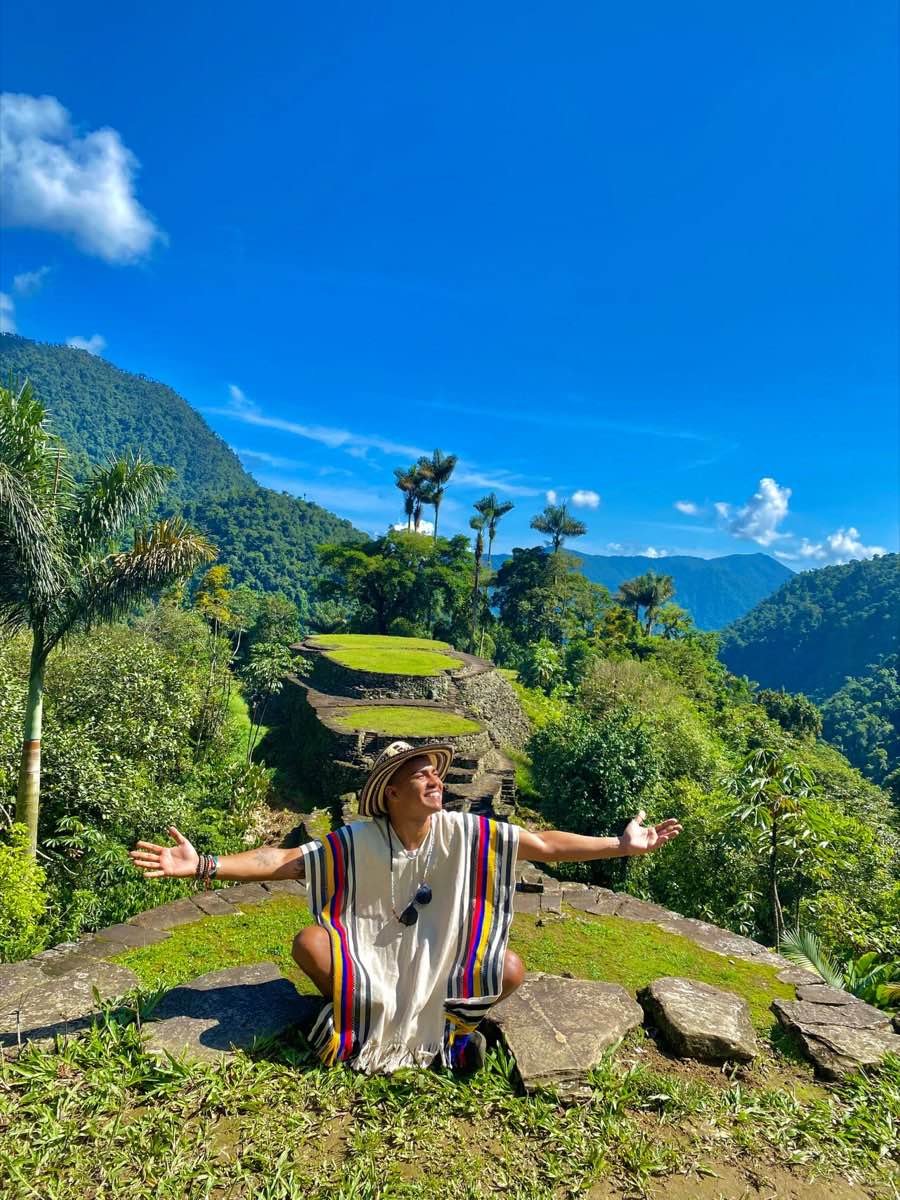 A stone terrace at Ciudad Perdida, the goal of the trek.
Expotur
Santa Marta’s oldest licensed operator and the most internationally recognised. Tours depart daily from Santa Marta.
- 4-day trek: approximately COP 1,150,000 to COP 1,350,000 (USD 280–330) per person as of 2026 (varies by season)
- 6-day trek: approximately COP 1,500,000 (USD 370) per person
- Contact: expotur.com | English-speaking guides available
- Office: Calle 17 No. 3-13, Santa Marta
Wiwa Tour
Indigenous-owned operator with particularly strong community connections and knowledgeable Wiwa guides. Excellent for those interested in the ethnobotany and oral history of the Sierra Nevada communities.
- 4-day trek: approximately COP 1,100,000 to COP 1,280,000 (USD 270–310) per person as of 2026
- Contact: wiwatour.com
- Office: Santa Marta city centre
Magic Tour
A reliable option with well-maintained camps and English-speaking guides. Slightly less known internationally than Expotur but consistently well-reviewed.
- 4-day trek: approximately COP 1,100,000 to COP 1,300,000 (USD 270–320) per person as of 2026
- Contact: magictourcolombia.com
Baquiana
The newest of the four licensed operators, with a smaller group focus and a strong emphasis on sustainable practices.
- 4-day trek: approximately COP 1,200,000 (USD 290) per person as of 2026
All prices as of 2026 and should be verified directly with the operator before booking, as they fluctuate seasonally. Five and six-day itineraries add approximately USD 50–80 to the base price and are worth considering if you want more time at the ruins or a less demanding daily pace.
Tours typically run with 6 to 12 participants. Private group pricing is available for groups of 8 or more - contact operators directly for rates.
What’s Included in the Tour Price
All four licensed operators include the following:
- Return transport from Santa Marta (usually departs 9am from the operator’s office)
- All meals during the trek (three meals per day plus snacks)
- Accommodation in jungle camps (hammocks with mosquito nets, or bunk beds at some camps)
- English-speaking or bilingual Indigenous guide
- National park entry fees and community access fees (approximately COP 80,000 - some operators include this in the quoted price, others collect it separately on arrival; confirm when booking)
- Porter service for one small bag per person (participants carry a daypack)
- Emergency evacuation plan and communication radio
Not included: Personal insurance (essential - medical evacuation from the Sierra Nevada is expensive), alcoholic drinks, tips for guides and camp staff (COP 40,000–80,000 per person is standard), personal medication, and hiking equipment. The camps sell cold drinks (water, Colombiana, beer) for approximately COP 3,000–8,000 each - bring COP 40,000–80,000 in cash for extras.
The Route Day by Day
Day 1: Santa Marta to El Mamey Camp (4 to 5 hours)
Transport from Santa Marta to the trailhead village of El Mamey (also known as Machete Pelao) takes approximately two hours. The trail begins after a welcome from the guide at the trailhead. Day one features the steepest climbing of the entire trek - a sustained ascent over 500 metres elevation gain to the first night’s camp at Paraiso or Pozo Verde (also referred to as La Aguacatera on some operator itineraries).
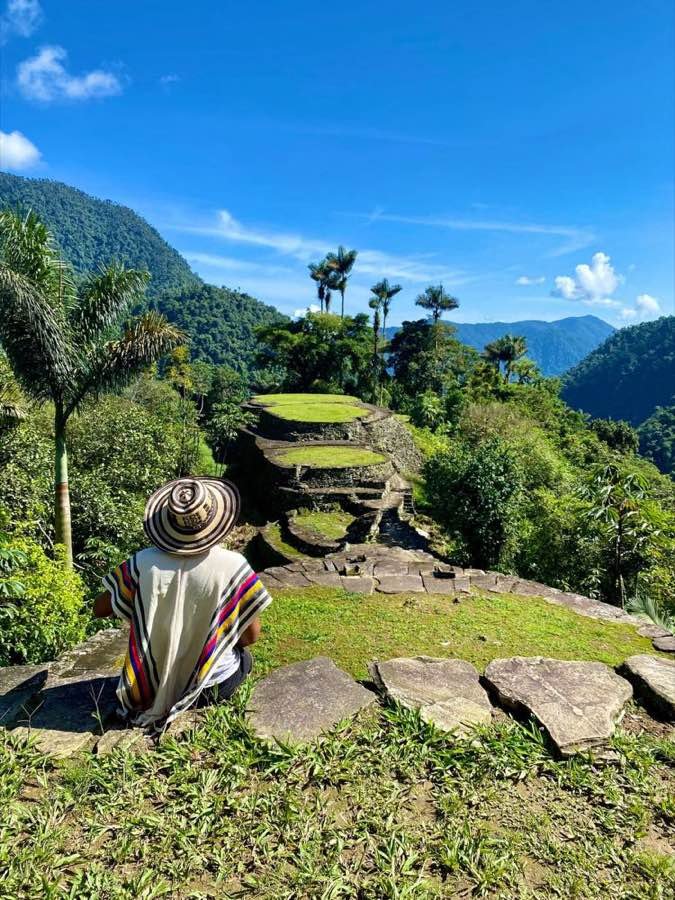 The terraces were built by the Tairona around the 9th century.
Expect to arrive at camp in the early afternoon. The rest of the afternoon is free for swimming in the river below camp - this is standard on every group’s first night.
Day 2: Jungle Trek to Adán Camp (5 to 7 hours)
The terrain levels out slightly but the trail remains muddy and river crossings begin. You’ll cross the Buritaca river multiple times by wading (pack your valuables in a dry bag). The camp on night two is typically a larger multi-camp area where groups from different operators mix.
Indigenous guides explain plants, trees, and medicinal uses of jungle species along the route.
Day 3: Arrival at Ciudad Perdida (3 to 4 hours up, then full site visit)
The ascent to the main Ciudad Perdida platform involves climbing 1,200 stone steps carved into the hillside - the most recognisable section of the route. At the top, terraces and circular ceremonial platforms stretch across a wide mountain ridge, partially reclaimed by vegetation.
The site visit typically takes two to three hours. Your guide covers the history of the Tairona civilisation, the function of different terraces, and the relationship between the site and the Indigenous communities who still consider it sacred. After the visit, you descend back to camp for the night.
Day 4: Return to Santa Marta (7 to 9 hours)
An early start (around 4am at some camps) to cover the return distance before the afternoon heat. The journey retraces the route and you arrive at El Mamey by midday, then transport back to Santa Marta arrives in the mid-afternoon.
Some operators offer a five or six-day variation with an additional night at the site and a longer period for exploring the outer terraces. This is recommended for those with an interest in archaeology or who want a less rushed experience at the city itself.
Difficulty and Fitness Requirements
The Lost City trek is rated moderate to strenuous. The key factors:
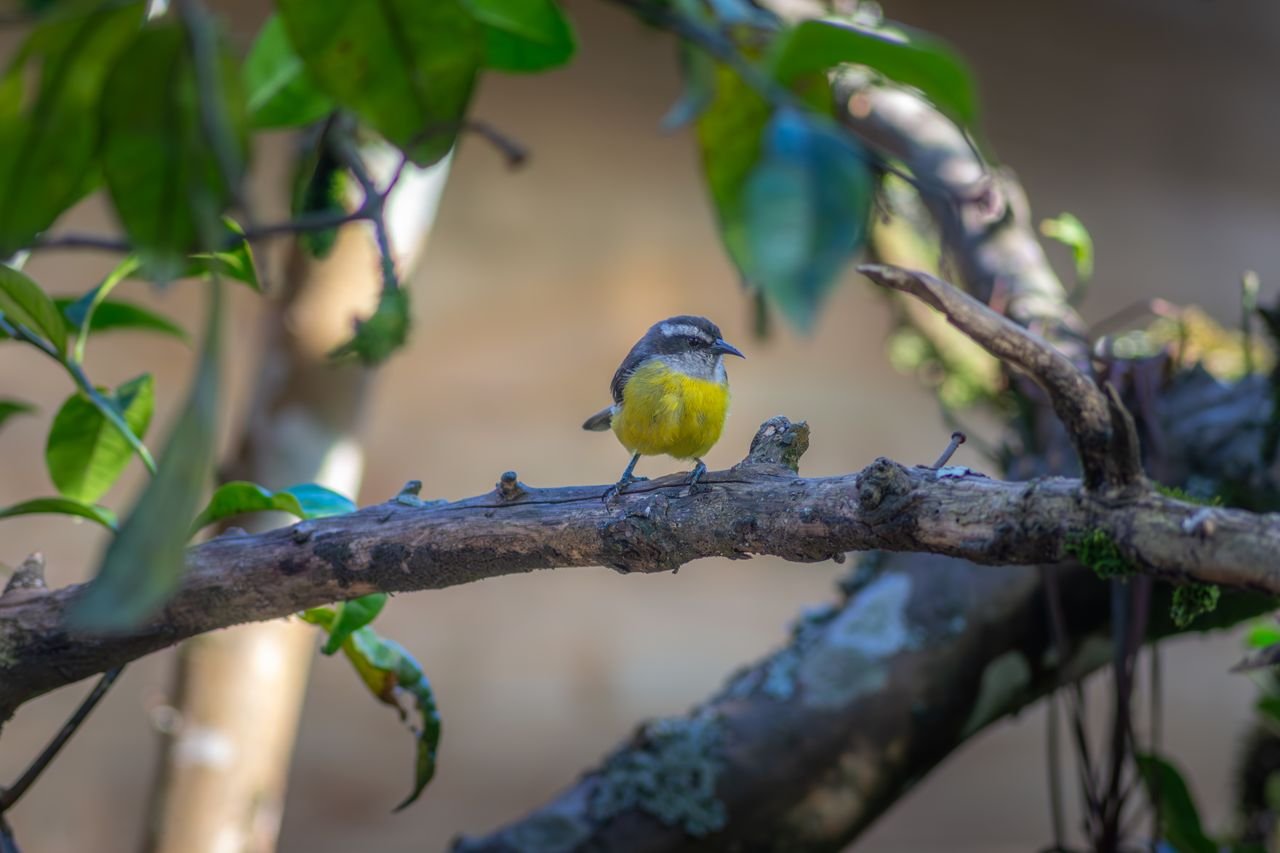 Birdlife is constant along the forest trail.
- Distance: approximately 44 kilometres round-trip over four days (11 kilometres per day average)
- Elevation gain: approximately 700 to 900 metres cumulative on the approach
- Terrain: muddy jungle paths, river crossings (knee-to-waist deep in rainy season), root-covered forest floors
- Heat and humidity: temperatures in the valley sections reach 30 to 35 degrees Celsius with very high humidity
You should be able to walk continuously for six to eight hours with a light daypack (5 to 8 kilograms). Regular gym attendance alone is not sufficient preparation - walking specifically, on uneven ground, is the best preparation.
The trek is not suitable for those with serious knee problems (the stone staircase descent is steep), significant cardiovascular conditions, or severe claustrophobia in dense jungle.
Children as young as 10–12 regularly complete the trek with supervised groups. Age is less relevant than fitness - groups frequently include participants in their 60s without issue. Trekking poles reduce knee strain on the descent significantly; they are available for rent in Santa Marta for approximately COP 10,000–15,000 per day.
What to Pack
In your daypack:
- 2 litres of water minimum (refillable at camps)
- Rain jacket and quick-dry rain cover for your bag
- Change of clothes for each night (lightweight, quick-dry)
- Rubber sandals or water shoes for river crossings
- Hiking boots with grip (waterproofed if possible)
- Sleeping bag liner (camps provide blankets but a lightweight liner is more comfortable)
- Headlamp with spare batteries
- Sunscreen and insect repellent (DEET essential - jungle mosquitoes carry dengue)
- Personal medication including rehydration salts and blister treatment
- Dry bags or ziplock bags for electronics and documents
- Cash in COP for drinks and tips (no card payment in the jungle)
Leave at your hotel in Santa Marta:
- Large suitcase or bag
- Valuables and non-essential electronics
- Any medication not needed on trail
Search hotels in Santa Marta on Booking.com
Best Time to Trek
The trek runs year-round but conditions vary significantly:
December to March (dry season): Best conditions. River crossings are shallower, trails drier. Demand is highest - book two to four weeks ahead for December and January.
June to August: A shorter dry window. Decent conditions and slightly less crowded than December.
April, May, September, October, November: Wetter months. Rivers can be significantly higher, requiring more caution at crossings. The jungle is lush and green. Groups are smaller.
The rainy season does not stop the trek - operators run year-round - but you should expect mud throughout and potential for high river crossings in the wettest months.
Getting to Santa Marta
Santa Marta is the base for the Lost City trek. Fly from Bogota (approximately 1 hour, from COP 150,000 one-way), Medellin, or Cartagena. Buses from Cartagena take around four hours (from COP 30,000). You can also book tours from Santa Marta that include the trek as a package.
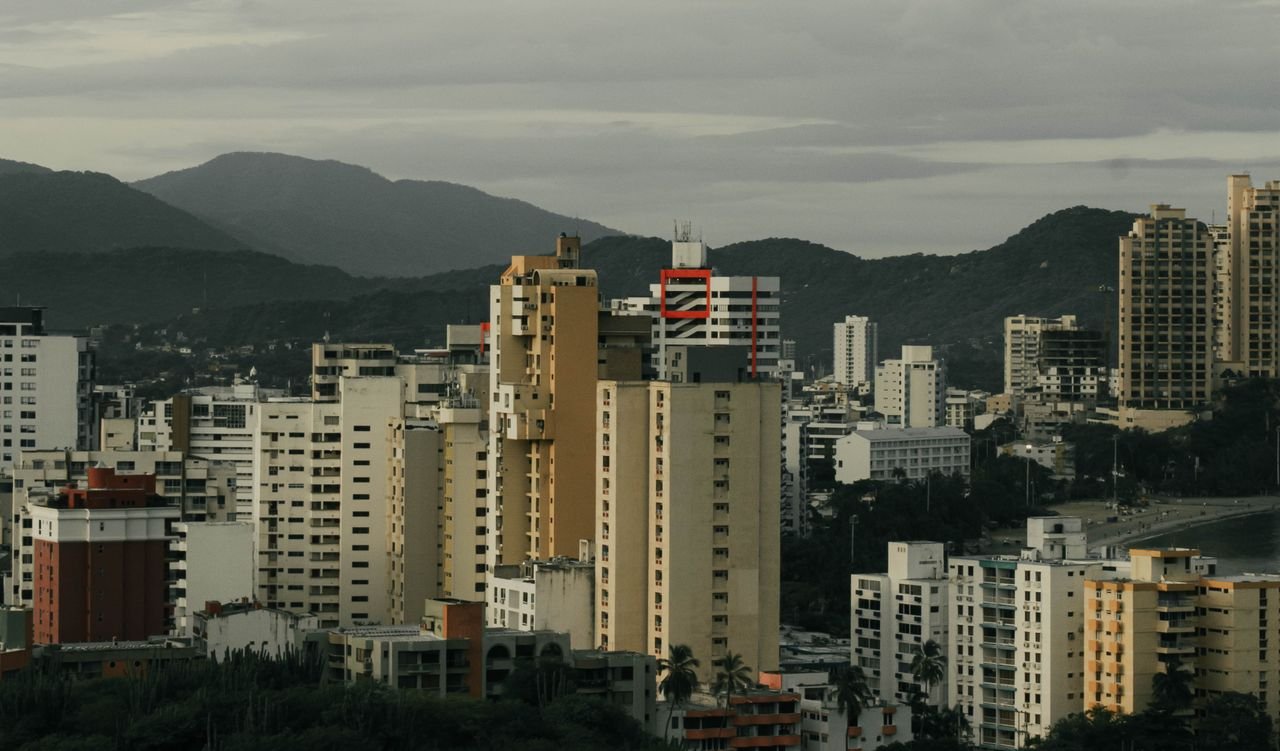 Santa Marta, the base for every Lost City departure.
For coastal activities before or after the trek, see our Tayrona National Park guide and consider allowing two to three days on the Caribbean coast either side of the trek.
Booking and Operators
Book directly with one of the four licensed operators listed above - avoid agencies claiming to run the trek independently, as they are all reselling through one of these four. Booking direct is cheaper and keeps the fee with the community.
The operators handle all permits, community fees, and national park access. You do not need to arrange anything separately.
Deposit and payment: All reputable operators require a deposit at booking (typically 30 to 50 percent) with the balance paid on arrival or before departure. Cancellation policies vary - read the operator’s terms before paying, and confirm whether the park entrance fee (approximately COP 80,000) is collected separately on the day.
How far ahead to book: December and January dates fill two to four weeks out. June to August books one to two weeks ahead. In the shoulder months you can often book a few days in advance, but confirming earlier is always safer.
Pickup is typically from Parque de los Novios in Santa Marta or from your accommodation - confirm the logistics when you book.
Related reading: Cartagena in October 2026 and El Cocuy National Park Trek.