Bogota is not a food destination that announces itself the way Cartagena or Medellin do. The highland climate makes it a city of soups, stews, and slow-cooked things rather than the coconut rice and ceviche of the coast. That suits Bogota’s character - understated, efficient, unexpectedly good once you know where to look.
The city’s food scene divides roughly into three categories: traditional Colombian cooking rooted in the Andean highlands, a serious restaurant industry that ranks among Latin America’s best, and a street food culture that fills the gap between those two.
The dishes to know
Ajiaco is the one non-negotiable. It is Bogota’s signature soup and nothing else quite replicates it outside this region. Three potato varieties break down at different rates, creating a broth that is simultaneously thin and thick depending on where you stick your spoon. Guascas - a herb almost unknown outside Colombia - gives it the taste that Bogotanos grow up with and visitors find unexpectedly addictive. It comes with cream and capers to add at the table.
Changua is the breakfast soup of the highlands and it divides people immediately. Milk and water base, eggs poached in the broth, green onion and cilantro on top, stale bread to dip and dissolve. If you grew up eating oatmeal, the texture is in the same territory - comforting once you accept what it is. At traditional spots it costs COP 12,000 to 18,000 as of 2026.
Calentado is technically leftovers made into breakfast - yesterday’s rice and beans reheated, served with a fried egg and an arepa. It is what Bogotanos eat before work, in market stalls at 6am, and in bakeries that have been running the same menu for thirty years. A full calentado plate costs COP 8,000 to 15,000 at working-class spots.
Bandeja paisa originates from Antioquia but appears on menus across Bogota. The plate is enormous by design - beans, white rice, ground beef, chicharrón (fried pork belly), chorizo, a fried egg, an arepa, patacón (fried plantain disc), and avocado. Restaurant versions in Bogota run from approximately COP 28,000 at a comedor to COP 55,000 at a mid-range restaurant as of 2026.
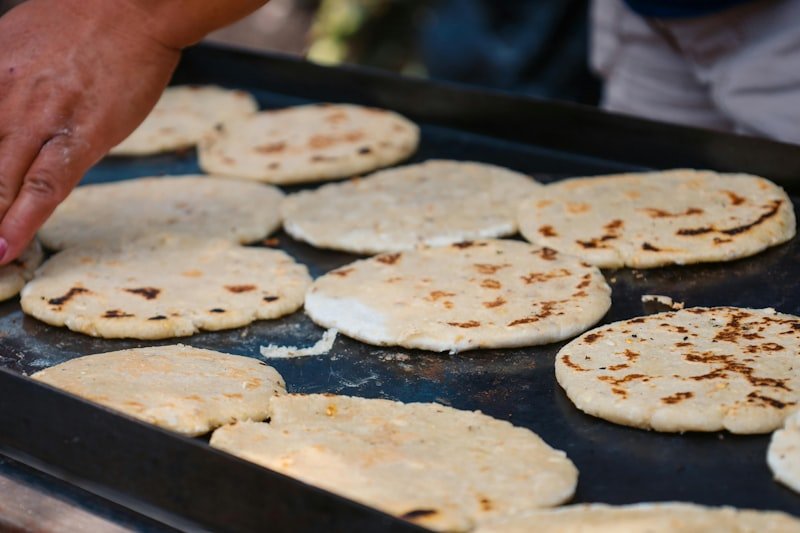
Arepas are eaten at every meal. The Bogota style is thinner and paler than the coastal versions, typically made with masa harina and griddled rather than fried. From street vendors they cost COP 2,000 to 4,000 each, often served with hogao (a cooked tomato and onion sauce) or simply with butter and salt.
La Candelaria and the centre
La Puerta Falsa (Calle 11 # 6-50) is the oldest restaurant in Bogota - open since 1816 - and still serving from a menu that has barely changed. The three-metre-wide dining room has eight tables and a queue most lunch hours. Ajiaco and changua are the things to order. Expect to pay COP 20,000 to 35,000 for a full meal as of 2026. Cash preferred.
El Cardenal (Calle 10 # 5-18) is a larger traditional restaurant one block from Plaza de Bolivar. Reliable ajiaco and good sancocho (a thinner, heartier stew with whole pieces of chicken and corn). Main dishes COP 30,000 to 50,000 as of 2026. Good for groups who want a sit-down traditional meal without the queue at La Puerta Falsa.
Paloquemao market (Cra 25 # 19-42, a fifteen-minute walk west of La Candelaria or a short taxi for COP 8,000 to 12,000) is where Bogota’s chefs and households buy produce. The breakfast corridor inside runs from around 5am. Look for stalls selling fresh jugo de fruta (fruit juice made to order), calentado, arepas, and changua. Budget COP 10,000 to 15,000 for a substantial breakfast. Bring cash. Mornings on weekdays are the right time to go.
La Macarena and Chapinero
La Macarena is a small neighbourhood east of Parque Nacional with an arts community, independent galleries, and some of Bogota’s better independent restaurants. Prices reflect the creative demographic - mid-range but not tourist-inflated.
Masa (Cra 4A # 27-08, La Macarena) is a bakery-restaurant that opened in 2015 and still draws queues. The croissants are the reason people show up, but the lunch menu is serious - roast chicken, eggs baked in cream, grain bowls with fermented elements. Breakfast and lunch only. Expect COP 18,000 to 40,000 per item as of 2026.
Chapinero covers a large swath of the city north of La Candelaria and the university corridor near Calle 45 has the densest concentration of cheap lunch spots (menu del día from COP 10,000 to 18,000). The Zona Rosa within Chapinero is tourist-priced and restaurant quality is uneven - there are good spots but the area rewards local recommendations more than random walking.
Usaquén
Usaquén in the far north operates on a different frequency from the rest of Bogota - colonial architecture, expensive boutiques, and the Sunday market that fills the main square from about 9am. The restaurant concentration here is high and price points are higher than the city centre.
Club Colombia (Cra 15 # 82-32) runs the Sunday brunch market around their terrace from about 10am. Good if you want a brunch-style meal in comfortable surroundings after the market. Expect COP 45,000 to 75,000 for a full meal with drink.
Local is the label to look for in Usaquén - there are several independent restaurants on the streets around the colonial square doing creative takes on Colombian ingredients. Prices run COP 35,000 to 70,000 for a main course. The neighbourhood rewards slow walking and reading menus before committing.
Street food
Empanadas are sold from griddles outside bakeries, bus stops, and university entrances across the city. A corn empanada stuffed with potato and beef costs COP 1,500 to 3,000. Ask for ají (the thin chili sauce) and apply generously.
Obleas - thin wafer rounds sandwiched with arequipe (Colombia’s dulce de leche), strawberry jam, or white cheese - are sold from small carts around parks and main squares. COP 3,000 to 6,000 depending on toppings.
Mazorca (grilled corn) appears at intersections in the afternoon - grilled over charcoal and sold with butter and salt or with bocadillo (guava paste). COP 3,000 to 5,000 each as of 2026.
Take a Guided Food Tour of Bogotá
A walking food tour is one of the most effective ways to cover Bogotá’s eating districts in a single morning. Tours typically combine a stop at La Puerta Falsa for ajiaco, a market visit to Paloquemao (where the breakfast corridor opens from 5am), and a route through La Candelaria for street empanadas and obleas - all with a local guide explaining how altitude and the highland climate shaped the city’s preference for warming soups and stewed dishes. Some tours include a hands-on cooking class as a finale, useful if you want to replicate ajiaco santafereno at home. Book a Bogotá food tour
Practical notes
Most restaurants are open for lunch from noon to 3pm and dinner from 7pm onwards. The menu del día (fixed lunch) is the standard weekday format for local eating and always better value than ordering à la carte. Tipping is optional but approximately 10% is standard at mid-range and above. Cash is useful at markets and street food spots; most restaurants accept cards.
For a full breakdown of Bogota’s fine dining restaurants, mid-range bistros, and neighbourhood picks by price, see our best restaurants in Bogota guide.
For food tours covering Paloquemao market, local street food, and traditional restaurants, tours in Bogota connects to verified operators running guided culinary experiences in the city. Browse hotels in Bogotá - in La Candelaria, Chapinero, or Usaquén for access to the best eating.