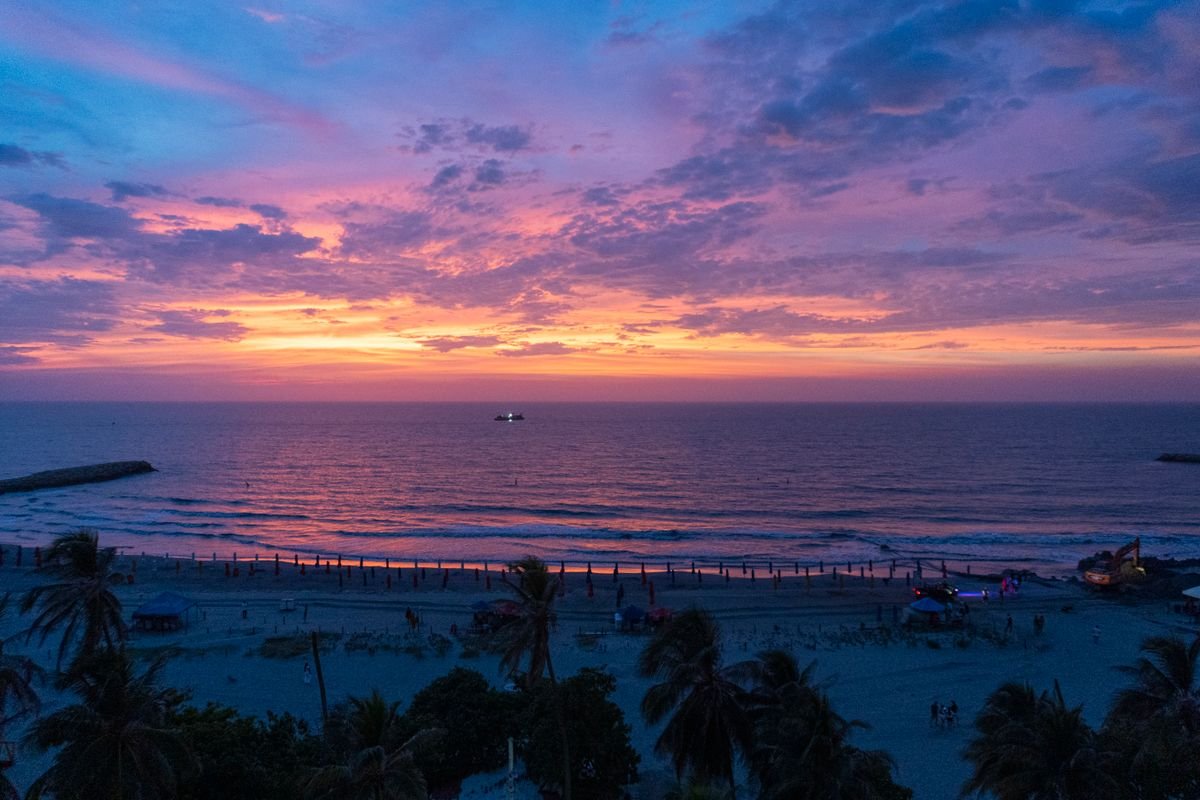
March is the final month of Cartagena’s Caribbean dry season and one of the better value windows to visit. The beaches and colonial city are at their best - clear skies, calm seas, and dry evenings - while the international visitor peak of January and February has largely passed. The main variable is Semana Santa: in years when Easter falls in late March, the city fills with domestic Colombian tourists and hotel prices surge. In years when Easter is in April, March is notably relaxed.
March Weather in Cartagena: Dry Season’s Final Chapter
Cartagena’s dry season runs December through March. By March, conditions are still excellent but the shift toward the wet season is beginning to appear at the edges - humidity rises slightly and afternoon heat becomes more intense.
| Metric | March in Cartagena |
|---|---|
| Average high | 32°C |
| Average low | 25°C |
| Rain days | ~2-4 |
| Sea temperature | 27°C |
| UV index | Very High (10) |
The slight uptick in rain days compared to January and February is rarely disruptive. Most March rain arrives as brief afternoon or evening storms that pass within an hour. Mornings are typically clear throughout the month and ideal for beach days, boat trips, and old-city walking.
Trade winds: The Caribbean trade winds begin to ease in March compared to January and February. This means afternoons feel warmer and the sea is calmer - ideal for snorkelling and swimming but also means slightly more intense midday heat.
Semana Santa in Cartagena: Planning Around Easter
Semana Santa (the week ending on Easter Sunday) is the most significant domestic travel week in Colombia. When Easter falls in late March, Cartagena becomes one of the most popular destinations in the country for Colombian families taking the school holiday.
What changes during Semana Santa:
- Hotels in the walled city and Bocagrande book out two to four weeks ahead
- Restaurant queues and beach crowds increase significantly
- Many local businesses close on Good Friday and Holy Saturday
- Prices across accommodation and tours rise by 20 to 40%
Processions and religious events: Cartagena holds traditional Semana Santa processions through the walled city. The Good Friday procession (Procesión del Santo Sepulcro) passes through the main streets of the old city in the evening and is worth watching if you’re in town.
If visiting during Semana Santa, book accommodation at least three weeks ahead and plan major activities (Rosario Islands, day trips) for the earlier days of the week before crowds peak on the Thursday to Sunday.
If Semana Santa falls in April for your travel year, March in Cartagena is simply a quieter, more relaxed version of peak dry season.
Rosario Islands in March: Last Calm-Season Window
March is the final month for reliably calm conditions at the Islas del Rosario. Sea temperatures remain around 27°C and underwater visibility is excellent for snorkelling over the coral gardens. By April, occasional squalls begin to affect conditions, so March represents the last consistently good window of the dry season.
Boats leave from the Muelle Turistico La Bodeguita from around 8am. Shared day-trip boats with lunch cost approximately COP 140,000 per person as of 2026.
Book the Rosario Islands five-stop tour with lunch or the catamaran option with snorkelling and lunch. Both run throughout March.
Playa Blanca (Isla Barú): Still excellent in March. The overland route via Mamonal (approximately one hour by shared jeep from near the historic city, COP 30,000 to COP 40,000 each way) is a cheaper option than the boat.
Walled City in March: Peak for Walking and Evenings
March’s lower visitor numbers (outside Semana Santa) make it one of the best months for exploring the Ciudad Amurallada without contending with the January and February crowd levels. The evenings are warm and dry - ideal for dinner outdoors or a walk along the city walls at sunset.
City wall circuit: The full walk around the walls takes approximately 90 minutes. The section between the Torre del Reloj and the Baluarte de San Francisco Javier provides the best sea views and is particularly good for the late-afternoon light in March, when the sun sets slightly later than in January.
Casa de Rafael Núñez: The restored home of the former Colombian president and poet is one of the city’s less-visited but worthwhile museums. Located in the El Cabrero neighbourhood just outside the walls. Entry approximately COP 6,000 as of 2026.
Bocagrande at night: The restaurant strip along Bocagrande is more manageable in March than during peak months. Good for a beach-side dinner before a walk back to the walled city.
Guided tours: March is a good month for guided walking tours as group sizes are smaller than in peak season. Cartagena Old Town Walking Tour and the Historic Center and Getsemaní tour both operate with morning and evening departure times.
Things to Do in Cartagena in March
Kayaking in Cartagena Bay
March’s calm seas make kayaking around the bay and the mangrove channels near La Boquilla a viable activity. Several operators run guided kayak tours through the mangroves with a naturalist guide, lasting two to three hours. The tour passes through channels where blue herons, egrets, and kingfishers are commonly seen. Costs from approximately COP 70,000 per person.
Castillo San Felipe de Barajas
The 17th-century fortress above the city is Cartagena’s most visited monument. March’s dry conditions make the open-air fortress walk entirely comfortable. Entry costs approximately COP 45,000 as of 2026 for international visitors. A guided tour inside the fortress adds significantly to the visit - the tunnel network beneath the fort is worth exploring with a guide who can explain the acoustic design. Book a Cartagena old town and fortress tour.
Palenque de San Basilio Day Trip
The village of San Basilio de Palenque, approximately 70km south of Cartagena, is a UNESCO World Heritage site - the first free African community in the Americas, founded by escaped enslaved people in the 17th century. The village retains its own language (Palenquero, a Spanish-African creole) and musical traditions. Day trips from Cartagena run with selected operators and take the full day. March’s dry conditions make the rural access road more reliable than in the wetter months.
Cooking Classes in the Walled City
Several cooking schools in Cartagena offer hands-on sessions in Colombian Caribbean cuisine: coconut fish stew (cazuela de mariscos), arepas de choclo, and ceviche. Half-day sessions run from approximately COP 120,000 to COP 200,000 per person including ingredients and a meal. March is a good month for smaller class sizes than January.
Where to Stay in Cartagena in March
Outside Semana Santa, March accommodation is the most available and reasonably priced of the entire dry season.
Walled City: Mid-range boutique options from approximately COP 250,000 per night in early to mid-March. Search walled city hotels on Booking.com.
Bocagrande: Modern beachfront hotels from approximately COP 160,000 per night in non-Semana Santa March. Good for beach-focused stays. Search Bocagrande accommodation.
Getsemaní: The most budget-friendly option. Hostel dorms from COP 50,000, private rooms in small guesthouses from COP 130,000. March sees normal availability with no need for far-ahead booking except during Semana Santa.
Semana Santa pricing note: During the Easter week itself, expect prices to rise by 20 to 40% across all areas and availability to tighten sharply. Book immediately if Easter falls in late March for your travel year.
Getting to Cartagena in March
Flights from Bogotá: One hour by air from El Dorado (BOG) to Rafael Núñez (CTG). March fares are moderate but rise sharply during Semana Santa week. Book flights to Colombia.
Overland from Santa Marta: Buses run frequently (approximately four hours, COP 30,000 to COP 40,000). A useful option if combining the Caribbean coast.
Airport transfer: Official taxis from Rafael Núñez charge approximately COP 20,000 to COP 30,000 to the walled city. Book an airport transfer.
See our full Cartagena city guide for neighbourhood breakdowns, restaurant picks, and day-trip options.
Plan Your Trip
March bookings split cleanly into two windows: before and during Semana Santa. Easter Holy Week sends Walled City accommodation to its highest rates of the first half of the year - arrive the week before Palm Sunday if you want dry-season Cartagena without the price spike. The Rosario Islands are at their last calm-season window in March; April rains affect sea conditions. If you’re also visiting Popayán’s Semana Santa processions (the most elaborate in Colombia), book Popayán lodging in January - the White City fills faster than Cartagena.
✈️ Book your flights to Colombia 🛡️ Get travel insurance 📱 Stay connected with an eSIM 🏨 Find hotels in Cartagena