Cartagena sits on the Caribbean coast and its food reflects that: seafood cooked simply and well, African-influenced preparations from the enslaved populations brought here during the colonial period, and tropical fruit in quantities that make the inland cities look fruit-poor. The city wall divides two completely different eating experiences — the restored, tourist-facing restaurants inside, and the genuine cooking of a Caribbean port city outside. Both are worth eating in, for different reasons.
The Dishes That Define Cartagena
Arepa de huevo is the most Cartagena-specific food in Colombia. A round of corn dough is par-fried, then opened, a raw egg cracked inside, sealed again, and returned to hot oil until cooked through. The result is a crispy shell with a cooked egg inside, sold from street carts for COP 3,000 to 5,000. They come plain or rellena — with minced meat. They are best eaten immediately. They originated in Luruaco, just outside Cartagena, and remain strongly associated with the Caribbean coast.
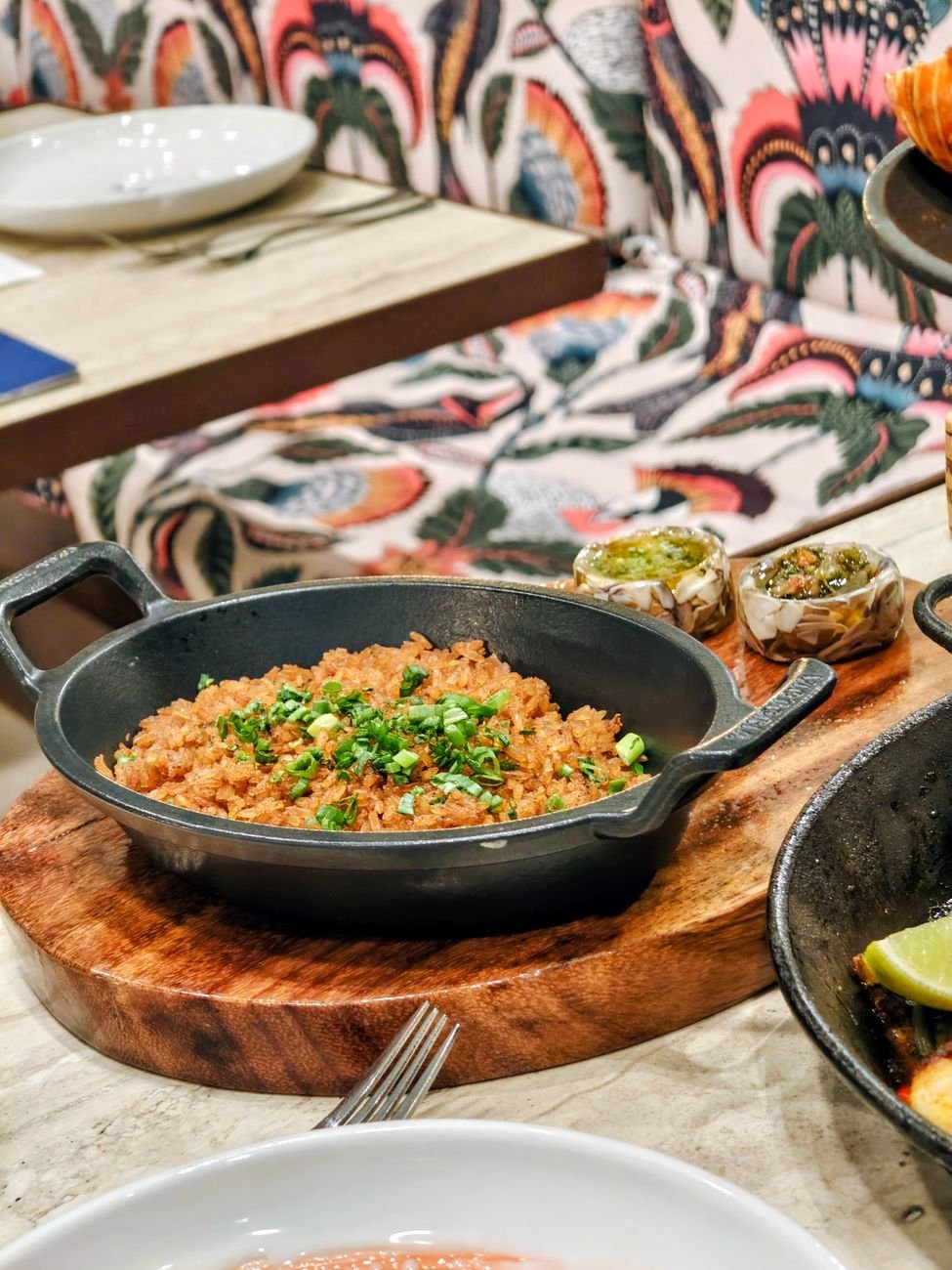
Arroz con coco (coconut rice) is the standard starch across the coast. Rice is cooked in coconut milk and often toasted coconut, giving it a slightly sweet, slightly caramelised edge. It comes in two versions: blanco (white, mildly sweet) and titoté (darker, nuttier, made with the caramelised coconut solids). The titoté version takes longer and is harder to find outside home kitchens — if a comedor is serving it, that is the version to order.
Ceviche costeño differs from the Peruvian style. Here the fish (typically sierra or red snapper) is cooked or partially cooked, mixed with tomato, onion, lime, and often a touch of ketchup — a style that was considered lesser by culinary traditionalists but is what people here grew up eating. La Cevicheria in the walled city has made a name serving it at COP 35,000 to 55,000 per portion; the mercado versions cost COP 8,000 to 15,000.
Sancocho de pescado — a fish broth with yuca, plantain, and corn — is the hangover cure and Sunday lunch of the coast. It is rich, filling, and rarely found on restaurant menus because it takes four hours to make properly. Comedores in Getsemaní and around Bazurto make it when they feel like it. If you see it on a chalkboard, order it.
Empanadas de pipián are filled with hogao (tomato and onion sauce) and sometimes shrimp or potato, fried until golden. COP 1,500 to 3,000 each from street vendors, or COP 3,000 to 5,000 at sit-down spots. Different from the beefier inland empanada.
Patacones — twice-fried green plantain rounds — appear as a side with almost everything. A plate of patacones with hogao costs COP 5,000 to 10,000 and makes a full snack.
Mercado de Bazurto
Bazurto is a 15-minute taxi ride south of the walled city (COP 12,000 to 18,000 from the Clock Tower) and is where Cartagena actually buys its food. It is a large, working, disorganised market: stalls selling whole red snapper and sierra fish still visibly fresh, mounds of yuca, ñame, and plátano, vendors with pilas of achiote and panela, butchers with whole carcasses, and a chaotic outer ring of street food carts.
The food stalls inside the market — row after row of women cooking at large pots over gas burners — serve set lunches for COP 10,000 to 18,000 as of 2026. A typical plate: rice (coconut or white), beans, a piece of fried fish or chicken, patacones, and a soup. This is the cheapest and most authentic eating in Cartagena.
Go in the morning. Arrive by 8am to see the fish section fully stocked. By 11am the best cuts are gone. Wear clothes you don’t mind getting dirty, expect tight spaces and noise, and leave your passport at the hotel. The market is safe in daylight when it is busy.
Search hotels in Cartagena on Booking.com
Getsemaní Street Food
Plaza de la Trinidad is Cartagena’s best evening street food scene. From around 6pm until midnight, vendors set up with frying pans and coolers in the corners of the square. The regulars:
- Arepas de huevo: COP 3,000 to 5,000
- Patacones con hogao: COP 5,000
- Empanadas: COP 2,000 to 3,000 each
- Fresh fruit cups (mango, papaya, pineapple with lime and salt): COP 5,000 to 8,000
- Agua de panela (hot sugarcane juice): COP 2,000
The food and the setting are inseparable. Locals sit outside their homes on plastic chairs watching the square. Children play football around the parked motorcycles. The cumbia soundtrack comes from various directions. Eating here for COP 20,000 is more characteristically Cartagena than a COP 200,000 dinner in the walled city.
Street food in the old city itself — along Calle del Arsenal and near the Clock Tower — tends towards tourist-oriented and overpriced. The same arepa costs twice as much.
Juice and Tropical Fruit
The Caribbean coast has fruit that doesn’t reach the interior. At market stalls and juice bars around Getsemaní:
Tamarind (tamarindo): sold as fresh pods or as a thick sweet-sour concentrate mixed with water. Intensely refreshing. COP 3,000 to 5,000.
Corozo: a small red berry from the Caribbean coast, made into a bright, tart juice unlike anything sold in Bogotá or Medellín. COP 3,000 to 5,000 per glass.
Guanábana (soursop): creamy white flesh with a subtle sweetness and slight acidity, blended with water or milk. COP 4,000 to 6,000 per glass.
Maracuyá (passion fruit): common across Colombia but better on the coast where the fruit ripens differently. COP 3,000 to 4,000.
A jugería (juice bar) with all of these will be visible within two blocks of any market. Ask for them en agua (in water) or en leche (in milk).
Seafood to Order
Cartagena’s fish market may have moved but the city still gets excellent fish. What to order and what you are getting:
Mojarra: a common freshwater/brackish fish, typically fried whole. Soft white flesh, crispy skin. Approximately COP 20,000 to 35,000 at a sit-down restaurant, COP 10,000 to 18,000 at a comedor.
Sierra: a firm-fleshed saltwater fish, often grilled or fried, similar to king mackerel. Excellent in ceviche. COP 25,000 to 45,000 at a restaurant.
Camarones (shrimp): the Caribbean shrimp are smaller than the Pacific variety but sweeter. Typically served al ajillo (garlic butter), in coconut sauce (camarones al coco), or in a cazuela (clay pot stew with vegetables). COP 35,000 to 80,000 at a restaurant depending on portion.
Pargo rojo (red snapper): the premium fish. At Bazurto you can see them whole, dark red, eyes clear. COP 45,000 to 100,000 at a restaurant.
For a full breakdown of Cartagena’s best restaurants by tier — from fine dining at Carmen to reliable mid-range spots in Getsemaní — see our best restaurants in Cartagena guide.
For tours that include market visits, street food walks, and cooking context, food tours in Cartagena connects to local guides who lead Bazurto market visits and Getsemaní street food routes.
Practical Notes
Budget: eating well costs almost nothing if you follow local patterns. A full day of eating — street food breakfast, comedor lunch, Getsemaní street food dinner — runs COP 35,000 to 65,000 (approximately USD 9 to 16 as of 2026).
Water: drink bottled or filtered water, not tap. Juice at a clean jugería is safe. Ice at comedores is usually made from filtered water but use judgement at very informal stalls.
Hygiene: Bazurto and street stalls look chaotic but the cooking turnover is high and food stays hot. Stick to stalls where you can see the food being cooked and there is a queue. Avoid anything that has been sitting out.
Hours: Comedores typically open 7am to 3pm — they sell out and close. Street food vendors in Getsemaní run from around 6pm. Bazurto is at its best before 10am.