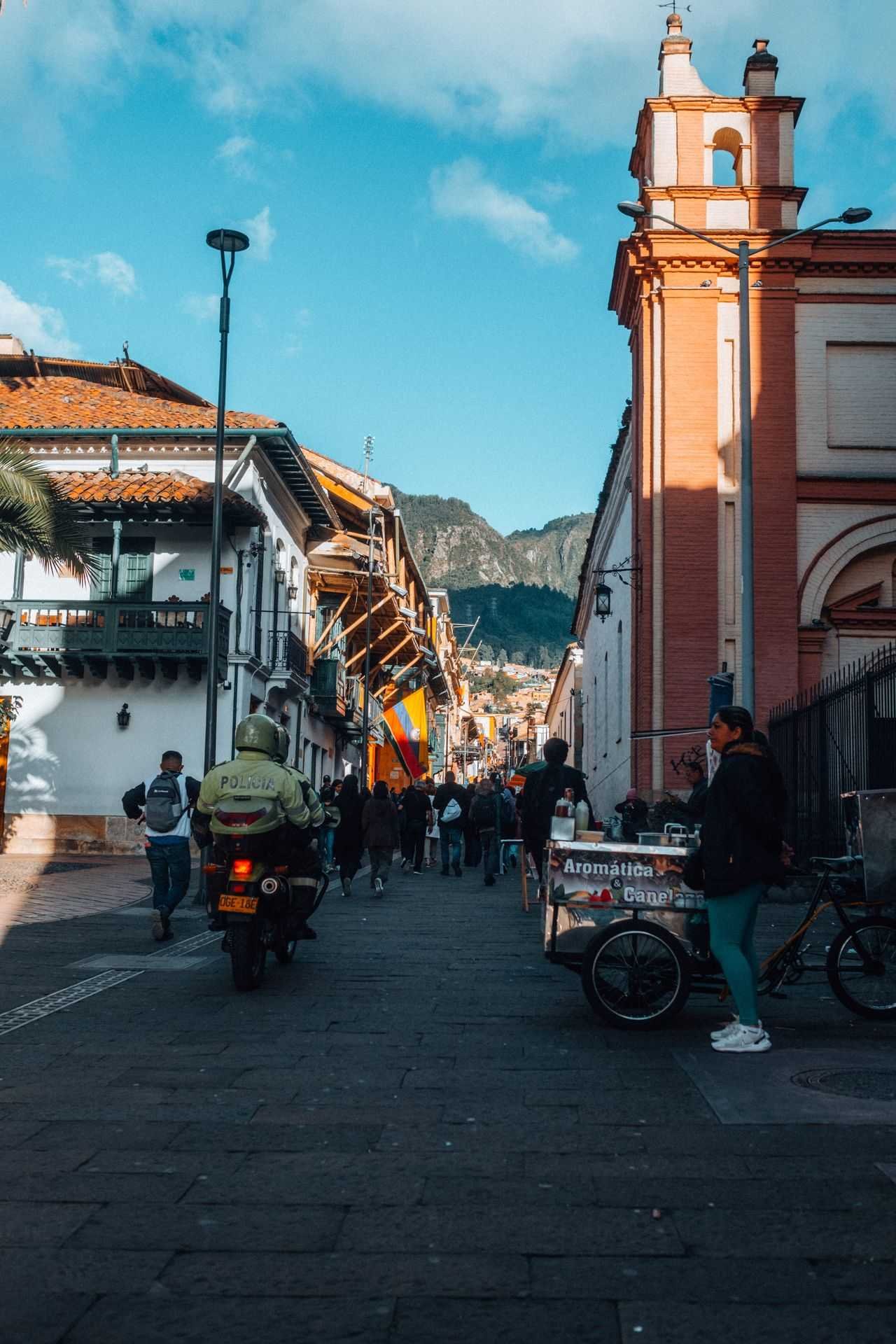
Colombia is one of the most welcoming countries in South America. Colombians are warm, proud of their culture, and genuinely pleased when visitors make an effort to understand and respect local customs. This guide covers the social rules, unwritten expectations, and practical norms you will encounter throughout the country.
Greetings and Social Customs
The standard greeting in Colombia is a handshake between men meeting for the first time. Between women, or between a man and a woman who are acquainted, a single kiss on the right cheek is the norm. In more formal settings or when first introductions are being made, a firm handshake and “mucho gusto” is always appropriate. “Mucho gusto” means “nice to meet you” and is used universally across all social classes and regions.
When greeting a group, work your way around and greet each person individually. Skipping someone is considered rude. Eye contact and a direct greeting signal respect.
Colombians tend to stand closer during conversation than visitors from Northern Europe or North America might expect. Stepping back can come across as cold rather than simply comfortable. Lean into the warmth.
On time: Colombia operates on a flexible social clock. If you are invited to a Colombian home for dinner at 7pm, expect your hosts to still be cooking at 7:30. Arriving 30 to 45 minutes late to a social gathering is perfectly normal. Business meetings, however, run to schedule. Arriving on time to a work appointment is expected and respected.
Dress Codes
Religious sites: Colombia is a deeply Catholic country, and churches are active places of worship, not tourist attractions. At Iglesia de La Candelaria in Bogota, Catedral Basilica in Medellin, and the Las Lajas Sanctuary near Ipiales (one of the country’s most visited pilgrimage sites), you should cover your shoulders and avoid shorts or short skirts. Carry a light scarf or shirt in your bag when you know you are visiting churches. Hats should be removed on entering.
Beaches: The Caribbean coast around Cartagena, Santa Marta, and the Tayrona National Park has a relaxed beach dress code. Standard swimwear is fine on the beach and around beach clubs. Topless sunbathing is not customary. When walking away from the sand into town, cover up: Cartagena’s old city walls and nearby streets expect more than swimwear.
Restaurants and nightlife: Bogota and Medellin have a smart-casual expectation at mid-range and upscale restaurants. At places like El Cielo in Medellin or Andrés Carne de Res in Chia (just outside Bogota), well-fitted clothes and clean footwear are the baseline. Flip-flops at dinner in a rooftop restaurant will draw looks. Most clubs in Zona Rosa (Bogota) and El Poblado (Medellin) have a dress code at the door; trainers, vests, and beachwear are commonly refused entry.
Everyday dress: Colombians dress neatly in everyday life. Appearing in scruffy or overly casual clothes in public marks you as a tourist. A clean, put-together look is a baseline expectation, particularly in Bogota and Cartagena.
Tipping Culture
Restaurants: Most sit-down restaurants add a 10% service charge, called “propina voluntaria,” to the bill. The waiter will typically ask if you want to include it. The standard answer is yes, and it goes directly to the staff. At casual places like a corrientazo (set-lunch spot) or a street food stall, tipping is not expected.
Taxis: Tipping taxi drivers is not required, but rounding up the fare is a common courtesy. If a fare is COP 18,500, paying COP 20,000 is appreciated. For Uber and InDriver trips, drivers rate passengers, so leaving a good rating and the occasional small tip for excellent service is worthwhile.
Hotels: Porters expect a tip of around COP 5,000 to 10,000 per bag. Housekeeping is typically tipped COP 5,000 to 10,000 per day, left on the pillow or nightstand at the end of your stay.
Tour guides: Private guides at sites like the Gold Museum in Bogota, Coffee Region farm tours around Salento, or a guided hike up Piedra del Penol near Guatape should receive COP 20,000 to 50,000 for a half-day and upwards of COP 50,000 to 80,000 for a full day. Group tour guides receive less per person, but a COP 10,000 to 20,000 contribution per participant is appropriate.
Hairdressers and beauty services: Tipping 10% is customary at salons in cities.
Dining Etiquette
Wait to be seated in any restaurant with table service. Walking in and sitting at any available table without acknowledgment from a host is considered impolite. In busy restaurants, making eye contact with a waiter to indicate you are ready to order is the norm rather than calling out or snapping fingers.
Meals in Colombia are a social occasion. Conversations linger. Do not rush through food, and do not ask for the bill before your dining companions have finished. It is common to split bills (pagar a la lata), but if someone says “yo invito” (my treat), accept graciously and reciprocate on a different occasion.
The main meal of the day is lunch, not dinner. A set lunch menu (almuerzo ejecutivo) is available at most restaurants from around noon to 3pm and typically includes soup, a main plate with rice, beans, and protein, and a small juice or drink. In rural areas and smaller towns, dinner may be a lighter meal.
Colombians do not eat with their hands in formal settings. Even arepas, empanadas, and bandeja paisa are often eaten with cutlery when seated at a table.
Behaviour as a Guest in a Colombian Home
Being invited into a Colombian home is an honour. Arrive with a small gift: a cake, chocolates, or a bottle of wine is the standard. Arriving empty-handed to a dinner invitation is considered rude.
Accept whatever food or drink is offered. Refusing multiple times can cause offence. If you have dietary restrictions, communicate them in advance; your host will go out of their way to accommodate you.
Compliment the food. Colombians take pride in cooking and hospitality. Comments on the meal, the home, and the family are welcomed.
Children are central to Colombian family life. Acknowledging and being warm towards children in the household is expected. Ignoring them is noticeable.
Photography and Respect
Always ask before taking photos of people, particularly in indigenous communities in the Sierra Nevada de Santa Marta or the Amazonian communities near Leticia. Palenqueras (fruit sellers in traditional dress) in Cartagena’s old town frequently charge a small fee for photos; this is their right and the agreed norm in the area.
At religious ceremonies and processions, including Semana Santa (Holy Week) events in Popayan or Mompox, limit photography and be discreet. Photographing police officers, military checkpoints, or government buildings is inadvisable and may attract unwanted attention.
Religious and Cultural Sensitivities
Colombia is approximately 75% Catholic. Religion shapes the national calendar, family life, and social norms. Public criticism of the Catholic church, its clergy, or religious practices is likely to cause discomfort among Colombian hosts. Keep scepticism to yourself.
The narcotics history of Colombia is a real and painful subject. Jokes about cocaine, Pablo Escobar, or the cartel era are deeply offensive to most Colombians. This is especially true in Medellin, where the Escobar era caused direct, personal suffering for hundreds of thousands of families. Narco tourism is a term Colombians use with embarrassment, not pride. Show respect by avoiding the subject unless Colombians raise it themselves.
Colombians are fiercely proud of their country and its transformation over the past two decades. Focusing on its beauty, food, music, and people rather than its troubled history is the surest way to build genuine connection.