Colombia’s tourism sector has undergone one of the most dramatic transformations in travel industry history. A country that was largely inaccessible for international tourism due to security concerns in the 1990s and early 2000s has emerged as one of Latin America’s fastest-growing and most compelling destinations. Here is the full picture in numbers, drawn from ProColombia, MinCIT (Ministerio de Comercio, Industria y Turismo), and Bancolombia data.
International Arrivals: Colombia’s Growth Story
In 2023, Colombia received approximately 5.0 million international tourists - a new record and a striking sign of how thoroughly the country has repositioned itself internationally.
The trajectory since 2016:
- 2016: 2.8 million arrivals (tourism begins accelerating after FARC peace deal)
- 2018: 3.9 million arrivals
- 2019: 4.5 million arrivals (pre-pandemic record)
- 2020: 1.7 million (COVID collapse - down 62%)
- 2021: 2.2 million (partial recovery)
- 2022: 4.1 million (surpassed 2019 levels by mid-year)
- 2023: 5.0 million (new record)
- 2024 (preliminary): Estimated 5.3–5.6 million
Colombia’s recovery from COVID was faster than most regional peers, partly because domestic tourism compensated early and partly because the destination’s growth momentum - established between 2016 and 2019 as a consequence of the peace process and major international media coverage - resumed quickly once borders reopened.
Tourism Revenue
International tourism generated approximately $5.5–6 billion USD in 2023, a record for Colombia and roughly double the 2016 figure. Tourism is now one of Colombia’s top five foreign exchange earners, competing with remittances, coal, and non-traditional agricultural exports.
Average spending per international tourist is approximately $1,100–1,300 per trip, with significant variation by origin. US and European visitors tend to stay longer and spend more, particularly those visiting multiple cities (Bogotá–Medellín–Cartagena is the classic circuit). Business travel to Bogotá (Colombia’s position as the third-largest business city in Latin America after São Paulo and Mexico City) contributes high-value conference and corporate overnight stays year-round.
Where Visitors Come From
Colombia’s source market mix combines proximity-driven volumes from neighbouring countries with meaningful long-haul traffic from North America and Europe.
Top source markets by arrivals (2023 estimates, ProColombia/MinCIT):
| Country | Approximate share |
|---|---|
| United States | ~24% |
| Ecuador | ~10% |
| Venezuela | ~9% (includes significant non-tourism arrivals) |
| Panama | ~7% |
| Mexico | ~6% |
| Peru | ~5% |
| Brazil | ~5% |
| Argentina | ~4% |
| Spain | ~4% |
| Canada | ~3% |
| All others | ~23% |
The US market generates by far the most total tourism revenue despite being second only to Ecuador in some border-crossing-adjusted counts. The growing number of US direct routes to Medellín (El Dorado and José María Córdova airports) has been a significant driver. European arrivals - particularly from Spain, Germany, France, and the UK - are growing faster than the headline share suggests as Colombia becomes a mainstream long-haul destination.
Most Visited Destinations
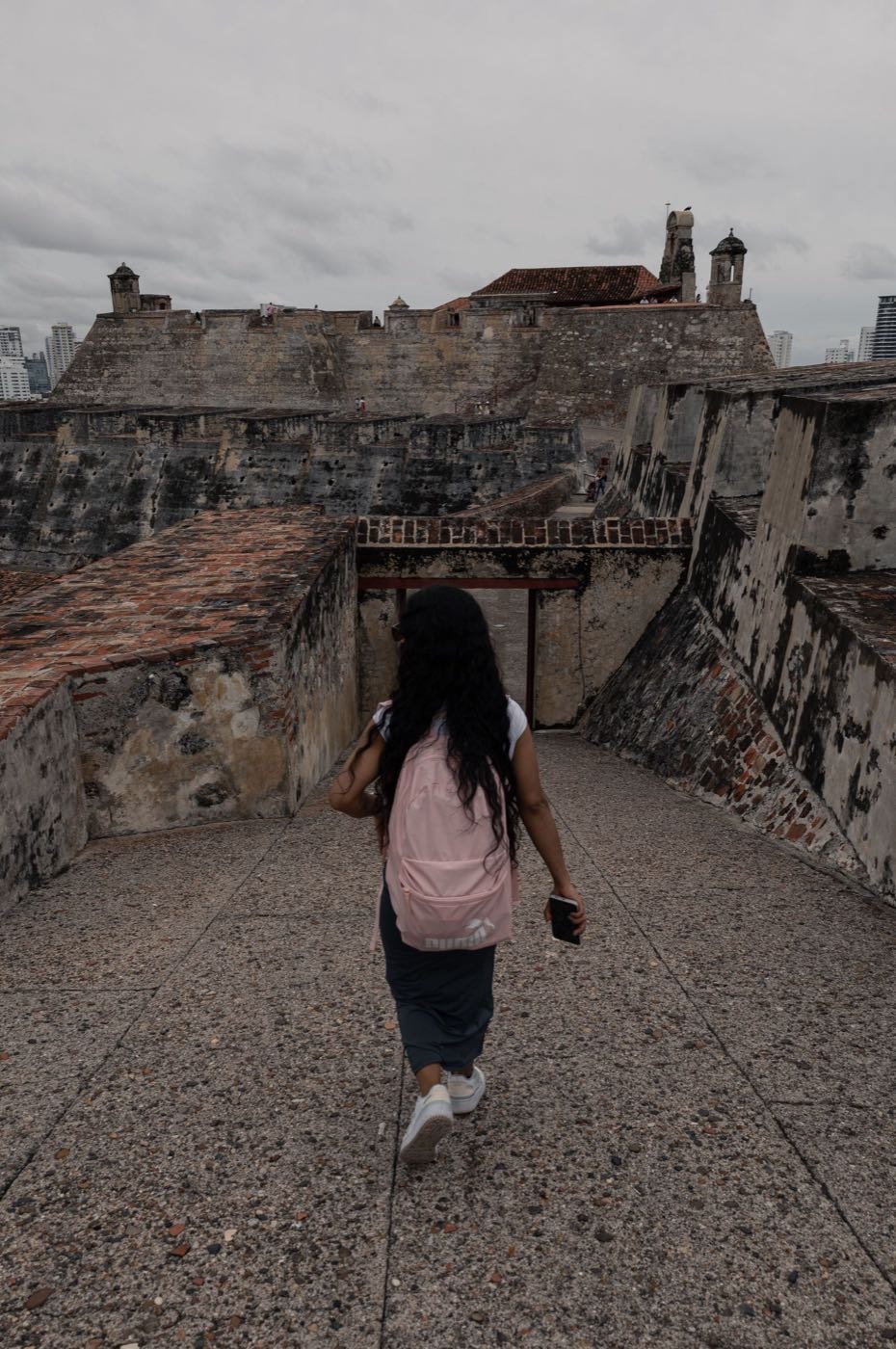
Cartagena de Indias is Colombia’s most iconic international tourism destination, receiving approximately 1.5–2 million international visitors per year. The walled colonial city (a UNESCO World Heritage Site since 1984) and its Getsemaní neighbourhood attract cultural tourists; the Bocagrande peninsula and Rosario Islands serve beach and resort travellers. Cruise passengers represent a significant but economically smaller-impact segment - Cartagena is one of the Caribbean’s busiest cruise ports.
Bogotá is Colombia’s primary air gateway and is rapidly evolving as a cultural tourism destination in its own right. The La Candelaria historic centre, the Gold Museum (Museo del Oro), the Botero Museum, the Zona Rosa and Usaquén dining scenes, and the graffiti tours of La Candelaria have transformed visitor perception. Bogotá receives the most total international arrivals of any Colombian city due to its hub airport, though many visitors continue to other destinations.
Medellín has become Colombia’s most talked-about tourism narrative internationally. The city transformed from murder capital to innovation hub between the 1990s and 2010s, and that transformation story - combined with an extraordinary spring-like climate (the “eternal spring” at 1,500m elevation), world-class gastronomy, cable car urban mobility, and a thriving digital nomad community - has made it one of the fastest-growing international city breaks in Latin America. Medellín received approximately 600,000–800,000 international visitors in 2023.
The Coffee Region (Eje Cafetero) is an increasingly popular cultural tourism circuit centred on Salento, Armenia, Pereira, and Manizales. The UNESCO-listed Coffee Cultural Landscape draws visitors for colonial architecture, coffee farm experiences, hiking to El Mirador (the famous wax palm valley at the Cocora Valley), and a relaxed pace that contrasts with the energy of Bogotá and Medellín.
The Caribbean Coast beyond Cartagena includes Santa Marta (gateway to Tayrona National Park and the Lost City/Ciudad Perdida trek) and Barranquilla (famous for Colombia’s largest carnival, the Carnaval de Barranquilla). Tayrona National Park - considered by many visitors the most beautiful beach national park in South America - receives approximately 300,000–400,000 visitors annually and operates an entry quota system.
The Amazon Basin (Leticia) and Los Llanos (Casanare, Meta) attract specialist eco-tourists and wildlife watchers, particularly birders - Colombia is the world’s most biodiverse country for bird species with over 1,900 recorded species, more than any other country on earth.
Domestic Tourism
Colombia’s domestic tourism market is substantial - approximately 50–60 million domestic trips annually by Colombian residents. Cartagena and Santa Marta are the dominant domestic beach destinations, while the Coffee Region, San Andrés Island (a Caribbean island with free port status), and Villa de Leyva attract strong domestic cultural tourism. Medellín has become the most popular domestic city break destination for Colombians from Bogotá and Cali.
UNESCO Heritage and Natural Assets
Colombia has 9 UNESCO World Heritage Sites including Cartagena’s port and fortifications, the Coffee Cultural Landscape, the San Agustín Archaeological Park, the Los Katíos National Park, and the historic centre of Santa Cruz de Mompox. As noted, Colombia holds the global record for bird diversity, and its extraordinary range of ecosystems - Caribbean coast, Andean highlands, Amazon basin, Pacific rainforest, Orinoquía grasslands - makes it one of the world’s most biodiverse countries overall.
Employment and Economic Weight
Tourism supports approximately 1.9 million direct and indirect jobs in Colombia, concentrated in Cartagena, Bogotá, Medellín, and the Coffee Region. The sector contributes approximately 3.5–4% of GDP directly.
Hotel investment has accelerated significantly, particularly in Medellín and Bogotá, as international hotel chains have entered the market. The number of international standard hotel rooms in Colombia’s main cities doubled between 2015 and 2023, responding to both business travel demand and growing leisure international arrivals.
Key Takeaways
Colombia’s tourism economy has structurally transformed in the past decade - from largely inaccessible to one of Latin America’s top-5 destinations. The challenge ahead is distributing growth beyond the Bogotá–Medellín–Cartagena triangle and ensuring that community benefits from tourism reach the Pacific coast and Amazonian communities that have the highest biodiversity assets but currently receive the fewest visitors.