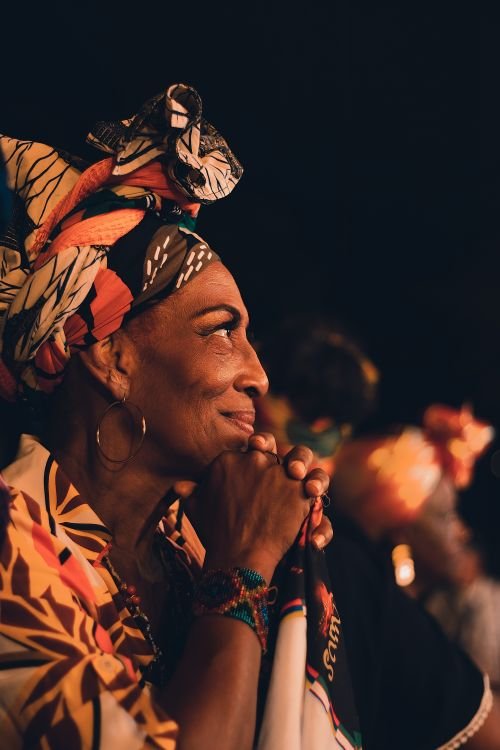
Every year between December 25 and January 2, Cali turns into the most rhythmically intense city in South America. The Feria de Cali is not just a music festival - it’s eight consecutive nights where salsa permeates every street corner, every bar, and every park, and where the city’s half-million caleño salsa dancers put on a display that visitors genuinely struggle to describe to people who weren’t there.
If you’re planning a Colombia trip for late December, timing it around the Feria is one of the best decisions you can make. Here’s everything you need to plan it properly.
What Is the Feria de Cali?
The Feria de Cali (formally the Feria Internacional de Cali) began in 1957 as a commercial trade fair. It evolved over decades into a celebration of caleño culture, with salsa dancing at its absolute centre. Today it’s consistently ranked among South America’s largest annual events, drawing around 2 million visitors over its eight-day run.
The festival is officially organised by the Cali city government, which coordinates hundreds of events across the city - from free neighbourhood parties in working-class barrios to ticketed stadium concerts featuring Colombia’s top salsa orchestras. What makes it different from most music festivals is that participation is the point: this is not a spectator event. Locals expect you to dance, or at least try.
Key Events and What to Expect
The Salsódromo
The opening event on December 25 or 26 (dates shift slightly each year) is a parade along Avenida 6N in the Granada neighbourhood. Dozens of salsa schools and companies send their dancers through - thousands of performers in elaborate costumes, accompanied by live caleño orchestras and recorded sets. Watching from bleacher seats along the route gives the best view. Tickets range from approximately COP 50,000 to COP 120,000 as of 2026, though premium seats near the judges’ section cost more.
If you want to book seats, check the official Feria de Cali website (feriadelospilos.com) or local ticketing platforms like Tu Boleta around October when they go on sale. Tickets sell out for the best sections.
Derroche de Alegría Concerts
These are the main evening concerts held at the Estadio Pascual Guerrero and the Feria grounds near the Palacio de los Deportes. Major Colombian salsa artists - Grupo Niche, Chocquibtown, La-33, and international guests - play across the festival nights. Expect concerts to start around 8pm and run past 2am. Tickets range from COP 80,000 to COP 250,000 depending on the artist and zone.
Noches de Salsa (Salsa Nights)
Each evening, dozens of salsa venues across the city - particularly in the Juanchito district to the south - host extended sets. These are not festival add-ons; they’re the real thing. Juanchito, which operates year-round as Cali’s salsa heartland, runs continuous music from around 9pm until dawn during the Feria. Cover charges are typically COP 20,000–50,000.
Verbenas Populares (Neighbourhood Parties)
The most authentic Feria experience for many visitors is the neighbourhood verbenas - block parties organised in residential areas across the city. These are free to enter, run from mid-afternoon well into the night, and feature local salsa bands rather than big commercial acts. Barrios like Alameda, San Cayetano, and parts of the south side host excellent verbenas that most tourists never find.
Salsa World Congress
The Cali Salsa World Congress runs concurrently during the Feria, typically from December 27–31, with international salsa workshops, competitions, and social dancing for registered participants. If you dance, this is worth checking separately - it attracts instructors and performers from across Latin America, Europe, and the US.
Where to Stay During the Feria
Book accommodation at least two to three months in advance. Prices roughly double across the city during the eight festival days, and quality rooms sell out entirely.
Search hotels in Cali on Booking.com
El Peñón and Granada are the best neighbourhoods for festival proximity. Peñón is walkable to the Salsódromo route and close to the main salsa bars on Avenida 5N. Granada is slightly upmarket with better restaurant options. Expect to pay approximately COP 280,000–450,000 per night for a mid-range hotel room, compared to COP 150,000–250,000 outside festival weeks.
San Antonio is a quieter, slightly bohemian neighbourhood on a hill above the city centre. A 10-minute taxi ride from the main Feria action, but calmer if you need genuine sleep between nights out. Mid-range options here run COP 200,000–350,000 during the festival.
Juanchito itself is not recommended for staying - it’s an industrial zone that’s only animated at night. Stay in El Peñón or Granada and taxi south to Juanchito for the late-night salsa clubs.
Avoid booking in the Centro Histórico near San Francisco church for the Feria - the neighbourhood gets very crowded and is harder to navigate on foot at night.
Tickets: What’s Free and What Costs Money
| Event | Cost (approx. as of 2026) | Where to Buy |
|---|---|---|
| Street verbenas | Free | Just show up |
| Salsódromo parade seats | COP 50,000–120,000 | Tu Boleta / feriadelospilos.com |
| Derroche concerts (general) | COP 80,000–150,000 | Tu Boleta |
| Derroche concerts (VIP) | COP 200,000–350,000 | Tu Boleta |
| Juanchito salsa clubs | COP 20,000–60,000 cover | At the door |
| Salsa World Congress | Varies by package | Congress website |
Practical Tips
Get there a day early. December 24 (Christmas Eve) in Cali is already lively, with family-oriented pre-Feria events. Arriving on December 23 or 24 lets you settle in before the main crowds hit.
Learn the basics beforehand. Caleño salsa (also called salsa en línea or salsa cali-style) is danced on the 2-beat, feet close together. It looks completely different from Cuban salsa or New York-style salsa. Even knowing the footwork pattern makes participation infinitely more fun. Many hostels and dance schools in Cali offer tourist-friendly crash courses year-round.
Transportation within the city. During the Feria, street traffic is heavy and finding taxis on the street at 2am can be frustrating. Download Cabify or InDriver before you arrive - both work reliably in Cali. The MIO bus rapid transit system is cheap but crowded during peak festival hours.
The Feria runs very late. Concert finales often hit around 2–3am. Plan for full eight-hour nights if you want the complete experience, or pick two or three key events to attend rather than trying to do everything.
Smaller cities in Valle del Cauca also celebrate. Towns like Palmira, Buenaventura, and Tulúa hold their own smaller feria events during the same period if you want a less crowded experience on certain days.
Is It Worth Visiting for the Feria Specifically?
Yes - unambiguously. Cali is worth visiting any time of year for its salsa culture, food, and weather. But the Feria concentrates everything the city does best into eight consecutive nights and adds a collective energy that’s genuinely unlike any other festival in South America. The combination of free neighbourhood parties, ticketed world-class concerts, late-night salsa clubs, and street dancing means there’s an entry point regardless of your budget or how well you dance.
The main trade-off is cost: accommodation prices are substantially higher, and you’ll spend more on tickets than you would outside December. Plan the budget accordingly, book rooms early, and the Feria de Cali will likely be the trip highlight you didn’t expect.
Plan Your Trip
✈️ Book your flights to Colombia 🛡️ Get travel insurance 📱 Stay connected with an eSIM 🚗 Rent a car