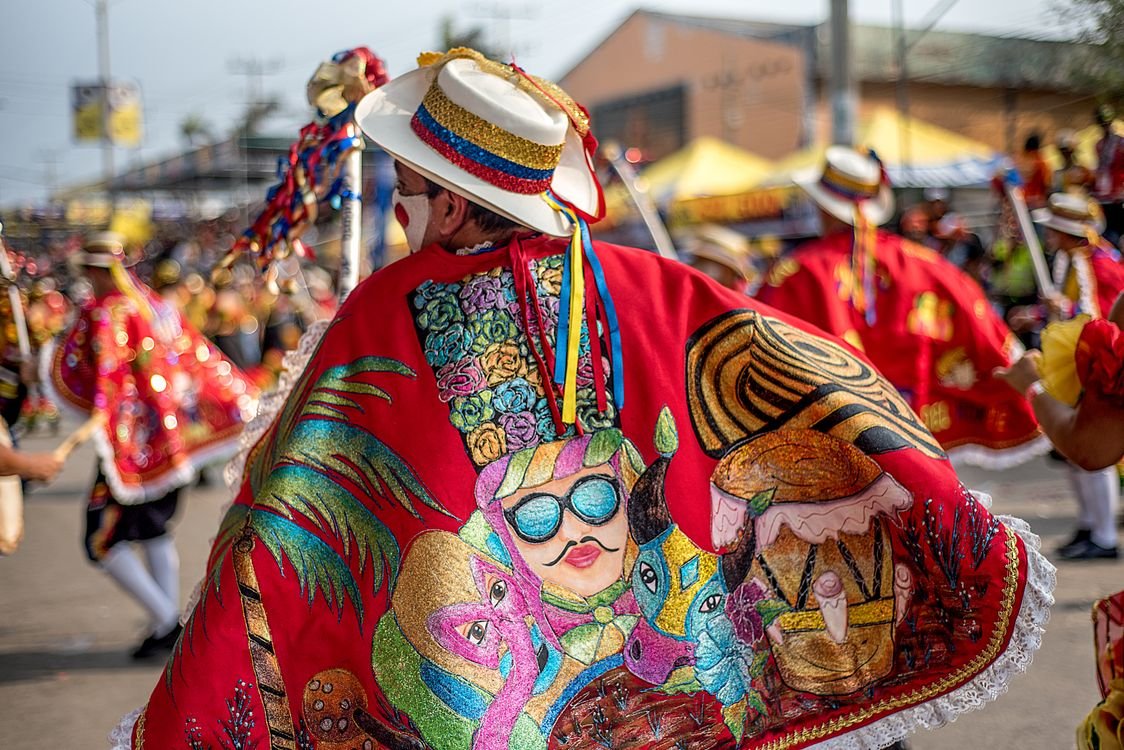
Manizales in January is a different city from the rest of the year. The capital of the Caldas department and one of the three cities in Colombia’s Eje Cafetero (Coffee Region) hosts its annual international festival during the first two weeks of January - a concentrated period of folklore performances, cultural parades, beauty pageants, live music, and, controversially, bullfighting. It’s one of the country’s oldest and most distinctive urban festivals, drawing visitors from across Colombia and a growing number of international tourists who combine it with a coffee region trip.
Background: What Is the Festival de Manizales?
The Feria Internacional de Manizales has been held since 1954, making it one of Colombia’s longest-running annual festivals. It was established to celebrate the founding of Manizales (the city was founded in 1849) and to promote the cultural traditions of Caldas, a department with deep roots in Andean folklore, coffee farming, and the paisa cultural tradition.
Unlike Cali’s Feria, which centres almost entirely on salsa, Manizales is broader in scope: it combines folklore and traditional Colombian dance, theatrical and musical performances, a Miss Colombia-adjacent beauty pageant, the corrida (bullfighting season), and street-level popular celebrations. The result is a festival that means different things to different visitors - some come for the folklore, some for the concerts, some for the coffee region context, and some arrive without knowing there’s a festival at all.
Key Events
Desfile de Mitos y Leyendas (Parade of Myths and Legends)
This is the festival’s most distinctive event - a night parade through the city centre featuring elaborate floats and costumed performers representing figures from Colombian and Latin American mythology, folklore, and legend. The parade dates to the early festival years and has grown into one of the most visually striking processions in the country. Performers depict everything from pre-Columbian indigenous figures to colonial-era ghosts to characters from García Márquez novels.
The parade runs along Carrera 23 through the historic centre. It’s free to watch from the street, though viewing spots along the main route fill up fast - arrive 90 minutes early if you want a good position near Parque Caldas.
Folklore Performances and Cultural Shows
Throughout the festival week, stages are set up in Parque Caldas, Cable Plaza, and the Teatro Los Fundadores for free and ticketed performances of traditional Colombian folk dance. This includes Bambuco (Colombia’s official national dance), Mapalé, Cumbia, and regional Andean styles specific to the Eje Cafetero. Evening shows at Teatro Los Fundadores tend to be higher production quality, with tickets in the range of COP 30,000–80,000 as of 2026.
The Corrida Season
The Plaza de Toros El Santuario hosts the Temporada Taurina during the festival - typically 4 to 6 bullfights over the festival week, featuring Spanish and Colombian matadors. This is the most polarising element of the festival. Bullfighting remains legal in Colombia (protected under a 2019 constitutional court ruling as a cultural tradition), but public debate around it is ongoing and protests sometimes occur near the plaza.
If you choose to attend, tickets range from approximately COP 60,000 (sol, sunny side) to COP 250,000 (sombra, shaded premium sections) as of 2026. The plaza is near the city centre on Avenida 12 de Octubre. If you prefer to avoid it, the rest of the festival is easily experienced without any proximity to the corrida.
Conciertos de Noche (Evening Concerts)
Free and paid concerts run nightly during the festival in the main plazas. Colombian vallenato, rock, pop, and folkloric acts perform across different venues. The free shows in Parque Caldas are often the most atmospherically Colombian - local families, street food vendors, and a crowd that ranges from teenagers to grandparents.
Reinado Internacional del Café
The International Coffee Queen pageant is one of the festival’s older traditions - candidates from Colombian departments and international coffee-producing countries compete over several days. If pageants interest you, the final gala event at Teatro Los Fundadores is the main draw. If they don’t, this runs in parallel with the rest of the festival and is easy to ignore.
For a curated experience of the festival’s highlights and hidden cultural traditions, guided tours and activities are available through local operators to help you navigate the two-week schedule.
Getting Around Manizales During the Festival
Manizales is a hilly city built along a mountain ridge - some streets have gradients that make walking tiring. The city’s iconic cable car (teleférico) connects the lower city near the bus terminal to Cable Plaza in the north, offering good views over the Andes and a useful transit link. Cable car fare is approximately COP 4,000–6,000 as of 2026.
Taxis and apps (InDriver is widely used in Manizales) handle the hill gradients without issue. Parking is severely limited during the festival - don’t try to drive a rental car during the main event days.
Where to Stay
Manizales has limited international hotel inventory compared to Bogotá or Medellín. Book at least 6–8 weeks in advance for January dates.
Search hotels in Manizales on Booking.com
City centre / Parque Caldas area puts you walking distance from most festival events. Mid-range hotels here run approximately COP 200,000–380,000 per night during the festival as of 2026. Options include several reliable business hotels on Carreras 22–25.
Cable Plaza area is quieter, slightly more upmarket, and a short cable car ride from the centre. Better suited if you want evening retreats from the noise.
Hostels in El Cable neighbourhood are popular with international travellers and generally fill up fast in January. Budget beds run COP 60,000–100,000 per night.
For visitors combining the festival with a Eje Cafetero coffee farm stay, note that the haciendas around Salento and Armenia (roughly 1.5–2 hours south) are not in Manizales but provide a good base for day trips if you have a vehicle.
Combining Manizales with the Coffee Region
January is a reasonable time to visit the Eje Cafetero - it’s in the dry season for the Caldas highlands. After the festival, Manizales is a practical base for:
- Salento (2 hours by bus via Armenia) - the Quindío coffee region’s most photogenic town, with Valle de Cocora wax palms accessible on foot or horseback
- Hacienda Venecia or Hacienda Guayabal - working coffee farms near Chinchiná (45 minutes from Manizales) offering tours and accommodation
- Nevado del Ruiz - the active volcano in Los Nevados National Park is 2–3 hours from Manizales by road; access requires the park to be open (check current status - restrictions apply when activity levels are elevated)
Practical Notes
Weather in January: Manizales at 2,150m elevation is noticeably cooler than the Colombian coasts or Bogotá lowlands. Days are mild (17–20°C), evenings cool (12–14°C). A light jacket or fleece is essential for outdoor evening events. January is in the dry season for this region, so rain is less frequent than in April or October, though short afternoon showers can occur.
Language: English is limited outside major hotels. Festival signage is Spanish-only. Spanish basics will help significantly in Manizales compared to more tourist-developed cities.
Budget: The festival itself skews affordable - most street events are free, and even ticketed concerts rarely exceed COP 80,000. The main expense is accommodation. A comfortable budget including accommodation, meals at local restaurants, and a couple of ticketed events runs approximately USD 50–80 per day as of 2026.
Safety: Manizales is generally considered one of the safer mid-sized Colombian cities. The festival areas are well-policed. Standard urban precautions apply - don’t display expensive equipment, use app-based taxis at night.
The Festival de Manizales won’t be everyone’s first choice in Colombia’s festival calendar - Cali’s Feria and Barranquilla’s Carnaval are larger and more internationally famous. But for travellers who want to combine a genuine Colombian cultural festival with coffee region exploration in a city that hasn’t been overrun by tourism, January in Manizales is a compelling combination.
Plan Your Trip
✈️ Book your flights to Colombia 🛡️ Get travel insurance 📱 Stay connected with an eSIM 🚗 Rent a car