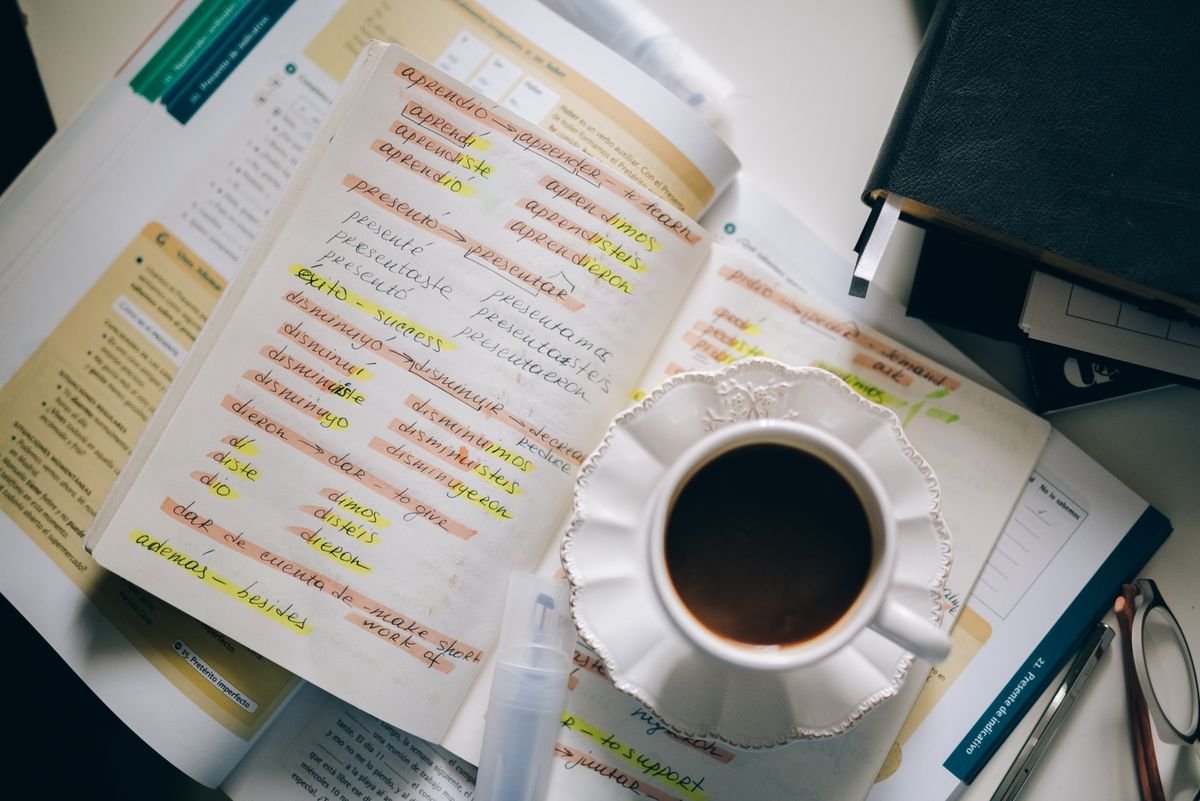
Colombia is one of the best places in South America to learn or practice Spanish. Colombians - particularly those from Bogotá and the Andean interior - speak with a clear, neutral accent that is widely considered the most comprehensible in Latin America. They enunciate fully, avoid swallowing syllables, and rarely use the rapid-fire pace found in coastal Spanish. If you only speak Spanish from a textbook, Colombian Spanish will feel reassuringly familiar.
English is spoken in tourist-facing businesses in Medellín’s El Poblado, Cartagena’s walled city, and Bogotá’s Zona Rosa, but step even a few streets outside those zones and you are in Spanish-only territory. Learning a core set of phrases does more than help you order food - Colombians respond warmly to any visitor who makes the effort, and even a few words will open conversations that a translation app never could.
The Language: Spanish in Colombia
The official and near-universal language is Spanish (español or castellano). Colombia has no widely-spoken indigenous language that visitors need to account for, though dozens of indigenous languages survive in remote Amazonian and Pacific communities. In everyday travel, Spanish is all you need.
Colombia uses the standard 26-letter Latin alphabet - no special script, no tonal system. The key pronunciation differences from European Spanish:
- No lisp: Colombians say cerveza as sehr-BEH-sah, not the Castilian “therveth-ah”
- S is always sharp: never dropped at the end of words, unlike Caribbean Spanish
- LL and Y sound like English Y: llave (key) = YAH-veh
- J sounds like a soft H: jamón = hah-MON
- Vowels are clean and consistent: A = “ah”, E = “eh”, I = “ee”, O = “oh”, U = “oo” - no diphthongs that shift mid-vowel
Stress falls on the second-to-last syllable unless a written accent (´) indicates otherwise.
Colombian Spanish Quirks Worth Knowing
“¿Cómo así?” - literally “how like that” - means “could you repeat/explain that?” Colombians use it constantly.
“Listo” - technically “ready,” but Colombians use it as a universal affirmation: “got it,” “sure,” “done,” “sounds good.” You will hear it dozens of times a day.
“Bacano” - Colombian slang for “cool” or “great.” Widely understood across the country.
“Parce” / “Parcero” - informal for “mate” or “buddy.” Medellín slang that has spread nationally; fine among friends, overly casual with strangers.
Usted vs. tú: Colombians, especially in Bogotá and Antioquia, use the formal usted even with friends and family - more so than any other Latin American country. Using usted with a stranger is always safe and never sounds stiff here.
Greetings and Everyday Courtesy
| Phrase | Pronunciation | Meaning |
|---|---|---|
| Hola | OH-lah | Hi |
| Buenos días | BWEH-nohs DEE-ahs | Good morning |
| Buenas tardes | BWEH-nahs TAR-dehs | Good afternoon |
| Buenas noches | BWEH-nahs NOH-chehs | Good evening / Good night |
| ¿Cómo está usted? | KOH-moh ehs-TAH oos-TEHD | How are you? (formal) |
| Bien, gracias | BYEHN, GRAH-syahs | Fine, thank you |
| Por favor | por fah-BOR | Please |
| Gracias | GRAH-syahs | Thank you |
| Muchas gracias | MOO-chahs GRAH-syahs | Thank you very much |
| De nada | deh NAH-dah | You’re welcome |
| Con mucho gusto | kohn MOO-choh GOOS-toh | With pleasure (common Colombian reply to thanks) |
| Perdón / Disculpe | pehr-DOHN / dees-KOOL-peh | Sorry / Excuse me |
| No entiendo | noh ehn-TYEHN-doh | I don’t understand |
| ¿Puede hablar más despacio? | PWEH-deh ah-BLAR mahs dehs-PAH-syoh | Can you speak more slowly? |
| ¿Habla inglés? | AH-blah een-GLEHS | Do you speak English? |
| Adiós / Hasta luego | ah-DYOHS / AHS-tah LWEH-goh | Goodbye / See you later |
Etiquette note: Greet every individual separately when entering a small shop, taxi, or home. Walking in silently is considered rude. A simple “buenas” (BWEH-nahs) covers any time of day and is the most natural shorthand.
Getting Around: Transport Phrases
| Phrase | Pronunciation | Meaning |
|---|---|---|
| ¿Dónde está…? | DOHN-deh ehs-TAH | Where is…? |
| ¿Cómo llego a…? | KOH-moh YEH-goh ah | How do I get to…? |
| Quiero ir a… | KYEH-roh eer ah | I want to go to… |
| ¿Cuánto cuesta? | KWAN-toh KWES-tah | How much does it cost? |
| ¿Hay un bus a…? | eye oon boos ah | Is there a bus to…? |
| La terminal de buses | lah tehr-mee-NAL deh BOO-sehs | The bus terminal |
| El aeropuerto | ehl ah-eh-roh-PWEHR-toh | The airport |
| A la derecha | ah lah deh-REH-chah | To the right |
| A la izquierda | ah lah ees-KYEHR-dah | To the left |
| Siga recto | SEE-gah REHK-toh | Straight ahead |
| Pare aquí, por favor | PAH-reh ah-KEE, por fah-BOR | Stop here, please (in a taxi or bus) |
| ¿Cuánto tarda? | KWAN-toh TAR-dah | How long does it take? |
Practical tip for taxis and Uber: Always confirm the price before getting in an unofficial taxi, or use InDrive/Uber to lock it digitally. In formal taxis, say “¿Cuánto es hasta [destino]?” - “How much to [destination]?” Drivers in Bogotá and Medellín are generally honest, but confirming upfront avoids any awkwardness on arrival.
Accommodation
| Phrase | Pronunciation | Meaning |
|---|---|---|
| ¿Tiene habitaciones disponibles? | TYEH-neh ah-bee-tah-SYOH-nehs dees-poh-NEE-blehs | Do you have rooms available? |
| Una habitación individual / doble | OO-nah ah-bee-tah-SYOHN een-dee-vee-DWAHL / DOH-bleh | A single / double room |
| ¿Cuánto cuesta por noche? | KWAN-toh KWES-tah por NOH-cheh | How much per night? |
| ¿El desayuno está incluido? | ehl deh-sah-YOO-noh ehs-TAH een-kloo-EE-doh | Is breakfast included? |
| ¿A qué hora es el check-out? | ah keh OH-rah ehs ehl CHEK-owt | What time is check-out? |
| La llave de la habitación | lah YAH-veh deh lah ah-bee-tah-SYOHN | The room key |
| No hay agua caliente | noh eye AH-gwah kah-LYEHN-teh | There is no hot water |
| Necesito más toallas | neh-seh-SEE-toh mahs toh-AH-yahs | I need more towels |
Food and Ordering
| Phrase | Pronunciation | Meaning |
|---|---|---|
| Una mesa para dos, por favor | OO-nah MEH-sah PAH-rah dohs, por fah-BOR | A table for two, please |
| ¿Qué recomienda? | keh reh-koh-MYEHN-dah | What do you recommend? |
| El menú del día | ehl meh-NOO dehl DEE-ah | The set lunch menu |
| Sin carne, por favor | seen KAR-neh, por fah-BOR | Without meat, please |
| Soy vegetariano/a | soy veh-heh-tah-RYAH-noh/nah | I am vegetarian |
| ¿Qué lleva este plato? | keh YEH-vah EHS-teh PLAH-toh | What does this dish contain? |
| La cuenta, por favor | lah KWEHN-tah, por fah-BOR | The bill, please |
| ¿Está incluida la propina? | ehs-TAH een-kloo-EE-dah lah proh-PEE-nah | Is a tip included? |
| Estaba delicioso | ehs-TAH-bah deh-lee-SYOH-soh | It was delicious |
Food tip: The menú del día or corriente is a three-course set lunch available at most restaurants from noon to 3 pm, typically costing 10,000–18,000 COP (approximately $2.50–$4.50 USD as of 2026). Asking for it by name will usually get you the best-value meal in any Colombian town.
Shopping and Money
| Phrase | Pronunciation | Meaning |
|---|---|---|
| ¿Cuánto cuesta esto? | KWAN-toh KWES-tah EHS-toh | How much does this cost? |
| ¿Tiene algo más barato? | TYEH-neh AHL-goh mahs bah-RAH-toh | Do you have something cheaper? |
| ¿Acepta tarjeta? | ah-SEHP-tah tar-HEH-tah | Do you accept card? |
| ¿Tiene cambio? | TYEH-neh KAM-byoh | Do you have change? |
| Me lo llevo | meh loh YEH-voh | I’ll take it |
Emergencies
| Phrase | Pronunciation | Meaning |
|---|---|---|
| ¡Ayuda! | ah-YOO-dah | Help! |
| ¡Llame a la policía! | YAH-meh ah lah poh-lee-SEE-ah | Call the police! |
| ¡Llame a una ambulancia! | YAH-meh ah OO-nah am-boo-LAN-syah | Call an ambulance! |
| Me robaron | meh roh-BAH-rohn | I’ve been robbed |
| Estoy perdido/a | ehs-TOY pehr-DEE-doh/dah | I’m lost |
| Necesito un médico | neh-seh-SEE-toh oon MEH-dee-koh | I need a doctor |
| ¿Dónde está el hospital más cercano? | DOHN-deh ehs-TAH ehl ohs-pee-TAL mahs sehr-KAH-noh | Where is the nearest hospital? |
| Tengo una alergia a… | TEHN-goh OO-nah ah-LEHR-hyah ah | I have an allergy to… |
Emergency numbers in Colombia: Police 112 or 123 | Ambulance 125 | Fire 119. The unified number 123 connects to all emergency services and is the most reliable starting point.
Numbers
| Number | Spanish | Pronunciation |
|---|---|---|
| 0 | cero | SEH-roh |
| 1 | uno | OO-noh |
| 2 | dos | dohs |
| 3 | tres | trehs |
| 4 | cuatro | KWAH-troh |
| 5 | cinco | SEEN-koh |
| 6 | seis | seys |
| 7 | siete | SYEH-teh |
| 8 | ocho | OH-choh |
| 9 | nueve | NWEH-veh |
| 10 | diez | dyehs |
| 20 | veinte | BEYN-teh |
| 50 | cincuenta | seen-KWEHN-tah |
| 100 | cien | syehn |
| 1,000 | mil | meel |
| 10,000 | diez mil | dyehs meel |
| 100,000 | cien mil | syehn meel |
Numbers matter most for prices. Colombian pesos run large - a bus ticket might be 3,500 COP, a coffee 4,000 COP, a hostel bed 35,000 COP. Knowing mil (thousand) and pesos is genuinely useful: “treinta y cinco mil pesos” = 35,000 COP.
Is English Widely Spoken?
Not widely, but it is present in the right places. In Bogotá, staff at international hotels, tour operators in La Candelaria and Zona Rosa, and most airline check-in counters will have at least conversational English. Medellín’s El Poblado neighbourhood has a concentration of English-speaking expats and hostel workers. In Cartagena’s walled city, tour guides and restaurant staff in tourist blocks often speak basic English.
Outside these pockets - in second-tier cities like Manizales, Pereira, or Bucaramanga, in smaller towns, on public buses, and in local markets - English is functionally absent. Even in tourist-heavy areas, street vendors, taxi drivers, and small restaurants typically operate in Spanish only.
The practical implication: you can get by on English in the main tourist zones of the three largest cities, but the moment you venture off the backpacker trail, Spanish becomes essential. Colombia rewards the effort - Colombians are patient, warm, and genuinely delighted when a foreign visitor tries their language.
Language Etiquette Tips
Use usted as your default. Unlike most Latin American countries where tú is the universal casual second person, Colombians default to usted even with peers. Using usted with a stranger, shopkeeper, or older person is respectful and universally appropriate. Switch to tú only if the person initiates it.
“Con mucho gusto” is the signature Colombian reply to “gracias.” It means “with great pleasure” and you will hear it more than de nada. Returning it when someone thanks you will immediately mark you as someone who has done their homework.
Speak clearly, not loudly. If someone doesn’t understand you, resist the instinct to raise your voice. Try rephrasing or pointing - Colombians will do the same for you.
Haggling is context-specific. It is normal and expected in markets (plazas de mercado) and with informal street vendors. It is not appropriate in restaurants, established shops, or bus terminals where prices are set. Reading the context correctly is more important than the words you use.
“¿Me puede ayudar?” (“Can you help me?”) - meh PWEH-deh ah-yoo-DAR - is a phrase worth memorising. Colombians almost always say yes, and that simple question opens more doors than anything else in this guide.