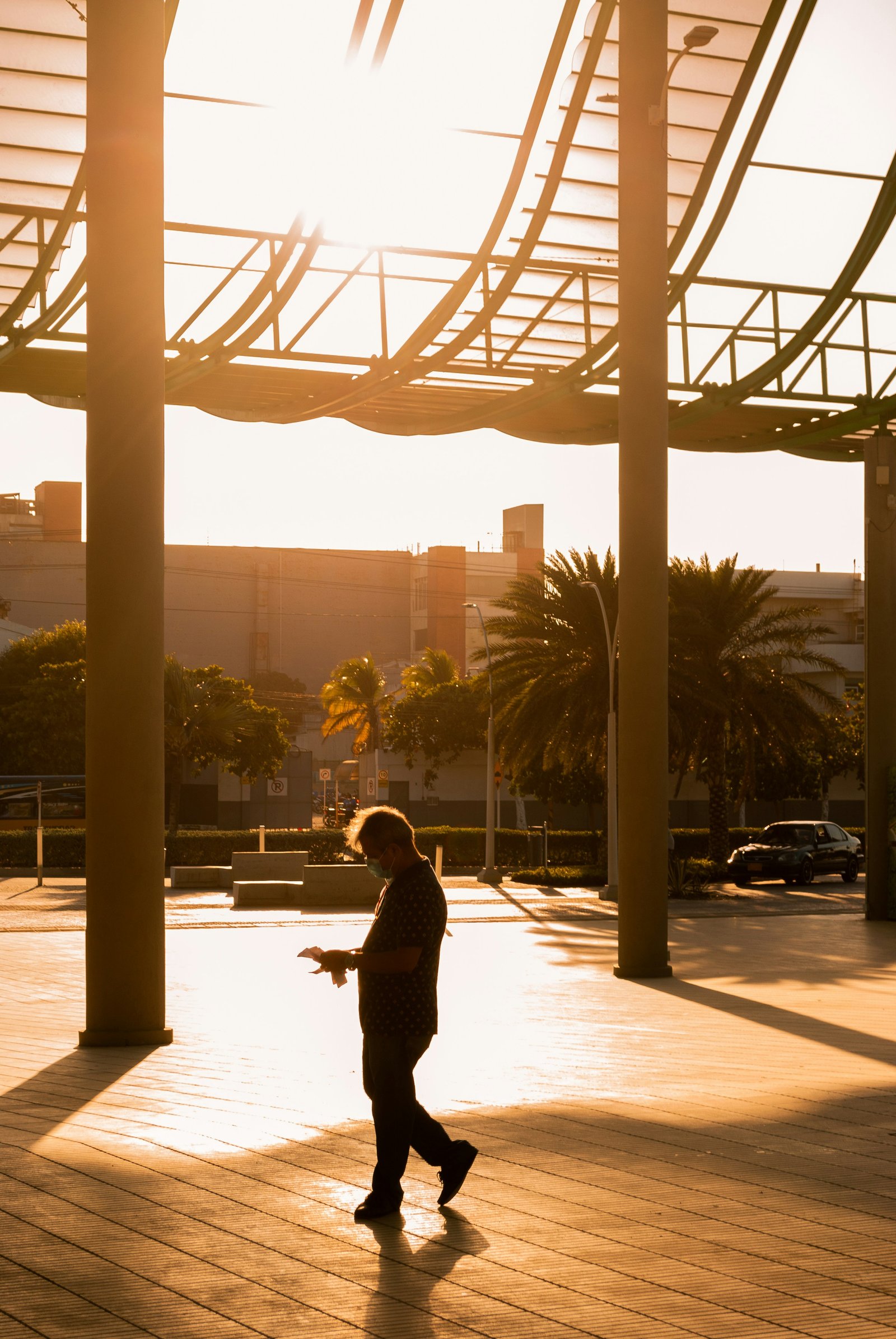
Barranquilla is a large, spread-out Caribbean city where most tourist sights do not cluster conveniently together. The Gran Malecón, Barrio Abajo, the Museo del Caribe, and El Prado are each in different parts of the city, and the tropical heat makes extended walking between them impractical for most of the year. The good news: taxis and app-based ride-hailing are genuinely affordable, and understanding two or three transport options covers almost everything a visitor needs.
From the airport
Ernesto Cortissoz International Airport (BAQ) sits 10 kilometres south of the El Prado hotel district. It handles domestic routes to Bogotá, Medellín, and other Colombian cities, plus some international connections.
Official airport taxis: A metered booth inside the arrivals hall issues receipts with a fixed fare. To El Prado and Villa Country the standard fare is approximately COP 35,000 to 50,000 as of 2026. Presented receipts reduce the risk of overcharging; pay the booth amount regardless of what the driver says. Journey time is 20 to 35 minutes depending on traffic on the Circunvalar highway.
InDriver and Cabify both operate from the airport pick-up zone outside arrivals. Set the destination in the app before leaving the terminal and the fare shows before you commit. App fares typically run COP 22,000 to 35,000 to El Prado — a meaningful saving on the official taxi rate, with the convenience of no negotiation. InDriver has wider driver coverage in Barranquilla’s outer zones; Cabify is slightly more consistent for central journeys.
No public bus currently provides a direct, practical connection between the airport and the tourist-frequented areas of the city. The TransMetro line does not pass the terminal.
App-based ride-hailing: InDriver and Cabify
For most visitors, InDriver is the practical default for getting around Barranquilla. The app works by bidding: you name a price, nearby drivers accept or counter-offer, and you agree on a fare before the driver departs. This sounds more complicated than it is — in practice the first offer is accepted or slightly adjusted within 30 seconds. Fares across El Prado, Villa Country, Barrio Abajo, and the Gran Malecón typically run COP 6,000 to 18,000. To the Zoo it is approximately COP 12,000 to 18,000; to the Terminal de Transportes bus station, approximately COP 15,000 to 22,000.
Cabify operates more like a standard ride-hailing service with a set quoted fare before acceptance. Coverage in the northern and central districts is good. The app is slightly easier to use for first-timers since there is no bidding step.
Uber returned to Colombia in some capacity but driver availability in Barranquilla in 2026 is inconsistent — InDriver and Cabify are more reliable options here.
Street taxis
Yellow street taxis are plentiful in El Prado, Villa Country, and near the Gran Malecón. They do not use meters; fares are negotiated before boarding. The standard approach: state your destination and ask “¿cuánto?” (how much?) before getting in. Within El Prado and to the Gran Malecón, most journeys run COP 8,000 to 15,000. To further destinations such as the Zoo or the bus terminal, expect COP 18,000 to 30,000.
Barranquilla taxi prices are reasonable, but it is worth confirming the fare before entering — once in the car there is limited recourse if the driver inflates the price. Taxis hailed from hotel lobbies sometimes have a fixed higher tariff; asking the front desk for the approximate fare first gives you a reference point.
TransMetro BRT
The TransMetro is Barranquilla’s Bus Rapid Transit system — articulated buses running on dedicated lanes across the main east-west and north-south corridors of the city. A single journey costs approximately COP 2,800 to 3,200 as of 2026, paid via a rechargeable card (Movilidad Barranquilla) sold at station kiosks.
For tourists, TransMetro is useful but not essential. The main trunk line runs along the Circunvalar (Carrera 38) and the Murillo (Carrera 35) corridor and connects the Terminal de Transportes to El Centro and points north. It does not serve the Gran Malecón, Barrio Abajo, or most of the museum-and-restaurant circuit directly — a connecting taxi or walking segment is typically needed.
The system is safe and widely used by Barranquilleros. Rush hours (7–9am and 5–8pm) are crowded and pickpocketing risk increases in the crush. Keep phones in a front pocket rather than in hand and use a zip-closed bag.
Getting to the Gran Malecón
The Gran Malecón promenade runs four kilometres along the Magdalena River and is best reached by taxi or InDriver from El Prado (approximately COP 8,000 to 12,000, 10–15 minutes). From El Centro it is a shorter ride of around COP 5,000 to 8,000.
Once on the Malecón, the entire promenade is walkable — flat, wide, and well-lit in the evenings. Cycling is popular; bike rental stalls set up near the Muelle 1888 end at weekends, costing approximately COP 5,000 to 10,000 per hour. The distance from Muelle 1888 to the northern Ventana al Mundo monument is about 4 kilometres, a manageable 45-minute flat walk even in the heat if you go in the early evening.
Getting to Barrio Abajo and the museums
Barrio Abajo (where the Museo del Carnaval and the traditional cumbia neighbourhood are located) is approximately 10–15 minutes by taxi from El Prado. Fares run COP 8,000 to 12,000. The neighbourhood streets are navigable on foot once you arrive, though the urban grid around Calle 54 can be confusing without a map.
Museo del Caribe is in the Cultural District near Calle 36, a direct 10-minute taxi ride from El Prado for approximately COP 8,000 to 12,000. It is walkable from El Centro if the midday heat is not a factor.
Zoológico de Barranquilla is in the Barranquilla Norte sector at Carrera 68, approximately 20 minutes from El Prado by taxi (COP 14,000 to 20,000).
Getting to Puerto Colombia
Puerto Colombia, the historic pier ruins 18 kilometres west of Barranquilla, is the most common day-trip from the city.
Public bus: Buses to Puerto Colombia leave from the Terminal de Transportes and from bus stops on the Circunvalar. Journey time is approximately 45 to 55 minutes, cost around COP 4,000 each way. Buses run frequently during the day; the last return service from Puerto Colombia is around 7pm — confirm before going.
Taxi or InDriver: A round trip in a taxi for the day (with the driver waiting while you visit) costs approximately COP 80,000 to 120,000. A one-way InDriver or taxi runs COP 30,000 to 45,000. The direct taxi is convenient if you are going with a group or want flexibility on timing.
Getting between Barranquilla and other cities
To/from Cartagena: Buses depart the Terminal de Transportes (Carrera 14, Soledad) throughout the day. Berlinas del Fonce and Brasilia operate comfortable services for approximately COP 25,000 to 40,000. Journey time is around two hours. Colectivo shared taxis cover the same route faster for COP 35,000 to 55,000. Private transfer (arranged through a hotel or app): approximately COP 200,000 to 300,000 for the whole vehicle.
To/from Santa Marta: The journey east along the Caribbean coast takes approximately 2.5 to 3 hours by bus. Services depart frequently from the terminal; fares start at COP 30,000. Shared vans do the same route in approximately two hours.
To/from Bogotá: Avianca, LATAM, and Viva fly the route multiple times daily. Flight time is under one hour. Advance fares start around COP 90,000. Overnight buses take approximately 18 hours and are only worth it if time is genuinely not a constraint.
Practical notes
Carnival week transport: During Carnaval (four days before Ash Wednesday, usually February), taxis and apps become scarce and prices surge significantly. App surge pricing is real; many locals pre-arrange private drivers for the full carnival period. Book transport for parade days well in advance if you can.
Safety: Barranquilla has neighbourhoods that are not safe for tourists. The areas visitors use — El Prado, Villa Country, the Gran Malecón, Barrio Abajo, and the museum district — are all fine during daylight hours. After 10pm, use taxis or apps rather than walking. Avoid the port industrial zone and southern barrios on foot at any hour. Street taxis at night carry slightly higher risk; app-based hailing is the safer option for late returns.
Our Barranquilla things to do guide covers all main attractions with exact addresses and current entry fees to help you plan routes.