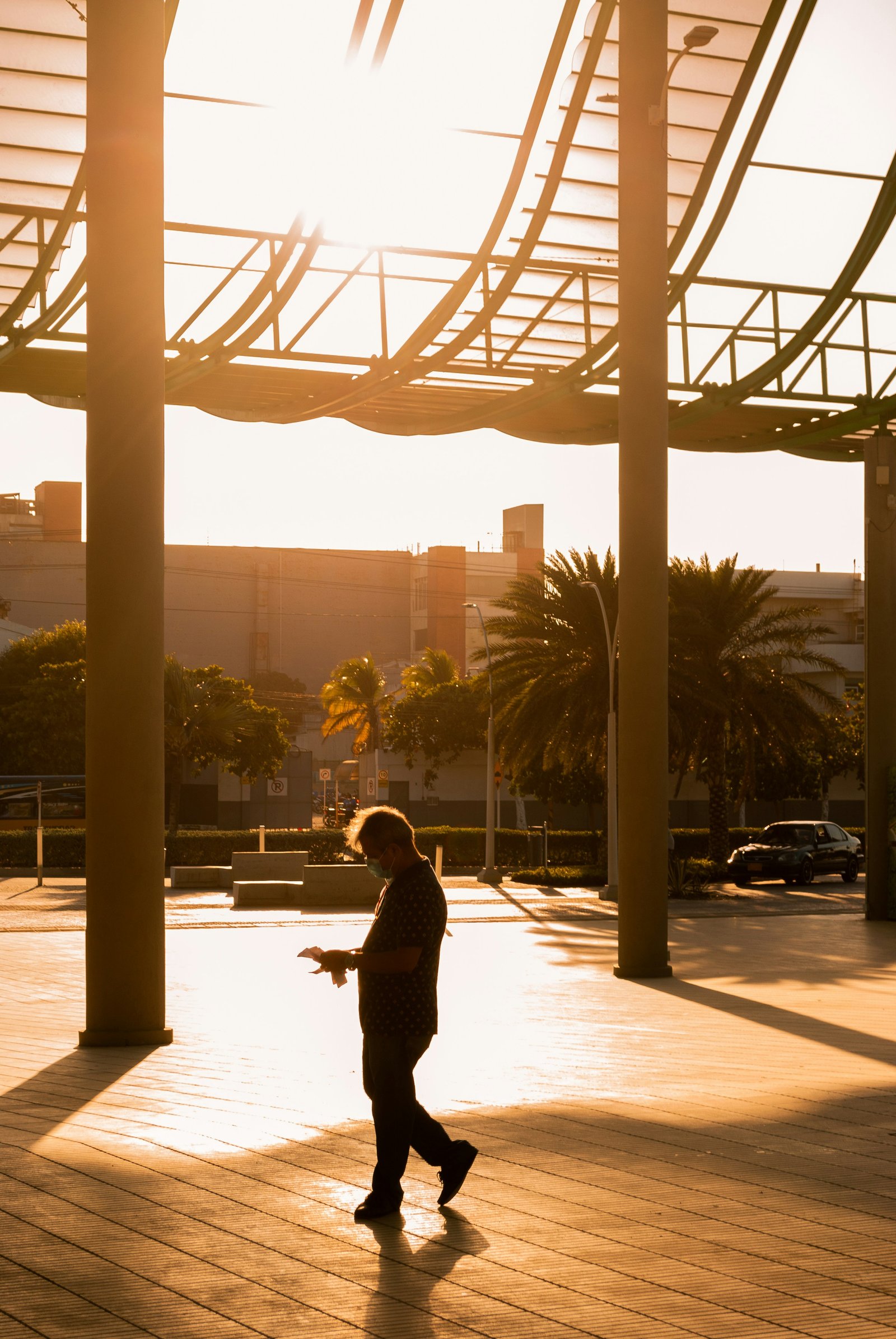
Barranquilla is Colombia’s fourth-largest city and one of the Caribbean coast’s most underrated destinations. It built its reputation on Carnaval - the second-largest carnival in the world after Rio - but the city has far more going for it year-round: a waterfront promenade that stretches four kilometres along the Magdalena River, a cluster of excellent cultural museums, the historic Barrio Abajo neighbourhood, and day-trip access to the crumbling colonial pier at Puerto Colombia. It is louder, less polished, and considerably more local than Cartagena - which for many travellers is exactly the point.
Gran Malecón del Río
The Gran Malecón is Barranquilla’s most significant urban infrastructure project of the past decade. The four-kilometre riverside promenade along the Magdalena was built in phases between 2015 and 2020 and transformed what had been an inaccessible industrial riverbank into a public waterfront park. It is free to enter and open around the clock, though evenings are the most popular time - locals come to walk, cycle, and eat from the food stalls that set up from late afternoon.
The Malecón runs from Muelle 1888 at the southern end to the Las Flores bridge in the north. Muelle 1888 is a reconstructed pier at the historic river port - the name refers to the year Barranquilla first opened to international trade. The pier hosts a small market at weekends and gives good views back toward the city skyline at sunset. At the northern end, the Ventana al Mundo monument - a large sculptural window frame - has become one of the city’s most photographed landmarks.
Street food here is worth exploring: fried fish, arepa de huevo (a deep-fried corn cake stuffed with egg), and fresh fruit juices are staples of the riverside vendors. No entry fee. Accessible by taxi from the historic centre in under 15 minutes.
Museo del Carnaval (Casa del Carnaval)
The Carnaval de Barranquilla was declared an Intangible Cultural Heritage of Humanity by UNESCO in 2003, and the Casa del Carnaval is the best place to understand why. The museum is located in Barrio Abajo - the traditional neighbourhood at the heart of carnival culture - and uses interactive displays, costumes, video installations, and recorded cumbia and mapalé music to trace the history of the four-day festival from its African, indigenous, and Spanish roots to the present day.
The museum is housed in a purpose-built building beside the original Casa del Carnaval. Highlights include a full-scale replica of the Batalla de Flores float, the gallery of queens (every carnival has a reigning queen, a tradition going back over a century), and the collection of Monocuco masks - the anonymous paper-maché masks worn by spectators who want to participate without revealing their identity.
Entry costs approximately COP 15,000 for adults and COP 8,000 for children as of 2026. Open Tuesday to Saturday 9am–5pm, Sunday 10am–3pm, closed Monday. Located at Calle 54 No. 49B-39, Barrio Abajo. Taxis from the historic centre cost around COP 8,000–10,000.
Museo del Caribe
The Museo del Caribe is one of the finest regional museums in Colombia and presents the full sweep of Caribbean coast culture - not just Barranquilla, but the history, ecology, and cultural traditions of the entire Caribe region from its pre-Columbian inhabitants through to the present. The museum occupies a large purpose-built complex in the city’s Cultural District, near the Biblioteca Departamental.
The permanent collection spans seven themed halls covering the Sierra Nevada indigenous cultures, the Magdalena River and its ecology, Caribbean musical traditions (cumbia, vallenato, porro), and a dedicated section on Gabriel García Márquez - who was born in the nearby town of Aracataca and spent formative years in Barranquilla. The Gabo section includes first editions, personal photographs, and a recreation of the environment described in One Hundred Years of Solitude.
Entry costs approximately COP 20,000 for adults and COP 12,000 for students and children as of 2026. Open Tuesday to Saturday 9am–5pm, Sunday 10am–4pm. Located on Carrera 36 with Calle 40, within walking distance of Parque Cultural del Caribe.
Barrio Prado and El Centro
Barrio El Prado is Barranquilla’s best-preserved historic neighbourhood, built in the 1920s as an exclusive residential district for the merchant families who made fortunes from the Magdalena River trade. The neighbourhood’s wide tree-lined streets and Mediterranean-influenced villas are in sharp contrast to the dense commercial city centre, and a walk through El Prado gives the best sense of Barranquilla at its economic peak. The Hotel El Prado, built in 1930, is worth a look even if you are not staying - its lobby, pool area, and gardens retain most of the original period detail.
Search hotels in Barranquilla on Booking.com
El Centro - the historic core around Paseo Bolívar - is where the city’s commercial energy is most concentrated. The Plaza de San Nicolás is the main public square, anchored by the Iglesia de San Nicolás de Tolentino, the city’s oldest church. The square hosts informal markets and is the traditional gathering point for religious processions. The surrounding streets have a gritty, working-class character that is worth experiencing even if the area is not conventionally picturesque.
Zoológico de Barranquilla
Barranquilla’s zoo is one of the better-maintained zoos in Colombia and a reasonable half-day option, particularly for families. The collection focuses on native Colombian and South American species: spectacled bears, giant anteaters, capybaras, river turtles, manatees (in a purpose-built aquatic centre), and a substantial bird collection including Andean condors. The zoo also participates in conservation breeding programmes for several threatened Colombian species.
Entry costs approximately COP 30,000 for adults and COP 20,000 for children as of 2026. Open daily 9am–5pm, with the last entry at 4pm. Located at Carrera 68 No. 74-65, Barranquilla. Accessible by taxi from the city centre in around 20 minutes.
Puerto Colombia
Puerto Colombia, 18 kilometres west of Barranquilla along the Caribbean coast, was the main port of entry for Colombia from 1893 until 1936. At its peak, the Puerto Colombia pier stretched 1,200 metres into the sea - one of the longest wooden piers in the world at the time. After the port was superseded by newer facilities in Barranquilla, the pier gradually fell into disrepair; today, only a substantial ruined stump remains, jutting about 200 metres into the water.
The ruined pier is Puerto Colombia’s most distinctive sight and genuinely dramatic - its wooden pilings have been colonised by pelicans and cormorants, and the arched entrance gate on the beach is a photogenic relic. The town itself has a handful of seafood restaurants along the waterfront and a beach that is popular with Barranquilleros at weekends. It is less developed and considerably cheaper than the beaches around Cartagena.
Public buses from the Barranquilla city centre to Puerto Colombia take approximately 45 minutes and cost around COP 4,000. Taxis take 25 minutes and cost approximately COP 25,000–35,000.
Tours and Guided Experiences
Barranquilla is best explored with a local guide who can navigate the neighbourhood dynamics and provide context for the cultural references. Several operators run half-day and full-day city tours:
- GetYourGuide operators - the six-hour downtown tour covers Barrio Abajo, the Carnaval Museum, the Gran Malecón, and the Muelle 1888 waterfront. Prices start from approximately USD 25–30 per person as of 2026.
- Happy to Visit - offers a combined Barranquilla and Puerto Colombia full-day tour for around USD 50 per person, including lunch.
- Barranquilla Carnaval Museum guided visit - a two-hour themed tour of the Casa del Carnaval with a carnival historian, available at the museum itself for approximately COP 35,000 per person above the entry fee.
Book tours in Barranquilla through GetYourGuide for English-language city tours with free cancellation.
Best Season to Visit
December to March (dry season) is the most reliable weather window, with low humidity and minimal rain. Carnaval weekend itself - four days before Ash Wednesday - brings the city to a standstill in the best possible way. Hotels book out months in advance for carnival; prices roughly double. If you want to experience the full Batalla de Flores parade, book accommodation by October at the latest.
April to June is warm and sees occasional rain but remains comfortable. July to September is consistently hot (averaging 30–33°C) with afternoon showers most days. October and November are the rainiest months and the least appealing time to visit.
Getting to and Around Barranquilla
By air: Ernesto Cortissoz Airport (BAQ) is 10 kilometres south of the city centre. Taxis to the centre cost approximately COP 35,000–45,000 and take 20–30 minutes outside rush hour. No public bus currently connects the airport directly to the tourist zone.
From Cartagena: Berlinas del Fonce and Brasilia run comfortable intercity buses between Cartagena’s bus terminal and Barranquilla’s bus terminal (Terminal de Transportes) for approximately COP 25,000–35,000 per person. Journey time is around two hours. Private transfers cost approximately USD 60–80 for the full vehicle.
Within the city: Barranquilla’s TransMetro BRT system covers the main arteries but is not particularly useful for tourists - the stops rarely align with the main attractions. Taxis are inexpensive by international standards (COP 8,000–20,000 for most city centre journeys) and Uber and InDriver operate reliably in Barranquilla. Agree on a fare before getting into unmarked taxis.
More on Barranquilla: day trips from Barranquilla, where to stay in Barranquilla and Barranquilla travel guide.