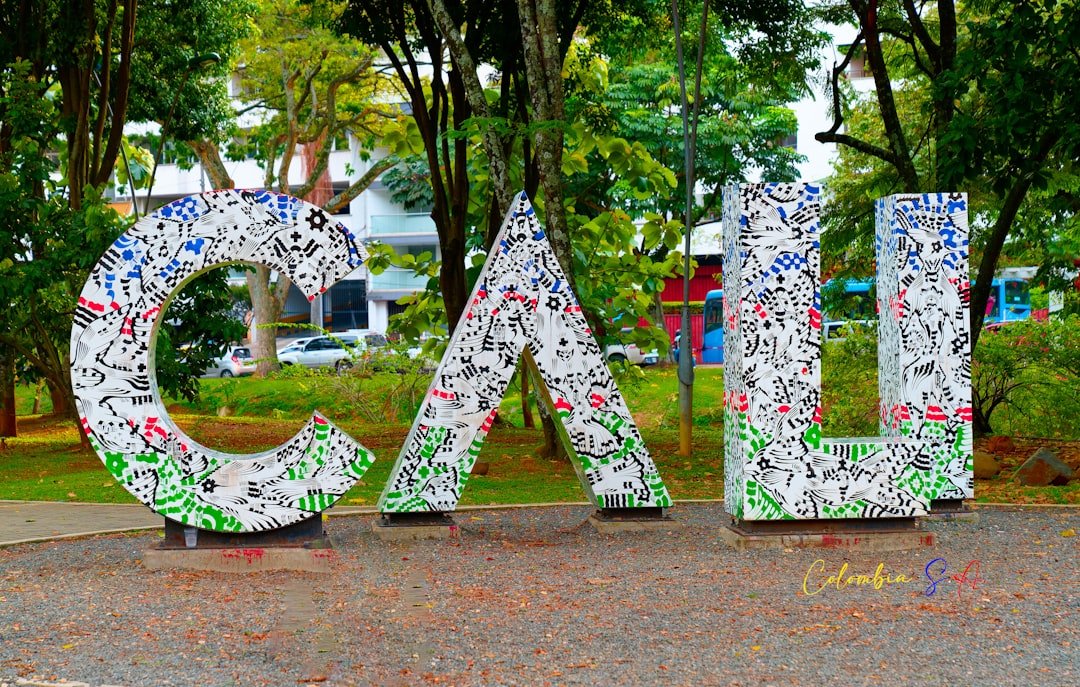
Cali does not organise itself as neatly as Medellín or Bogotá for the visiting traveller - it is a city that rewards spending a few days walking and getting a feel for its different rhythms rather than ticking off a list of formal attractions. Each barrio has its own character, pace, and social function, and understanding those differences makes the difference between a surface visit and a genuinely Caleño experience.
San Antonio: The Heart of Visitor Cali
San Antonio is the neighbourhood most first-time visitors to Cali settle into, and it earns that position. Built on a hillside to the southwest of the historic centre, it preserves a collection of colonial-era houses with painted facades, internal courtyards, and tiled roofs that have mostly disappeared from the rest of the city. The neighbourhood centre - Parque San Antonio and the ridge leading up to the Iglesia de San Antonio - is walkable, architecturally coherent, and active throughout the day and into the evening.
The area around Parque San Antonio anchors a concentration of good restaurants, small galleries, and independent cafés. El Buen Alimento and La Tienda de la Abuela represent the comfortable Colombian comfort-food end of the dining spectrum; Platillos Voladores handles the more ambitious contemporary end. Prices in San Antonio remain reasonable - a main course at a mid-range restaurant runs COP 25,000 to 45,000 as of 2026.
San Antonio’s walkability has a limit - the neighbourhood occupies a specific zone and beyond its edges the security profile changes. The ridge above the Iglesia de San Antonio gives an excellent view over the city but is best reached early in the morning rather than at dusk.
Granada: Cali’s Restaurant District
Granada is where Cali goes out to eat and drink. The neighbourhood sits north of San Antonio and revolves around Avenida 9 Norte, a street dense with restaurants, cocktail bars, and late-night venues that caters to a prosperous local clientele rather than to tourists. This is not a heritage district - the architecture is unremarkable - but the food and drink quality is high and the social energy on Friday and Saturday nights is genuine.
Key restaurants in Granada: Platillos Voladores (contemporary Colombian, around COP 40,000 to 70,000 per main), La Zurda (meat-forward Colomban grill, COP 35,000 to 60,000), and Harry Sasson (if you want the full upscale experience, with mains from COP 60,000 to 110,000). For a quieter evening, the bar strip around Calle 16 Norte has good craft beer options.
Most of Cali’s mid-range and upscale hotels are in or near Granada, making it a natural base for visitors who prioritise proximity to food and drink over colonial atmosphere.
El Peñón: The Local Middle-Class Barrio
El Peñón is the neighbourhood that Cali professionals live in - quieter than Granada, with good parks, tree-lined streets, and the city’s best concentration of bakeries and neighbourhood cafés. The Parque del Perro (Dog Park) at the heart of El Peñón is a genuine local social hub: on weekday evenings and weekend mornings it fills with residents walking dogs, drinking tinto (Colombian black coffee) at the surrounding cafés, and doing the kind of relaxed neighbourhood socialising that visitor-facing barrios rarely achieve naturally.
If you want to understand how a comfortable Caleño family spends its weekend, an afternoon in El Peñón provides more insight than a morning in the tourist-facing areas. The neighbourhood has a few good boutique guesthouses and is about a 10-minute taxi ride from Granada’s nightlife strip.
Ciudad Jardín: Upscale and Quiet
Ciudad Jardín is Cali’s most affluent residential neighbourhood - green, guarded, and home to the city’s best private schools, upscale supermarkets, and the Zoológico de Cali (the city’s zoo, genuinely good for a family destination and worth two hours). It is not a neighbourhood where you will stumble onto interesting street life, but it is comfortable, safe, and useful if you have specific reasons to be in the south of the city.
Zoo entry is approximately COP 35,000 to 40,000 for adults and COP 25,000 to 28,000 for children as of 2026. It holds one of the best collections of endemic Colombian fauna on the continent - spectacled bears, condors, anacondas, capybara - and the landscaping is excellent.
Juanchito: Where Salsa Really Lives
Juanchito is not a neighbourhood you stay in - it is a neighbourhood you travel to on a Saturday night. Located across the Río Cauca to the east of central Cali, Juanchito is a working-class barrio whose principal industry is salsa dancing. The large dance halls - Changó, Miraflores, and several others - operate from roughly 9pm into the early morning hours and attract a cross-section of Cali society from teenagers to grandparents.
Search hotels in Cali on Booking.com
For specific hotel picks by budget, see our where to stay in Cali guide.
There is almost no tourist infrastructure in Juanchito. Signage is minimal, taxis wait outside but should be pre-arranged rather than flagged spontaneously, and the experience is entirely authentic in a way that the more accessible central venues are not. Going with a local contact or on a guided salsa night tour that includes transport is strongly advisable for a first visit.
The Historic Centre: For Daytime Exploration
Cali’s Centro Histórico is worth a morning but should not be mistaken for the colonial showpiece that other Colombian cities offer. The Plaza de Caycedo - the main square - has the formal weight of a historic centre but the surrounding streets are a mix of commercial sprawl and genuine colonial buildings. The Iglesia de La Merced and the Capilla de La Inmaculada are worth visiting. The Museo del Oro Calima (free entry) near the centre holds a significant collection of pre-Columbian goldwork from the Calima culture.
The centre deteriorates quickly after dark - plan your visit for a weekday morning when the streets are active with commerce and the major sights are accessible.
Getting Between Neighbourhoods
Cali’s MIO bus rapid transit system connects most major neighbourhoods and costs COP 2,900 per journey as of 2026 - cheap and useful for north-south routes along Avenida Simón Bolívar. For cross-city trips or evening travel, InDrive and Uber both operate reliably in Cali and are the safest option after dark. Registered yellow taxis exist but agree the fare before you get in.
More on Cali: things to do in Cali, day trips from Cali and Cali travel guide.