Cali eats differently from the rest of Colombia. The food here draws from the Valle del Cauca - one of the most fertile agricultural regions in South America - and from the strong Pacific coast and Afro-Colombian influence that has shaped both the music and the cooking of this city. It is less internationally known than Bogotá or Medellín’s food scenes, which means prices stay lower and the best cooking is still happening in markets and family-run restaurants rather than Instagram-optimised venues.
The Dishes You Should Know
Sancocho de gallina is the dish that defines Cali more than any other. A whole hen is simmered for hours with yuca, mazorca (corn on the cob), plátano, papa criolla (small yellow potato), cilantro, and cumin until the broth goes rich and the meat falls from the bone. It is served with white rice, avocado, and ají (a fresh chilli salsa on the side). This is Sunday food, hangover food, celebration food. At a traditional restaurant in the San Antonio or Santa Rosa de Lima neighbourhood, a full portion costs COP 28,000 to 50,000 as of 2026.
Cholado caleño is the street dessert of Cali - shaved ice in a large cup layered with fresh tropical fruit (mango, mora, pineapple, fresa), coloured syrups, condensed milk, and cream. It is finished with a dusting of grated coconut on better versions. The fruit goes in first, then the ice is shaved over it, then the sweet elements. It costs COP 6,000 to 12,000 and is best in the heat of the afternoon. Do not confuse it with the simpler raspado elsewhere in Colombia - the cholado is generously constructed.
Pandebono is warm cheese bread from the Valle del Cauca - a round puff made from yuca starch and costeño cheese, baked until it has a slight crust and a soft, slightly elastic interior. A single pandebono costs COP 2,000 to 4,000 and is eaten hot from the bakery in the morning with black coffee. Bakeries across Cali make them through the day. The best are still warm; avoid cold ones.
Lulada is a Cali-specific drink - lulo fruit (a citrus with flavour between orange and rhubarb) mashed with ice, sugar, and water. The chunks of fruit stay in rather than being blended, giving it texture. It is tart, cold, and completely refreshing. Found at salcedo stands and juice bars for COP 5,000 to 8,000. Different from lulo juice elsewhere, which is usually blended smooth.
Chontaduro: peach palm fruit boiled until soft, sold from street carts with salt and either honey or miel de panela. The vendors are everywhere in Cali - the carts are wooden, painted yellow and red, with stacks of the reddish-orange fruits. They are particularly common near the Gato de Tejada bridge and around the Alameda market. COP 2,000 to 4,000 per fruit, COP 12,000 to 18,000 for a bag. Try one before buying a bag.
Champús: a cold drink-dessert made from maíz blanco (white corn), lulo, pineapple, and panela - a sweet, textured, slightly fermented corn-based drink that is very specific to Cali and the Valle. Found at market stalls and some traditional restaurants. COP 4,000 to 6,000 per serving.
Lechona caleña: roast pig stuffed with rice, peas, and spices - a version distinct from the Tolima original, served by the portion at market stalls and some restaurants. Saturdays and Sundays are lechona days. COP 15,000 to 30,000 per portion.
Galería Alameda
The Galería Alameda at Calle 8 with Avenida 24 in the Alameda neighbourhood is the largest traditional food market in Cali and one of the most complete in Colombia. It covers an entire city block and runs across two levels: produce and fruit below, meat, cheese, and dry goods around the perimeter, hot food stalls filling the inner corridors.
The fruit section has everything the Valle del Cauca grows: lulo, guanábana, maracuyá, tomate de árbol, pitahaya, guayaba, níspero, and the tropical bounty that doesn’t reach northern Europe at all. Prices are significantly lower than supermarkets - a kilogram of lulo for COP 2,000 to 4,000 as of 2026.
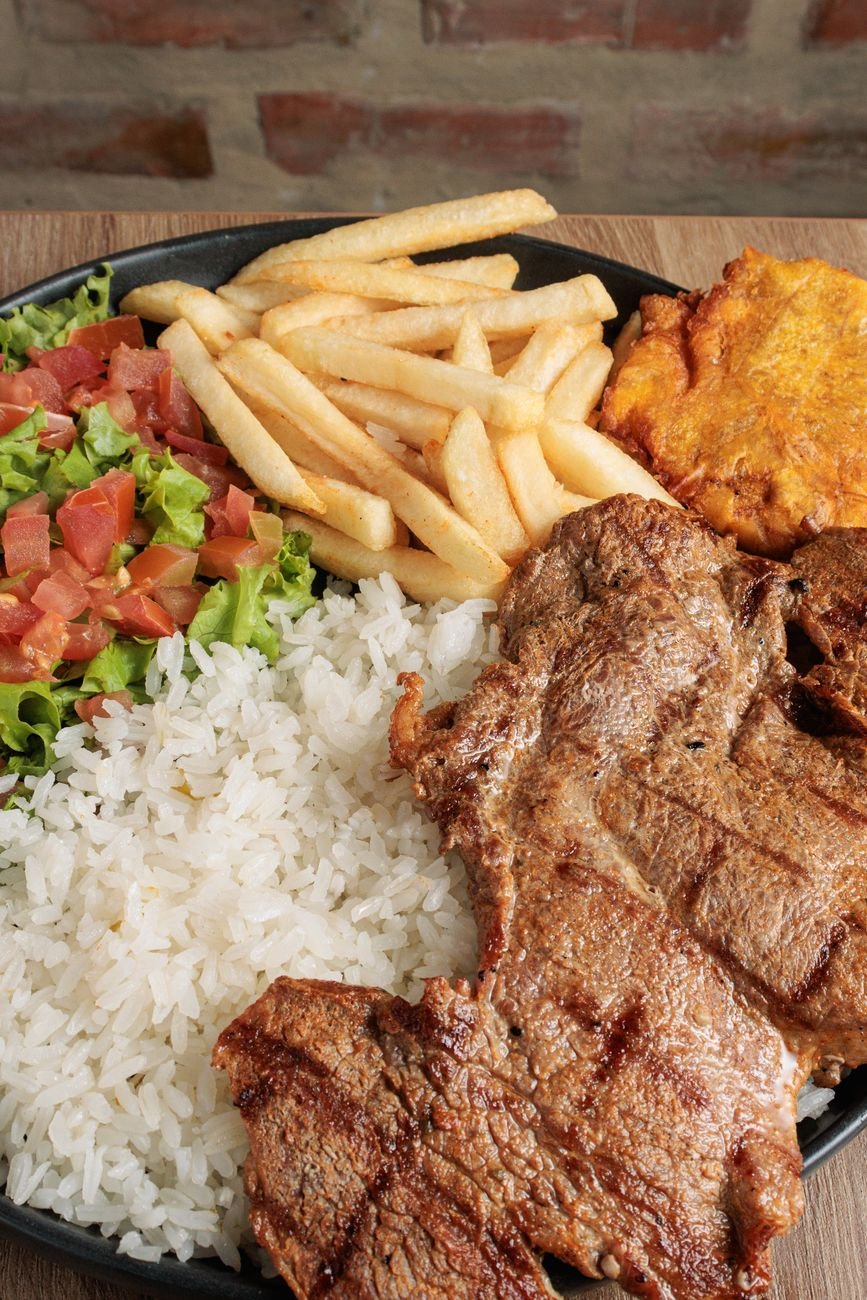
The chichería section serves warm chicha (fermented corn drink) by the glass. The juice stalls make fresh-squeezed combinations to order. The prepared food counters at the back of the market serve full meals from around 7am to 3pm - a set plate of rice, beans, protein, patacón, and sopa runs COP 12,000 to 20,000.
Open Monday to Saturday from approximately 6am to 6pm, Sundays from 6am to 2pm. Entry is free. Go on a weekday before 11am for the best selection.
La Galería de Alameda vs Galería Santa Helena
Galería Santa Helena on Calle 10 near the Plaza de Caicedo is smaller, more central, and more tourist-accessible than Alameda but has a narrower range. It is useful for a quick look at local produce and an affordable lunch - set meals COP 12,000 to 18,000 - without travelling to the Alameda neighbourhood. Santa Helena also has a small section of cooked chicharrón (fried pork belly) and empanadas near the main entrance.
Where to Eat a Proper Meal
El Buen Alimento in the San Antonio neighbourhood: traditional Vallecaucano cooking - sancocho, sudado de pollo (slow-cooked chicken in vegetable broth), and tamales caleños on weekends. Set lunches COP 20,000 to 35,000 as of 2026. The kind of restaurant that has been there for 25 years and doesn’t advertise online.
La Galería Restaurant adjacent to the Alameda market: good seafood driven by Pacific coast fish, particularly corvina and langostinos, at mid-range prices. COP 40,000 to 80,000 per main. Better than the restaurants in the Zona Rosa that have similar menus at higher prices.
Restaurante Antojitos in Granada: quick, cheap, reliable - tamales, caldos, and daily specials from COP 15,000 to 25,000. Breakfast from 7am. Packed on Sunday mornings.
La Sucursal del Cielo: a long-standing Cali institution serving traditional Pacific coast cuisine - cazuela de mariscos (seafood clay pot), encocado (fish or shrimp cooked in coconut milk and plantain), and whole fried fish. COP 35,000 to 75,000. Worth booking for dinner as it fills up on weekends.
Street Food and Salcedos
Cali’s salcedos - informal juice, snack, and street food stands - are the fastest and cheapest eating in the city. Around the Universidad del Valle campus, in San Antonio, and along the Río Cali promenade, these stalls sell:
- Empanadas de pipián (potato and hogao filling): COP 2,000 to 3,000 each
- Cholados: COP 6,000 to 12,000
- Lulada: COP 5,000 to 8,000
- Chontaduro: COP 2,000 to 4,000 per fruit
- Champús: COP 4,000 to 6,000
The area around Calle 5 in the El Peñón neighbourhood also has a dense cluster of good casual spots open into the evening.
Weekend Tamales
Tamales caleños are made on weekends only in most traditional households and restaurants. A Valle del Cauca tamal is larger than the Bogotá version and wrapped in banana leaf rather than corn husks - filled with rice, chicken, pork, chickpeas, potato, and carrot, slow-steamed for several hours. Found at market stalls on Saturday and Sunday mornings from around 7am until they sell out. COP 12,000 to 20,000 each. Eaten with hot chocolate and bread - the standard Sunday breakfast.
Take a Guided Food Tour of Cali
Cali’s food culture is rooted in the Valle del Cauca market tradition and a guided food tour is the fastest way to eat through it without spending half a day navigating Galería Alameda alone. The best Cali food tours combine a morning at Alameda - the city’s largest traditional market, with fruit you will not find anywhere else in Colombia, chicha by the glass, and set lunches cooked from what arrived that morning - with a walk through San Antonio for sancocho de gallina at a traditional restaurant and cholados from a street cart in the afternoon heat. Local guides also introduce the Afro-Colombian and Pacific coast influences that make Valle del Cauca cooking distinct from anything else in Colombia. Book a Cali food tour
Practical Notes
Budget: A full day eating in Cali - pandebono for breakfast, market lunch, cholado in the afternoon, evening empanadas - costs COP 40,000 to 70,000 (approximately USD 10 to 18 as of 2026).
Drinking water: Cali’s tap water is generally safe by Colombian standards but bottled or filtered water is the standard choice for visitors. Fresh juices at market stalls use ice from filtered sources at established stands.
Best neighbourhoods for food (see our Cali neighbourhoods guide): San Antonio and El Peñón for mid-range sit-down; Alameda neighbourhood for market eating; around the Universidad del Valle for the cheapest street food; Granada for a mix of traditional and more modern options.
Timing: Comedores and market stalls run 7am to 3pm. Street food picks up from 5pm. The salcedos stay open later in warmer weather.
For food-focused tours and cooking experiences, tours in Cali connects to local operators running market visits, cholado-making demonstrations, and Pacific coast cooking classes. Browse hotels in Cali - in San Antonio or Granada for easy access to the best food areas.
More on Cali: the best restaurants in Cali, things to do in Cali and Cali travel guide.