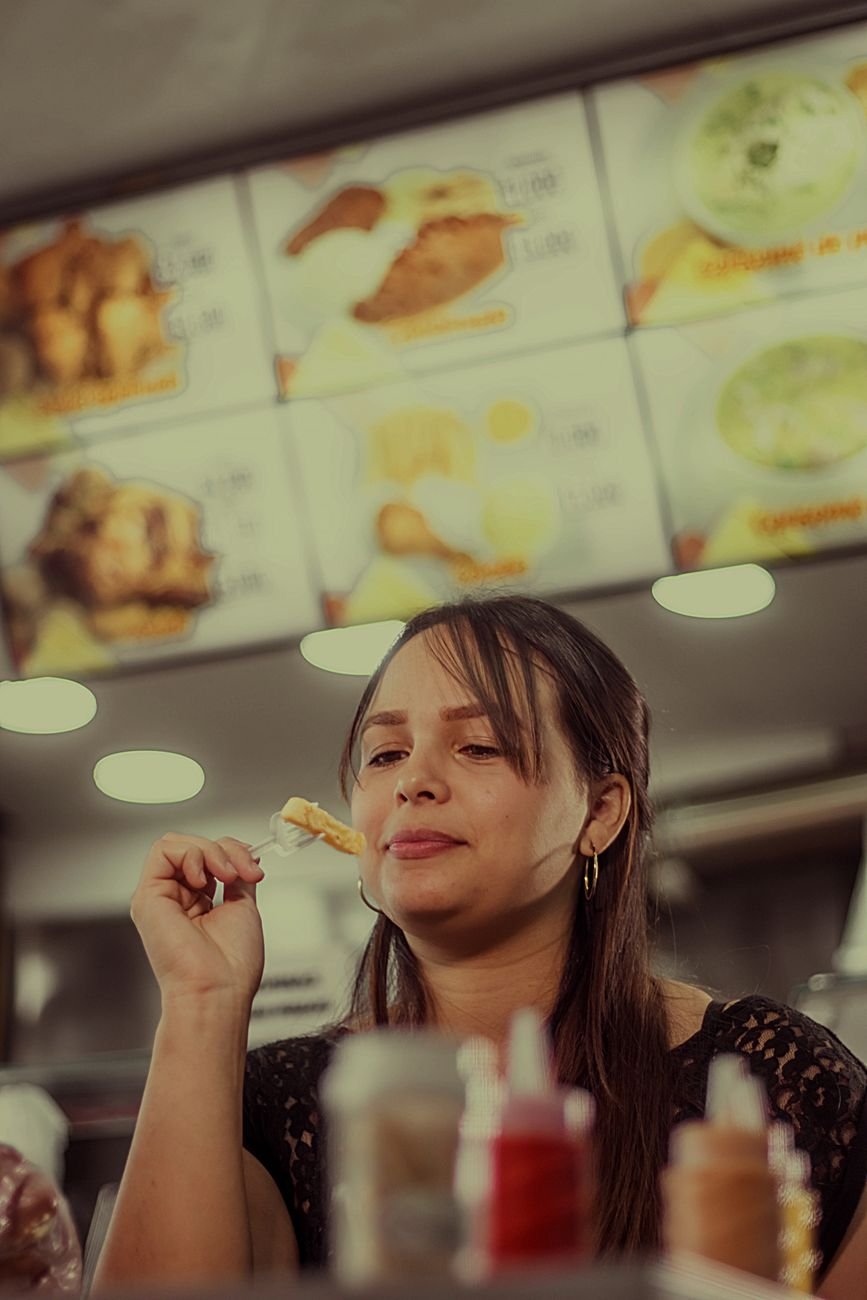
Medellín is the city of the paisa - the Antioquian highlander - and the food reflects that identity completely. The bandeja paisa is not just a dish here; it is a cultural statement. The arepa is not a side item; it is on every table at every meal. The cooking is generous, starchy, protein-heavy, and deeply conservative about ingredients. International food exists - El Poblado has enough restaurants to take you around the world in a week - but the most interesting eating in Medellín is still in the markets, the comedores, and the restaurants that have been serving the same dishes for decades.
The Dishes That Define Medellín
Bandeja paisa is the defining dish of the Antioquia region and of Medellín specifically. The full version arrives on a large oval plate: a mound of white rice; red beans cooked low and slow with pork rind and cumin; ground beef (carne molida) seasoned with tomato and onion; a whole chicharrón (fried pork rind with a thin layer of meat); a fried egg; half a ripe plantain, fried until caramelised; a slice of avocado; a warm white arepa; and often a small chorizo sausage on the side. It is enormous. Prices at a traditional Medellín restaurant run COP 28,000 to 55,000 as of 2026. Half-portions (media bandeja) are available at most places for COP 18,000 to 30,000.
Arepa antioqueña differs from arepas elsewhere in Colombia. The paisa version is a thick, soft white corn arepa, lightly salted, cooked on a griddle until it gets a thin crust on both sides. It is served warm, often with butter and fresh white cheese (queso blanco) or cuajada (a soft, slightly sour curd cheese). These arepas appear at breakfast, alongside every bandeja, and as afternoon snacks. They are not sweet and not filled. Bakeries and areperas across Medellín make them throughout the day - typically COP 2,000 to 5,000 each.
Arepa de chócolo is a different animal: made from sweet yellow corn (chócolo rather than white maíz), thicker, sweeter, and often served warm with cheese on top that melts into the surface. Found at market stalls and dedicated arepa counters. COP 4,000 to 8,000 each. Better as a snack than as a meal component.
Mazamorra is cooked white corn kernels in their own cooking liquid - the corn is soft and slightly yielding, the liquid is starchy and light. Eaten cold or at room temperature, it is a dessert-snack that appears in every traditional paisa home and at market stalls throughout the region. Served with panela to sweeten and milk to thin. COP 3,000 to 6,000 at market stalls. The Minorista market has multiple vendors making fresh mazamorra daily.
Chicharrón antioqueno is fried pork rind with a thin layer of meat still attached - different from the purely crunchy version found elsewhere. The paisa version maintains some chew in the meat layer while the rind goes crispy. Found as part of the bandeja paisa or sold separately at market stalls and butchers. At a traditional restaurant, a portion of chicharrón alone costs COP 12,000 to 20,000.
Mondongo: tripe soup, slow-cooked with chickpeas, vegetables, and herbs until the broth turns rich and the tripe goes completely tender. It is served as a weekend lunch dish and considered restorative after a late night. At a traditional restaurant on a Saturday or Sunday, a bowl costs COP 20,000 to 35,000. Not universally loved by international visitors but deeply embedded in Antioquian cooking.
Tamales antioqueños are larger than many regional versions and wrapped in banana leaf. They contain corn masa, chicken, pork, chickpeas, potato, carrot, and boiled egg - slow-steamed for several hours. Found at market stalls on weekend mornings. COP 12,000 to 22,000 each. Eaten with hot chocolate and bread.
Plaza Minorista
Plaza Minorista (officially Plaza de Mercado Minorista José María Villa) in the La América neighbourhood is the largest traditional food market in Medellín. It is a genuine working market - not a tourist attraction - covering an entire city block and operating Monday to Saturday from approximately 6am to 5pm, reduced hours on Sunday.
The produce section has the widest range of highland fruits and vegetables available anywhere in the city: lulo, mora, tomate de árbol, feijoa, granadilla, pitahaya, uchuva (Cape gooseberry), and dozens of regional varieties that do not appear in supermarkets. Prices at Minorista are typically 30 to 50% lower than supermarket equivalents.
The comedores inside the market - rows of informal restaurants run by women who have occupied the same counter for years - serve full set lunches from around 11am to 3pm: a plate of rice, beans, protein (chicken, beef, or fish), patacón, and a bowl of soup for COP 12,000 to 20,000 as of 2026. This is the most affordable full meal available in Medellín.
Mercado del Río
Mercado del Río on Calle 24 in the Laureles-Estadio neighbourhood is a modern food hall occupying a converted warehouse - 40-plus stalls spread across two floors, ranging from traditional Antioquian cooking to international options. It is well-curated and popular with both locals and visitors.
The stalls to prioritise: those selling traditional antioqueño food - bandeja paisa, ajiaco, mondongo, and daily specials - typically in the COP 25,000 to 50,000 range. The hall is open Tuesday to Sunday from approximately 12pm to 10pm (later on Friday and Saturday). Drink options include craft beer, aguardiente by the shot (COP 5,000), and fresh-pressed juices.
It is not cheap by Medellín standards, but the quality is consistently higher than random street restaurants and the range in one place is convenient.
Where to Eat: Neighbourhood by Neighbourhood
El Poblado: The most international options, highest prices. Good for a range of cuisines and late-night eating. Traditional Antioquian food is available but slightly overpriced relative to other neighbourhoods. Set lunch menus at local spots run COP 20,000 to 35,000; restaurants in the evening COP 35,000 to 100,000 per person.
Laureles: More local-oriented than El Poblado, with some of the better traditional restaurants in the city. The Calle 33 corridor has a dense cluster of options - traditional Antioquian, seafood, and cheap set lunches. Set lunches COP 15,000 to 25,000; restaurants COP 28,000 to 70,000 per person.
El Centro / La Candelaria: The oldest part of the city, with the densest concentration of cheap set-lunch comedores, market stalls, and street food. Not the most comfortable neighbourhood for casual wandering after dark, but during the day it has the best value eating in the city. Full lunch COP 10,000 to 18,000.
Envigado: South of El Poblado (Envigado is technically a separate municipality but adjacent to Medellín). More residential, significantly cheaper than El Poblado, with good traditional cooking in the Parque El Chagualo area. COP 15,000 to 35,000 for a full meal.
Specific Restaurants Worth Seeking Out
El Rancherito (multiple locations, original in Itagüí): the most famous traditional Antioquian restaurant in the greater Medellín area. Bandeja paisa in the COP 35,000 to 60,000 range. Enormous portions, communal tables, very local atmosphere. Worth the taxi from El Poblado (COP 12,000 to 20,000).
La Fonda Paisa de Jaime: In the Laureles neighbourhood. Traditional and unchanged for years - sancocho, bandeja, mondongo, and tamales on Sundays. Set lunch COP 22,000 to 35,000. Fills up by 12:30pm on weekdays.
Hacienda: A chain with multiple locations, consistently good bandeja paisa at COP 30,000 to 50,000. Reliable if you want to make sure of quality without exploring.
El Buey: Focused on grilled meats (carne asada, churrasco) and high-quality chicharrón. Popular with local families on weekends. COP 40,000 to 80,000 per person.
Hot Drinks and Afternoon Eating
Medellín is cold by Colombian standards at 1,495 metres above sea level - average temperature around 22°C. Hot drinks are part of daily life in a way they aren’t in Cartagena or Cali.
Tinto (small black coffee): COP 1,000 to 2,000 at any bakery or street cart. Medellín is close to the Coffee Region and the coffee quality is reliably good.
Agua de panela: hot water dissolved with panela (unrefined brown sugar), sometimes with lime or ginger. COP 2,000 to 4,000. Standard afternoon drink.
Hot chocolate with queso: a thick hot chocolate (chocolate de mesa, not cocoa powder) with a chunk of white cheese dropped in to melt slowly. COP 5,000 to 10,000 at traditional cafés. A paisa tradition with roots in a high-altitude highland culture - it sounds odd and tastes completely right.
Colaciones: small sweet pastries and biscuits sold at traditional bakeries throughout the day. COP 500 to 2,000 per piece.
Take a Guided Food Tour of Medellín
Medellín’s best food is concentrated in the markets, comedores, and fondas that most visitors never locate on their own, and a guided tour gives you immediate access to all of it. The most popular food tours combine a Plaza Minorista market walk - where Antioquian cooking at its most authentic happens in rows of informal counters - with a bandeja paisa lunch at a proper neighbourhood fonda and a coffee tasting from a roaster sourcing beans from the surrounding Antioquia farms. Medellín food tours run every morning and take three to four hours; they are the best possible introduction to paisa food culture before spending a week eating independently. Book a Medellín food tour
Practical Notes
Budget: eating traditionally in Medellín is among the cheapest in Colombia. A full day - arepa breakfast, comedor lunch, mazamorra snack, evening street food - costs COP 35,000 to 60,000 (approximately USD 9 to 15 as of 2026). El Poblado restaurants run significantly higher.
Aguardiente: the spirit of Antioquia is aguardiente (anise-flavoured cane spirit, approximately 24–29% ABV). A shot costs COP 3,000 to 6,000. The local brand is Antioqueño - do not mistake it for the lower-quality versions from other regions. Drinking aguardiente is a social act here, usually with a group and at a table, not at a bar counter.
Markets and hours: Minorista runs Monday to Saturday, best before 11am. Mercado del Río opens from noon Tuesday to Sunday. Most traditional comedores close by 3pm - arrive for lunch before 1:30pm.
Safety: El Poblado, Laureles, and Envigado are safe neighbourhoods for eating. La Candelaria and El Centro are fine during the day; exercise standard urban awareness. Minorista market is busy and safe on weekday mornings.
For walking tours that include market visits and a traditional Antioquian lunch, food tours in Medellín links to local operators running half-day versions through Minorista and the central neighbourhoods. Browse hotels in Medellín - in El Poblado or Laureles for easy access to Medellín’s best eating.
More on Medellin: the best restaurants in Medellin, things to do in Medellin and Medellin travel guide.