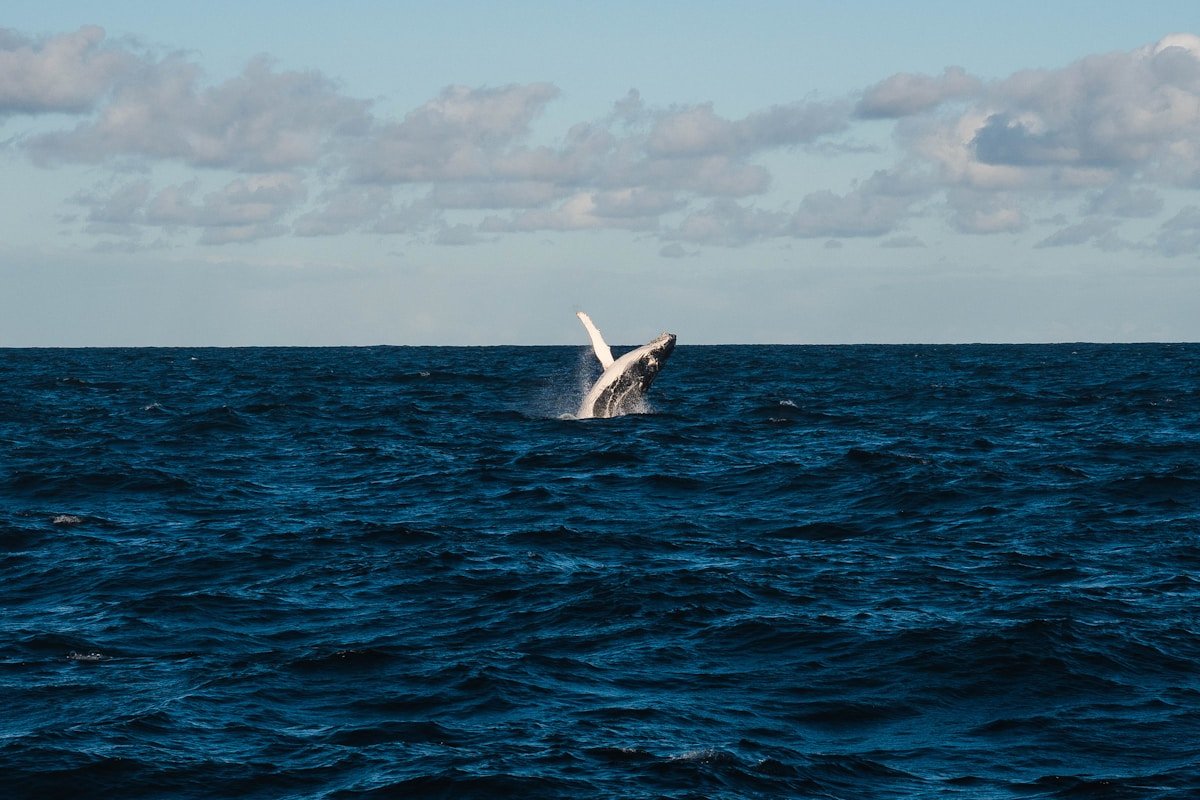
Colombia’s Pacific coast is one of the few places in South America where humpback whales can be seen from a small boat within a short ride of a jungle lodge. From roughly July to October, humpbacks that spent the southern summer feeding near Antarctica and Chile move north to the warm waters off the Chocó department to mate and give birth. Two small towns, Nuquí and Bahía Solano, are the gateways. Neither has a road connection to the rest of Colombia, which is exactly why the coast still feels remote.
This guide covers the season, how to get there, where to base yourself, what the tours cost and what else you can do while you are there. For the wider picture of when to travel in the country, see our best time to visit Colombia guide.
The Whale Season: July to October
Humpbacks begin arriving in June and the season runs through October, with a few animals lingering into November. August and September are the most dependable months for sightings, and mother and calf pairs are common then. Our month guides for July and August cover what else is happening in the country at the same time.
Tours leave in the morning in small boats, usually carrying six to ten passengers. Guides follow national whale-watching rules that limit how close boats may approach, so expect to see the animals from a respectful distance. Sightings are never guaranteed, but in peak weeks most outings find whales. Typical sights are tail slaps, pectoral fin waves, and occasionally a full breach. Some lodges also drop a hydrophone in the water so you can hear the males singing.
The best lodges fill early, so book accommodation and flights well ahead if you are aiming for August or September.
Getting There from Medellín
Both towns are reached by air or sea. Most travellers fly from Medellín’s Olaya Herrera airport (EOH) on Satena, the state-backed regional airline that serves remote Colombian towns. Flights take roughly 40 to 60 minutes and run on small turboprop aircraft with strict baggage limits, often around 10 to 15 kg of checked luggage. Pack soft bags and leave heavy items in your Medellín hotel. Schedules are thin, can be cancelled in bad weather, and change from season to season, so confirm current flights with the airline before paying for a non-refundable lodge package. If you need to organise the Medellín leg, start with our Medellín city guide.
The alternative is a boat from Buenaventura, which takes many hours and depends on sea conditions. We recommend flying unless you have time to spare and a strong stomach. Because the airstrips are small, build in a spare night on your return, so a cancelled flight does not cost you an international connection.
Nuquí: Lodges, Hot Springs and Whales
Nuquí is the more popular base for visitors, with a cluster of ecolodges strung along beaches north and south of town. Most arrivals are met at the airstrip and taken to their lodge by boat, as there are few roads. Typical lodge packages include accommodation, three meals and a whale outing, and in 2026 we see them starting at approximately USD 150 to 200 per person per night, depending on the lodge. Budget options exist in town for less.
El Cantil is a well-known ecolodge on the coast near Nuquí, popular with travellers who want comfortable cabins close to the forest and the sea. Other lodges in the area include simpler beachfront guesthouses run by local families. Whichever you choose, ask what the package includes, because fuel for boat trips is a major cost out here, and ask whether whale tours are guaranteed on a specific day or depend on the weather.
Beyond whales, Nuquí offers thermal springs at Termales, rainforest walks, surfing on a few beaches, and fishing trips with local boatmen. Allow at least three nights so that one rainy day does not use up your whole stay.
Bahía Solano and El Valle
Bahía Solano sits further north and has a larger town, an airstrip with regular Medellín flights, and a road that runs south to the village of El Valle. El Valle is the main boat base on this side of the coast, with guides who run whale tours from the beaches and the river mouth. Compared with Nuquí, the scene here is more spread out and more budget-friendly, with guesthouses, small hotels and a handful of lodges.
Bahía Solano is the better choice if you want to combine whales with other experiences on one trip, including surfing, hiking to waterfalls and visiting nesting beaches. Remember there is no road between Bahía Solano and Nuquí. Moving from one to the other means a flight or a long boat ride along the coast.
Utría National Park
Between the two towns lies Utría National Park (Parque Nacional Natural Ensenada de Utría), a protected bay of mangroves and rainforest that humpbacks also use as a calving area. Because the park protects the bay, access is controlled, and visits are normally arranged as a boat trip with a local guide from either Nuquí or Bahía Solano. The park charges an entry fee for foreign visitors that changes from year to year, so confirm the current rate with your lodge. Utría is a good option for a calmer-water day, with mangrove channels, birdwatching and a short forest trail, and with luck, whales at the mouth of the bay.
Turtle Nesting, September to December
If you visit later in the season, you can combine whales with sea turtle nesting. Between about September and December, turtles come ashore on quiet Chocó beaches to lay eggs, and local community groups run night patrols and hatchery projects. Species include olive ridley turtles, with others present in smaller numbers. Join a community-led walk rather than going out alone: lights, flash photography and crowds disturb nesting females, and the local guides know which beaches are active. Tips and entry fees to community projects go directly towards conservation work.
Costs and Booking Tips
- Whale tour only: approximately USD 60 to 80 per person for a half-day outing, as of 2026.
- Lodge packages: approximately USD 150 to 200 per person per night, including meals and tours.
- Flights: Satena fares from Medellín vary widely by date, so book as soon as schedules open.
- What to bring: a light rain jacket, waterproof bag, reef-safe sunscreen, motion sickness tablets, and cash in pesos, since card machines and ATMs are unreliable on the coast.
You can compare organised outings from the region on our Colombia Pacific coast tour listings, and find hotels in Colombia to cover the Medellín nights either side of your flight. Check our Colombia travel budget guide to see how the Pacific coast fits into a wider trip.
Practical Notes
The Chocó is one of the wettest places on the planet, so expect rain at any time. Mobile coverage is patchy, electricity can be limited at remote lodges, and tap water is not safe to drink. Travel only with licensed local operators, follow the guidance of your lodge on beach safety and currents, and do not swim in rough surf. Many whales are approached by small boats, and responsible guides will keep their distance and cut engines when animals are close.