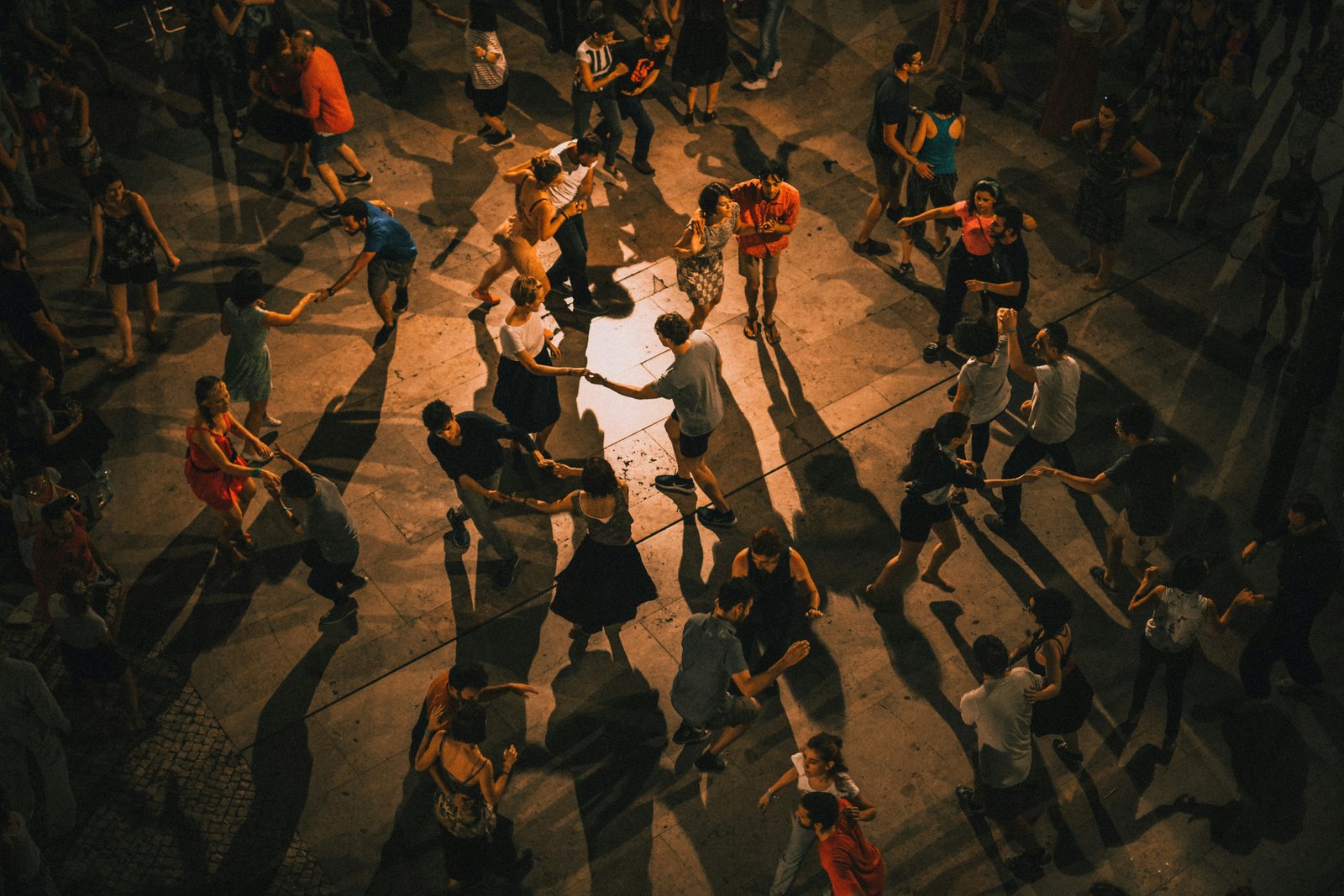
Cali is not just a city where people enjoy salsa. It is the city where the style was invented, refined over seventy years, and elevated to something with its own competitive rulebook, its own footwork vocabulary, and its own international festival circuit. If you want to learn salsa dancing, coming here is the equivalent of learning flamenco in Seville or tango in Buenos Aires - there is simply nowhere better, nowhere more concentrated, and nowhere more willing to teach you.
Prefer a booked lesson and night out? The Cali salsa tour on GetYourGuide pairs instruction with a guided visit to local salsotecas.
This is a guide specifically to the learning side of Cali’s salsa scene: where to take classes, what to expect as a beginner, how to progress, and how to time your visit for the biggest events.
What Makes Cali-Style Salsa Different
Before you book your first class, it helps to understand what you are about to learn. Cali-style salsa - locally called salsa caleña - is not the same as the Cuban salsa or New York-style salsa most visitors have encountered elsewhere. The differences are fundamental.
Cali-style is danced almost entirely on the spot. Dancers do not travel across the floor the way they do in other styles. The entire focus of the dance is on the feet: a rapid alternation of weight between left and right, with distinctive heel-toe footwork patterns (the chuchubelé) and tight, close-in spins. The lead is communicated through the centre of the body rather than through dramatic arm extensions. On a crowded dance floor at 1am, the result looks like an entire room quietly vibrating in unison.
The style is also danced on the 2-beat of the music, not the 1, which catches most non-Caleño dancers off guard initially. A single lesson with a good instructor will orient you - trying to figure it out by watching at a club is unnecessarily hard.
The Best Salsa Schools in Cali
Swing Latino
Swing Latino is the most prestigious salsa company in the city, founded by choreographer Luis Eduardo Hernández (known as El Mulato) in the late 1990s. The company’s dancers compete internationally and perform in the Delirio cabaret show, which is Cali’s most polished salsa production. The school runs structured classes across six progressive levels, each lasting approximately four months.
For visitors who want a shorter engagement, the school offers group classes on a drop-in or weekly basis. A one-time enrolment fee of approximately COP 30,000 to 40,000 as of 2026 is required, then classes run approximately COP 150,000 to 200,000 per month for eight sessions. Private instruction is available from approximately COP 100,000 per hour. Swing Latino is based in the La Alameda neighbourhood at Cra. 31 #7-25. Check schedules on arrival as timetables shift seasonally.
The school is oriented toward people who want to get serious about the style. If your goal is to understand Cali salsa at a technical level, this is the right choice.
Son de Luz
Son de Luz, founded by director Luz Aidé Moncayo Giraldo, takes a different approach: slow, methodical, and focused on the fundamentals that self-taught Caleño dancers never consciously articulate. Moncayo spent six months studying informally in traditional dance venues to identify the core mechanics of natural Caleño movement before designing her curriculum - so the teaching is based on observation of how people actually dance here, not on formalised theory.
The school is located at Calle 5B N° 26-65 in the Barrio San Fernando neighbourhood. Group classes run several times a week at various levels. The pace is patient enough for complete beginners and rigorous enough for travellers who dance another Latin style and want to relearn the Cali approach properly. Approximate cost is COP 20,000 to 30,000 per class as of 2026, with package rates available.
Son de Luz is the strongest choice for beginners who want structured feedback and personal attention rather than a high-volume production school environment.
Sabor Manicero
Sabor Manicero is one of Cali’s most traditional dance academies - smaller, neighbourhood-oriented, and focused almost entirely on salsa caleña in its most authentic form. It is frequently cited as the best entry point for first-time salsa students precisely because it has not been structured around international visitors or competition preparation. The teaching is practical: get you on a dance floor and functional, without performance pressure.
Group sessions run approximately 90 minutes and cost approximately COP 15,000 to 20,000 as of 2026, making it the most affordable quality option in the city. The school runs classes on multiple days each week.
SalsaPura
SalsaPura offers a broadly structured programme that combines Cali-style salsa with bachata and kizomba, which makes it a useful choice for visitors who want to cover multiple Latin dance styles in a short stay. The teaching is accessible, with dedicated beginner sessions, and the school is English-friendly for international visitors. Class costs are broadly comparable to other mid-range options in the city.
What to Expect in Your First Beginner Class
The first 10 minutes of any competent beginner class in Cali will cover one thing: where the beat is. This sounds obvious until you realise you’ve been hearing it wrong. Cali-style salsa dances to the clave rhythm underneath the melody, and specifically to the 2-beat - the second note in the musical bar. Most instructors will demonstrate by playing a track and counting out loud until students can identify the correct moment to step.
The rest of the first session covers the paso básico: the basic forward-back weight shift that underlies every Cali salsa movement. In a group class you will practise this in a line, then in pairs, then repeat. By the end of 60 minutes most people have the pattern but not yet the fluency - the footwork feels mechanical rather than musical, which is normal.
Second and third sessions introduce the chuchubelé foot patterns, basic partner leading, and simple turns. After three sessions of 60 to 90 minutes, most students can hold their own on a social dance floor with a patient partner. After six to eight sessions they can dance with most people in a Cali venue without causing problems.
Intermediate and Beyond
If you arrive in Cali already able to dance another Latin style - Cuban, New York, or ballroom - your experience will be mixed. You have the body awareness and musical ear, which helps. But Cali-style movement is laterally different enough that experienced dancers from other styles often find the first few sessions more frustrating than true beginners, because you have to actively suppress your existing habits.
Swing Latino’s Level 2 programme is the most appropriate structure for dancers with prior experience who want to engage seriously with the Cali style. Son de Luz also runs intermediate sessions. Both are honest about where you are in the learning process and adjust instruction accordingly.
For dancers who want competition-level training, a sustained stay is required. Swing Latino’s six-level programme takes over two years in full. Most visiting dancers aim for Levels 1 or 2 and use that as a foundation for social dancing during their trip.
When to Visit for Maximum Salsa Immersion
September - Festival Mundial de Salsa: The Festival Mundial de Salsa (typically September 24–27 as of 2026) fills the Teatro Jorge Isaacs with professional and amateur competition over four days. Additional workshops run in parallel, attracting instructors from across Latin America, Europe, and the US. If you want to watch elite-level Cali salsa dancing and access master classes with top teachers, September is the best time.
December to January - Feria de Cali: The Feria de Cali (December 25 to January 2) is the larger, more general festival - eight days where the entire city becomes a continuous salsa event. The venues run extended hours, the streets fill with dancing, and the energy is unlike any other period of the year. Hotels book out months in advance and prices increase substantially. This is the right time to visit if you want total immersion rather than focused instruction - the learning opportunity is different and comes from being surrounded by thousands of Caleños dancing at their best.
Any other month: Cali’s salsa culture does not switch off outside festival periods. Schools run year-round, venues operate Thursday through Sunday, and the standard at the salsotecas in Juanchito is consistently high. If you want lessons in a less crowded, less expensive environment, visiting outside December and September is perfectly valid.
Before You Go Out Dancing
Once you have a lesson or two in place, going out becomes significantly more rewarding. A few practical notes:
Venues don’t warm up until late. Cali’s best salsotecas - Tin Tin Deo, La Matraca, Zaperoco - fill from around 11pm and peak between midnight and 2am. Going at 9pm means an empty dance floor and a very different experience.
Ask to dance directly. Caleño dance etiquette is informal and direct. Making eye contact and extending your hand to invite someone to dance is standard. Hesitation is understood; refusal is uncommon and almost always polite.
Wear shoes you can pivot in. Leather-soled dress shoes or proper dance shoes allow the weight shifts and spins that trainers with rubber soles actively prevent. This is one of the single biggest practical improvements a beginner can make before their first social dance night.
For a structured introduction to both lessons and the city’s best venues, salsa tours and lessons in Cali lists operator options with English-speaking instructors who combine classroom time with guided evening outings to the salsotecas.
Browse hotels in Cali on Booking.com before you go. Granada and San Antonio are the best-positioned bases on foot.