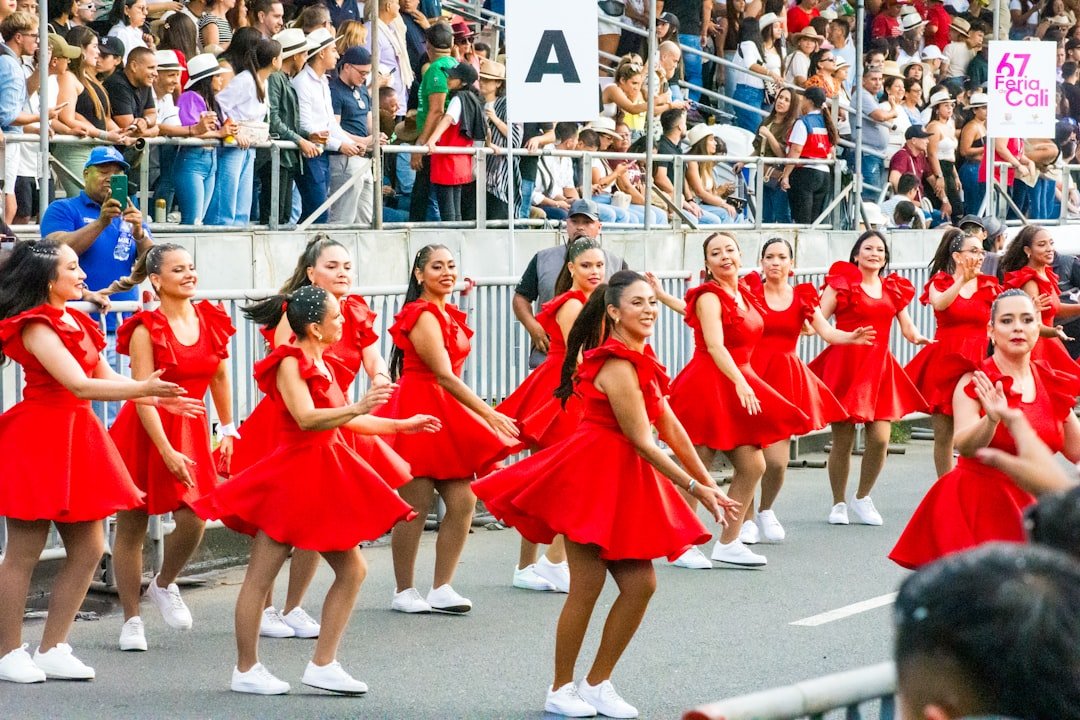
No other city in the world has salsa the way Cali does. The style was born here - in the barrios of Siloé, Aguablanca, and the riverside neighbourhood of Juanchito - and it is still danced here with an intensity that music and dance scenes in other cities simply cannot replicate. Cali claims the title of salsa capital of the world not as a marketing slogan but as a verifiable fact: there are more salsa schools, venues, and serious practitioners per capita here than anywhere else on earth. Coming to Cali without engaging with the salsa scene is like visiting Naples and skipping the pizza.
To see the scene with a guide, the Cali salsa tour on GetYourGuide is the easiest way to cover the main venues in one evening.
The Origins of Cali-Style Salsa
The story of Cali salsa begins in the 1950s when Cuban records - son, guaracha, danzón - arrived via gramophone shops and radio in the Cauca Valley. Local musicians and dancers in the working-class neighbourhoods adapted the Cuban rhythms to their own sensibility: faster, tighter, focused on footwork rather than on upper-body styling. By the 1970s, a recognisably Caleño style had emerged with its own vocabulary - the chuchubelé (a tight, fast heel-toe footwork pattern), the balseo (lateral weight shift on the beat), and the trademark close partner hold.
The Festival Mundial de Salsa - held every September in Cali - codified these elements into a competitive format and drew international attention to the city’s distinctive approach. Today the festival fills the Teatro Municipal with professional and amateur competitions and draws teams from across Latin America, North America, and Europe. If you visit in September, plan your entire schedule around it.
The Essential Venues
Tin Tin Deo
Tin Tin Deo is arguably the most famous salsa club in Cali - the venue that appears in every shortlist and that has maintained its reputation across decades of Cali nightlife. It sits in the south of the city in the Menga neighbourhood and operates Thursday through Sunday from approximately 9pm. The vibe is authentic rather than tourist-oriented: serious dancers come here to dance, not to perform for visitors. The floor gets genuinely crowded after midnight, the music is traditional salsa from live DJs with deep crates of classic vinyl, and the energy builds steadily through the early hours. Entry runs approximately COP 15,000 to 25,000 as of 2026 depending on the night.
Zaperoco Bar
Zaperoco is one of the great Cali institutions - a corner bar in the Obrero neighbourhood that has been pouring aguardiente and playing salsa since the 1980s. Smaller and more intimate than Tin Tin Deo, Zaperoco feels less like a nightclub and more like a neighbourhood social club that happens to have a dance floor. The music runs toward old-school Cuban and Colombian salsa rather than modern commercial tracks. It is an excellent first stop on a salsa night before moving on to larger venues - arrive around 9pm when the floor is less packed and the regulars are still in conversation mode.
La Topa Tolondra
Set in the San Antonio neighbourhood, La Topa Tolondra occupies a colonial building with an open courtyard and is perhaps the most architecturally beautiful of the main Cali venues. It hosts live salsa orchestras on Friday and Saturday nights - real bands, not DJ sets - and the sound and atmosphere on a good night are exceptional. The tourist footprint is slightly higher here than at Zaperoco or Tin Tin Deo, but the clientele is still predominantly Caleño. Entry with live music costs approximately COP 25,000 to 35,000 as of 2026.
Juanchito: Where Cali Salsa Lives
Juanchito is not a venue - it is an entire neighbourhood across the Río Cauca dedicated to salsa. The barrio holds dozens of dance venues ranging from tiny family-run bars to enormous dance halls that can accommodate several hundred people. Changó and Miraflores are among the biggest and most established. There is almost no tourism in Juanchito - this is how Caleños spend Saturday night, from teenagers to grandmothers, from construction workers to professionals. The social mix is the point.
Getting to Juanchito: take a registered taxi or InDrive from the city centre (approximately COP 15,000 to 20,000 as of 2026, 20 minutes). Do not walk there. A guided salsa night in Juanchito that includes transport is the easiest way to experience it safely on a first visit.
Learning Salsa in Cali
Swing Latino
Swing Latino is one of Cali’s most respected professional dance companies and runs structured classes for visitors at multiple levels. Group classes for beginners cost approximately COP 20,000 to 30,000 per hour as of 2026. Private instruction is available from approximately COP 80,000 per hour. The school is in the south of the city near Menga - check their current schedule on arrival in Cali as timetables vary seasonally.
Aquí con el Teso
A smaller, more personal option in the Granada neighbourhood - Aquí con el Teso is run by local instructors and offers 60-minute group classes several times per week. The teaching style is patient and practical, oriented toward getting visitors functional on a dance floor rather than competition-ready. Cost is approximately COP 20,000 to 25,000 per class as of 2026.
Most hotels in San Antonio and Granada can also arrange one-on-one salsa introductions through freelance instructors - ask at reception.
The Feria de Cali and Festival Mundial de Salsa
The Feria de Cali (late December, approximately December 25 to 30) is the city’s defining annual event - six days of salsa concerts, parades, canelazo open-air performances, and a general atmosphere that converts the entire city into a dance party. The street events are free. Concert venue tickets range from COP 30,000 for general admission to COP 200,000+ for seated sections with major performers. The parade component (the Salsódromo) runs on the evening of December 27 through Avenida 6 Norte and is one of the most spectacular free spectacles in South America.
The Festival Mundial de Salsa (September) is the competitive counterpart - professional and amateur teams compete in the Teatro Jorge Isaacs over several days. Finals tickets cost approximately COP 50,000 to 100,000 as of 2026. The festival also includes free street performances in the city centre throughout the week.
Practical Notes for the Salsa Night
When to go: Cali’s venues do not begin warming up until 10pm at the earliest, and peak hours run from midnight to 3am. Early evening is for dinner, not dancing.
What to wear: Smart casual is the Cali standard - clean trainers or dress shoes, jeans or trousers. Avoid heavily branded clothing, large jewellery, or anything that cannot be lost without regret.
Getting home safely: Pre-arrange your return taxi or have InDrive ready on your phone before you need it. Do not accept rides from unlicensed drivers waiting outside venues.
Cost for a salsa night: Budget approximately COP 60,000 to 100,000 per person for entry, drinks, and taxis for a solid evening across two or three venues, excluding dinner.
A Cali salsa tour with venue-hopping and transport is the most efficient way to cover multiple barrios safely in a single evening, particularly if you are travelling without local contacts.
Browse hotels in Cali on Booking.com before you go. Granada and San Antonio are the best-positioned bases on foot.