Gabriel Garcia Marquez was born in the small Caribbean town of Aracataca on 6 March 1927. He left as a child, but the town never left him. The mud streets, the banana plantations, the heat, the train station, the colonel’s house - all of it became the raw material for Macondo, the fictional town at the heart of One Hundred Years of Solitude. For anyone who has read Garcia Marquez, or who wants to understand where his imagination came from, a visit to Aracataca is genuinely affecting in a way that few literary pilgrimages manage to be.
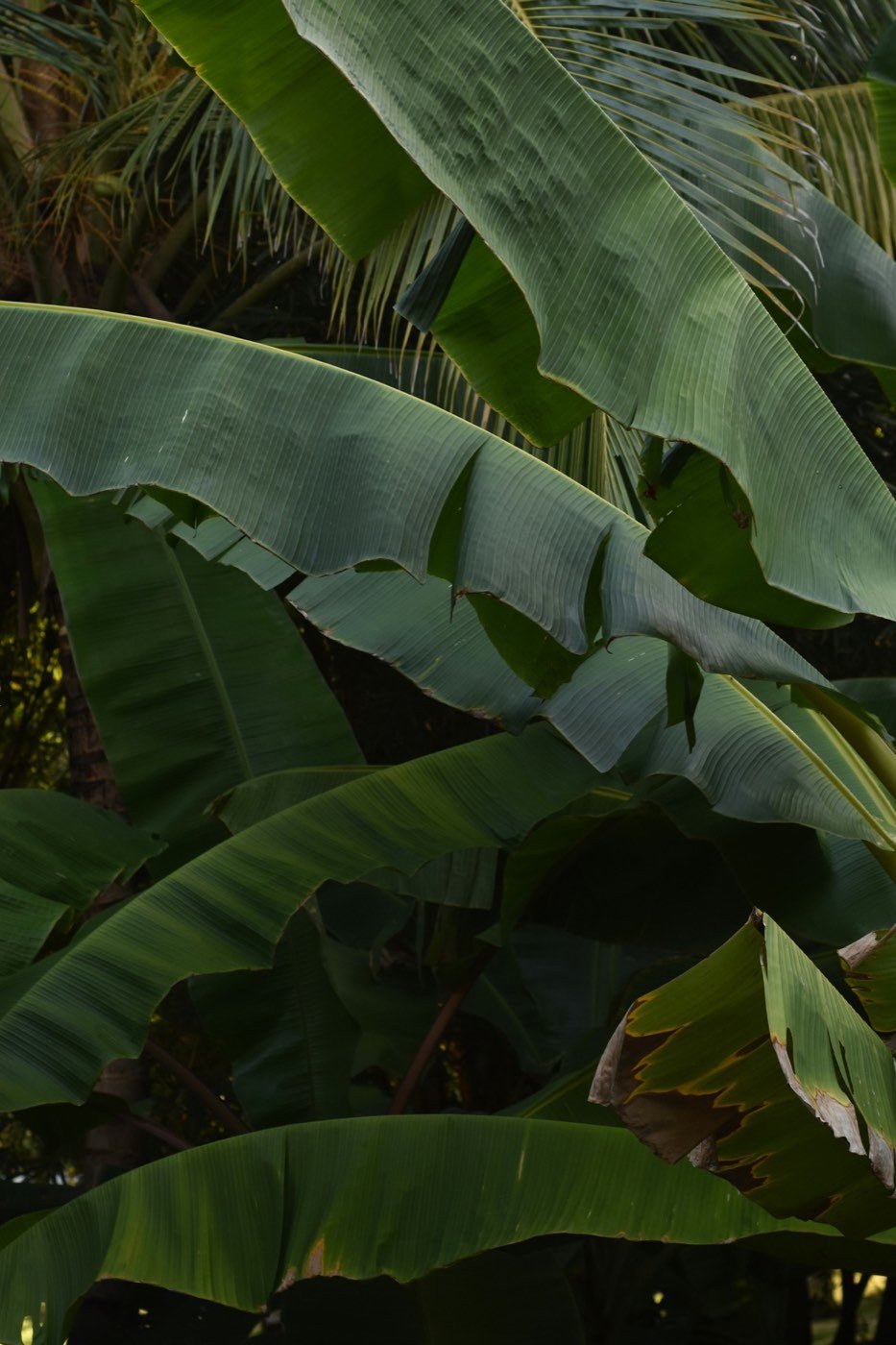
The town sits in the Magdalena department, roughly 90 kilometres southeast of Santa Marta on the road toward the interior. It is a small place, population around 40,000, and it functions mainly as a market town for the surrounding agricultural zone. The banana plantations that stretch out in every direction are a direct visual link to the world Garcia Marquez described: the United Fruit Company operated here in the early 20th century, and its presence and eventual departure shaped the landscape and the stories that emerged from it.
What to See and Do in Aracataca
Casa Museo Gabriel Garcia Marquez
The birth house is the centrepiece of any visit. The original house where Garcia Marquez was born was demolished long ago, but a faithful reconstruction was built on the same site and opened as a museum. It is not a grand building - it is the kind of low, simple Caribbean house typical of the region, with whitewashed walls, a shaded courtyard, and the specific quality of light that Garcia Marquez described in so many of his novels.
Inside, the rooms are arranged to evoke the domestic life of the family. There are photographs, personal objects, newspaper cuttings, and panels tracing the writer’s life from Aracataca to Bogota, Barcelona, and Stockholm. For context: Garcia Marquez won the Nobel Prize for Literature in 1982 and died in Mexico City on 17 April 2014. The museum is modest by the standards of most literary museums, but that modesty is appropriate - the building is more atmosphere than exhibition.
Entry is free; a small voluntary donation is appreciated. The museum is open Tuesday to Sunday, roughly 9am to 1pm and 2pm to 5pm, though hours can be irregular, particularly around public holidays. We recommend arriving early in the morning rather than timing your arrival for the afternoon session.
The Old Train Station
A short walk from the birth house, the old train station (Estacion del Ferrocarril) is one of the most evocative sites in Aracataca. It is the building that appears, barely disguised, in One Hundred Years of Solitude as the moment the outside world arrives in Macondo. The station no longer operates as a working rail facility, but the structure has been preserved and visitors can walk through and around it freely. There is no entry charge.
The yellow paint, the platform overhang, and the emptiness of the tracks are exactly as you would imagine from the novels. Early in the morning, before the day heats up, it is a particularly quiet and striking place to spend half an hour.
The Surrounding Landscape
Aracataca sits at the edge of the Sierra Nevada de Santa Marta foothills. The landscape immediately around the town is a combination of flat agricultural land, banana plantations, and the occasional patch of dry forest. This landscape is an active part of what makes the visit worthwhile - it is not a reconstructed or curated environment, it is simply what is there, and it matches the Garcia Marquez world closely enough to be disorienting if you have read the books recently.
A walk out from the town centre toward the working banana plantations takes around 20 to 30 minutes on foot. There is no formal tour structure: you walk the roads, look at the plantation rows, and the scenery does its work. The heat is substantial between 10am and 3pm, particularly from December to March, so an early start is strongly advisable.
The Church and Main Square
The church of San Jose on the main square is where Garcia Marquez was baptised. The square itself is the kind of central plaza common to small Colombian towns: a gazebo, benches, and fruit sellers in the morning. It is not a visitor attraction in itself, but it is part of the fabric of the place. Sitting in the square for a while gives a clearer sense of how ordinary and how specific Aracataca is, simultaneously.
How to Get to Aracataca
From Santa Marta
Santa Marta is the most practical base for visiting Aracataca. From Santa Marta’s Mercado bus terminal on Calle 11, buses and collectivos (shared minibuses) depart regularly throughout the morning. The journey takes 1.5 to 2 hours depending on traffic and the number of stops. Expect to pay COP 15,000 to COP 20,000 per person each way.
The last reliable buses back to Santa Marta depart Aracataca in the late afternoon, typically around 4pm or 5pm. If you plan a full day, confirm the return schedule with the driver or at the local terminal before you arrive, as frequencies drop in the evening.
From Barranquilla
From Barranquilla, the journey to Aracataca is approximately 2 to 2.5 hours by bus, heading south on the main coastal highway and then turning inland. Buses leave from Barranquilla’s bus terminal on Carrera 21 and connect through Santa Marta or directly to Aracataca depending on the operator. Expect to pay COP 25,000 to COP 40,000 each way. Barranquilla works as a base only if you are already there; Santa Marta is closer and a far more practical option.
Where to Stay
Aracataca has very limited accommodation. There are a small number of basic guesthouses in the town centre, but the standard is simple and availability is not guaranteed. For most visitors, the better approach is to stay in Santa Marta and make Aracataca a day trip.
Santa Marta has a well-developed range of hotels across all price points, from backpacker hostels in the historic centre to mid-range options near the beach district of El Rodadero. The city is also the gateway to Tayrona National Park and the Lost City trek, so combining Aracataca with a longer Santa Marta stay is a natural itinerary for anyone spending time on Colombia’s Caribbean coast. See our Santa Marta hotels guide for neighbourhood breakdowns and price ranges. For guided excursions from Santa Marta - including Tayrona National Park tours, Ciudad Perdida treks, and city tours - browse tours departing from Santa Marta.
If you are approaching from the north, Cartagena is further away but remains a reasonable base if you are already there for a few days. The drive from Cartagena to Aracataca is approximately 3 to 3.5 hours. Our Cartagena hotels guide covers the old town versus Getsemani options in detail.
Best Time to Visit
The Caribbean coast of Colombia has two broad seasons. The dry season runs from December to March, with lower humidity and reliable sunshine. This is generally the most comfortable time to visit Aracataca, though temperatures regularly exceed 35 degrees Celsius in the middle of the day.
The wet season peaks between September and November, when the surrounding landscape is greener but heavy afternoon rain is common. Visiting during the wet season is entirely possible and some would argue the landscape looks more like Garcia Marquez’s descriptions when the vegetation is lush. However, dirt roads on the outskirts of town can become difficult to navigate after heavy rain.
The town is busiest around 6 March each year, the anniversary of Garcia Marquez’s birth, when local events and some literary gatherings take place. March and August also see increased Colombian tourism tied to school holidays.
What to Know Before You Go
Aracataca does not have a significant tourist infrastructure. There are a few small restaurants on and near the main square that serve standard Colombian set lunches (COP 12,000 to COP 18,000 for a bandeja-style plate with rice, beans, meat, and salad) but options are limited and most close by mid-afternoon. There are no ATMs that reliably serve international cards, so bring cash from Santa Marta.
The town is safe to visit, but normal precautions apply: do not carry valuable items visibly, and keep your camera in a bag when walking the quieter streets. The main tourist zone around the birth house and train station is well-trafficked during the day and presents no particular concern.
A full visit to the birth house museum, the train station, the church square, and a walk toward the plantations takes three to four hours comfortably. Allow five hours if you want to move slowly, have lunch in town, and spend longer at the museum.