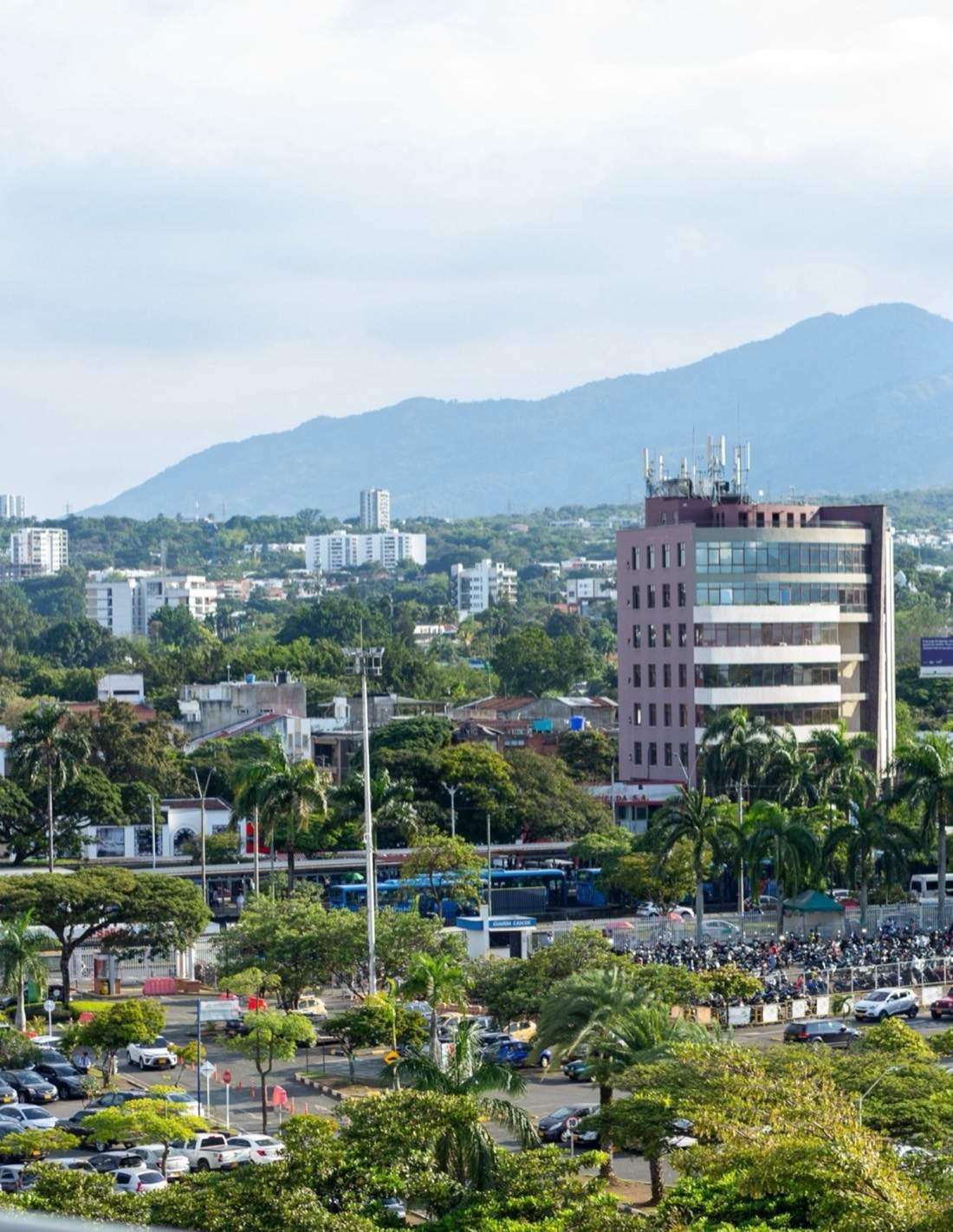
Colombia’s two most celebrated southern cities are roughly 440 kilometres apart, but they feel like different countries. Medellin sits in a narrow mountain valley at 1,495 metres, with a spring-like climate, a polished tourist zone, and a global reputation it has spent two decades carefully building. Cali drops further south to around 969 metres above sea level, runs hotter and flatter, and has spent those same two decades being largely overlooked by international tourism - which is exactly what makes it interesting.
Most visitors to Colombia choose one or the other for a city stop. Here is what each one actually delivers.
Climate and Altitude
Medellin’s climate earns its nickname - La Ciudad de la Eterna Primavera (City of Eternal Spring) - for good reason. Temperatures sit between 16 and 28 degrees Celsius year-round, with the rainy seasons falling in April to May and October to November. The altitude is comfortable enough that most visitors feel no effects.
Cali is meaningfully warmer. At roughly 969 metres, temperatures range from 19 to 30 degrees Celsius, and the dry months - December to February and June to September - are genuinely hot. The Cauca Valley’s lower elevation also means Cali feels more tropical: more palm trees, more humidity, more sun. This suits some travellers and exhausts others.
Winner for comfortable year-round conditions: Medellin. Winner for sun-seekers and warmth: Cali.
Salsa and Nightlife
This is the central comparison. Cali is the salsa capital of the world - a claim that is not contested seriously by anyone who has been there. The Cali style (Caleño) is faster, footwork-focused, and distinct from the salsa danced anywhere else. The Juanchito district on the city’s eastern edge concentrates the biggest traditional salsatecas, though the epicentre for visitors is the San Antonio neighbourhood, where smaller local clubs run until 4am most weekends. A salsa class in Cali costs from COP 30,000 to COP 80,000 per session. The Feria de Cali in late December - six days of salsa concerts, parades, and Caleño culture - is one of South America’s great parties.
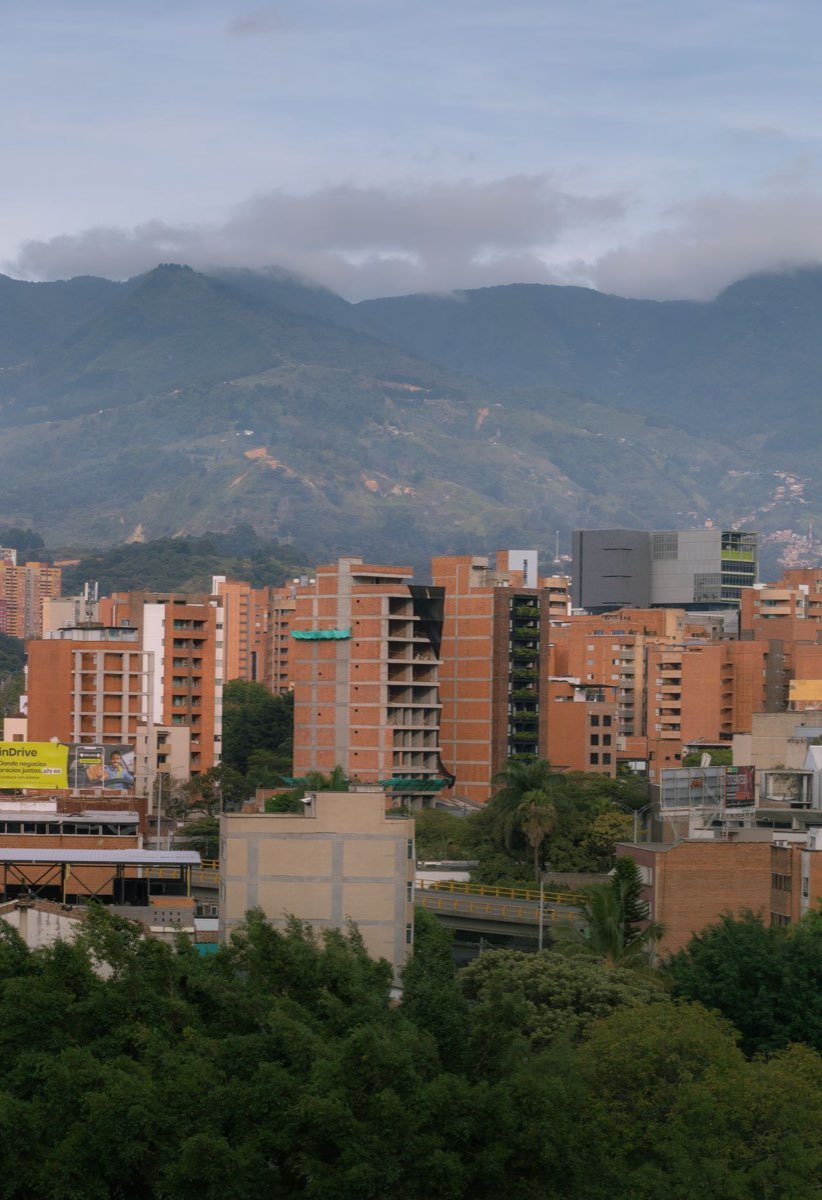 Medellin’s skyline from across the Aburra Valley.
Medellin’s nightlife is excellent but differently oriented. The Parque Lleras area in El Poblado concentrates cocktail bars, rooftop terraces, and nightclubs that attract a younger international crowd. Laureles-Estadio runs more local: neighbourhood bars, traditional aguardiente shots, and smaller venues. There is salsa in Medellin - especially in the traditional Manrique neighbourhood - but it plays second fiddle to Bogota and Cali in the Colombian ranking.
Winner for salsa: Cali - and it is not close. Winner for international-style nightlife: Medellin.
Tourist Infrastructure and Neighbourhoods
Medellin has invested seriously in tourism. El Poblado is a fully formed traveller neighbourhood: English menus, Airbnb apartments, hostels, co-working spaces, international restaurants, and an excellent metro connection to the rest of the city. The Metro de Medellín costs COP 3,200 per journey and is the cleanest urban transit system in Colombia. The Metrocable lines extend into the hillside comunas, making it genuinely easy to get from El Poblado to Comuna 13 in under 30 minutes. Laureles-Estadio is a solid alternative base - quieter than El Poblado, preferred by longer-stay visitors who want supermarkets and local bakeries alongside good restaurants.
Cali’s tourist infrastructure is improving but patchy. The San Antonio and El Peñón neighbourhoods have the best concentration of independent cafés, boutique hotels, and restaurants. Granada is Cali’s equivalent of Parque Lleras - upscale bars and international dining - though it is more car-dependent. Getting around Cali requires Uber (widely available) or the MIO Bus Rapid Transit system (COP 2,900 per journey), which covers the main corridors but does not serve all areas tourists want to reach. Taxis operate on meter but always confirm before getting in.
Winner for ease of navigation and tourist comfort: Medellin.
Food Scene
Medellin and the Antioquia region gave Colombia the bandeja paisa - a plate of red beans, white rice, chicharrón, chorizo, ground beef, fried egg, fried plantain, and arepa that has become a national icon. Expect to pay COP 20,000 to COP 40,000 for a full bandeja at a local restaurant. Beyond the regional staple, Medellin’s dining scene now covers sushi, Palestinian food, Japanese ramen, vegan tasting menus, and a growing specialty coffee culture rooted in the nearby Eje Cafetero.
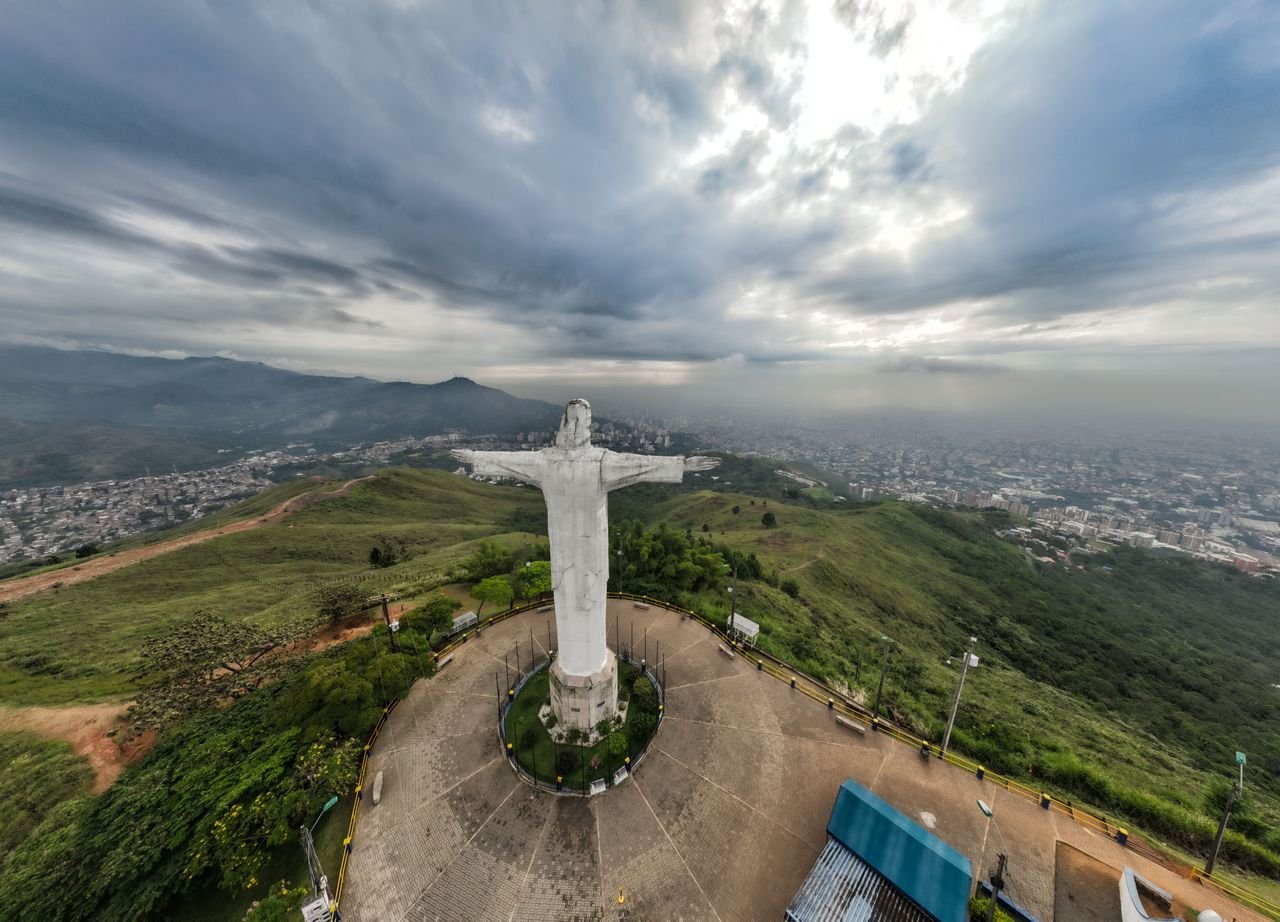 Cristo Rey watches over Cali.
Cali’s cuisine reflects its geography - the Pacific coast is two to three hours west, and the African-Colombian cooking traditions of the Chocó and Valle del Cauca departments are the backbone of the city’s food identity. Empanadas del Valle (lighter and crisper than the Bogota version), arroz atollado (a creamy, risotto-like rice with chicken), and sancocho de gallina (hen stew) are staples. The Mercado Alameda and the Sunday market in San Antonio are good places to eat cheaply. Cali’s food scene is less internationally diverse than Medellin’s but feels more rooted in its own culinary tradition.
Winner for international variety: Medellin. Winner for distinctive regional cuisine: Cali.
Day Trips and Activities
Medellin’s geographic position is arguably its greatest advantage over Cali. The Guatapé day trip - 80 kilometres east, 90 minutes by bus - is one of Colombia’s most photogenic experiences: a reservoir dotted with rocky outcrops and colourful lakeside towns, topped by El Peñón de Guatapé (a 220-metre granite monolith with 740 steps to the summit). The Coffee Region is a 3 to 4 hour drive south: Salento, Filandia, and working coffee fincas produce a two-night side trip that is a highlight of most Colombia itineraries. Paragliding in Medellin runs from the hills above the city for approximately COP 120,000.
Cali’s day trip options are less developed for tourism but compelling. Cali Zoo (Zoológico de Cali) is legitimately one of the best in South America - adult entry approximately COP 35,000 to 40,000 as of 2026, large outdoor habitats, Andean bears and tapirs among the highlights. The colonial town of Buga (75 km north) and the Pacific coast beaches around Buenaventura are within range, though Buenaventura requires care - it is a port city with security challenges in certain areas. The San Cipriano natural reserve (100 km west, accessible by hand-pushed rail cart) is a wild and undervisited experience.
Winner for day trips: Medellin.
Cost of Travel
Neither city is expensive by international standards. Medellin’s El Poblado premium means accommodation costs more in the tourist zone: expect to pay COP 55,000 to COP 80,000 per night for a hostel dorm, and COP 150,000 to COP 280,000 for a decent private room. Outside El Poblado in Laureles-Estadio, prices drop by 20 to 30 per cent for comparable quality.
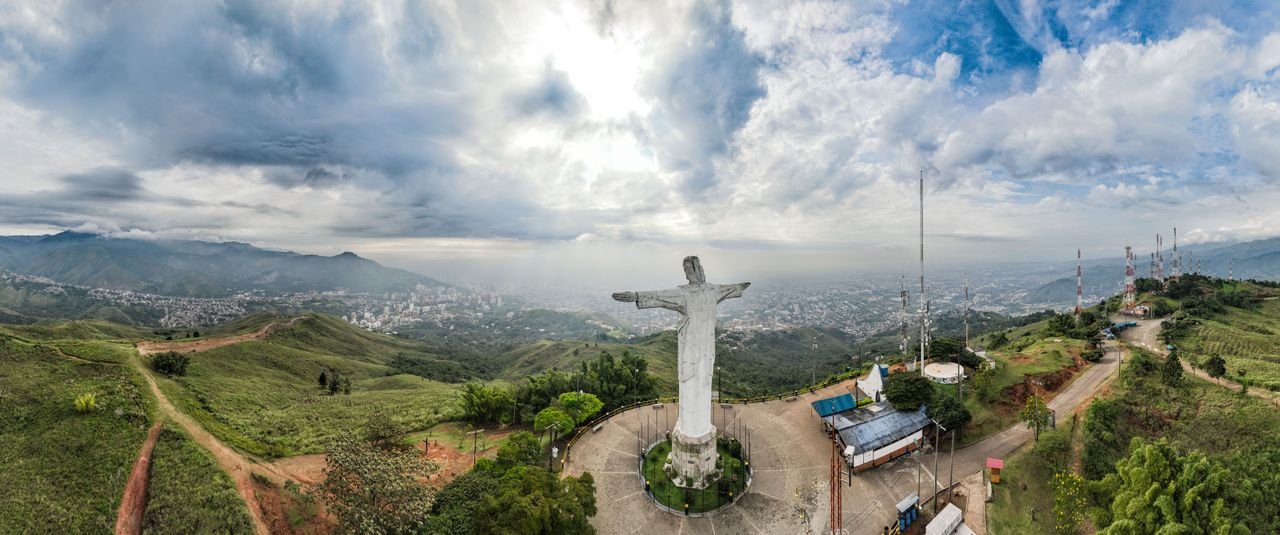 Cali spreads across the Cauca Valley.
Cali runs cheaper across most categories - partly because it sees fewer international tourists and partly because the city’s scale means competition is less concentrated in one neighbourhood. Hostel dorms start from COP 40,000, private rooms from COP 110,000. Meals in local comedores (lunch spots) cost COP 8,000 to COP 15,000. Taxis and Uber are meaningfully cheaper than in Medellin.
Winner for budget travellers: Cali.
Safety
Both cities have improved substantially over the past fifteen years and both require standard urban awareness. Medellin’s tourist zones - El Poblado, Laureles - are generally safe at night. The city’s investment in cable cars and infrastructure in the northern comunas has reduced some historical tension points, though visitors exploring beyond the established tourist areas should do so with a guide or local contact. Scopolamine (burundanga) scams are a confirmed risk in certain bar areas of El Poblado; never accept drinks from strangers.
Cali requires slightly more attention. The eastern barrios and the Juanchito area after 3am carry higher risk; the central bus terminal area has a poor reputation after dark. The tourist zones of San Antonio, El Peñón, and Granada are generally fine during the day and early evening. Stick to Uber rather than unmarked taxis.
Winner for ease of safety navigation: Medellin, slightly.
Which Should You Choose?
Choose Medellin if this is your first visit to Colombia, if you want good English-language tourist infrastructure, if day trips to Guatapé and the Coffee Region are on your list, or if you are planning a longer stay with co-working in mind.
Choose Cali if you want to take a salsa class at the world’s salsa capital, if you prefer lower costs and fewer tourists, if you want a more authentic Colombian city experience, or if the Feria de Cali in late December fits your dates.
The honest answer for anyone with more than ten days in Colombia: both. A 10-day Colombia highlights itinerary can incorporate Bogota, the Coffee Region, Medellin, and Cali - and three or four days in each city is enough to understand what makes them different.