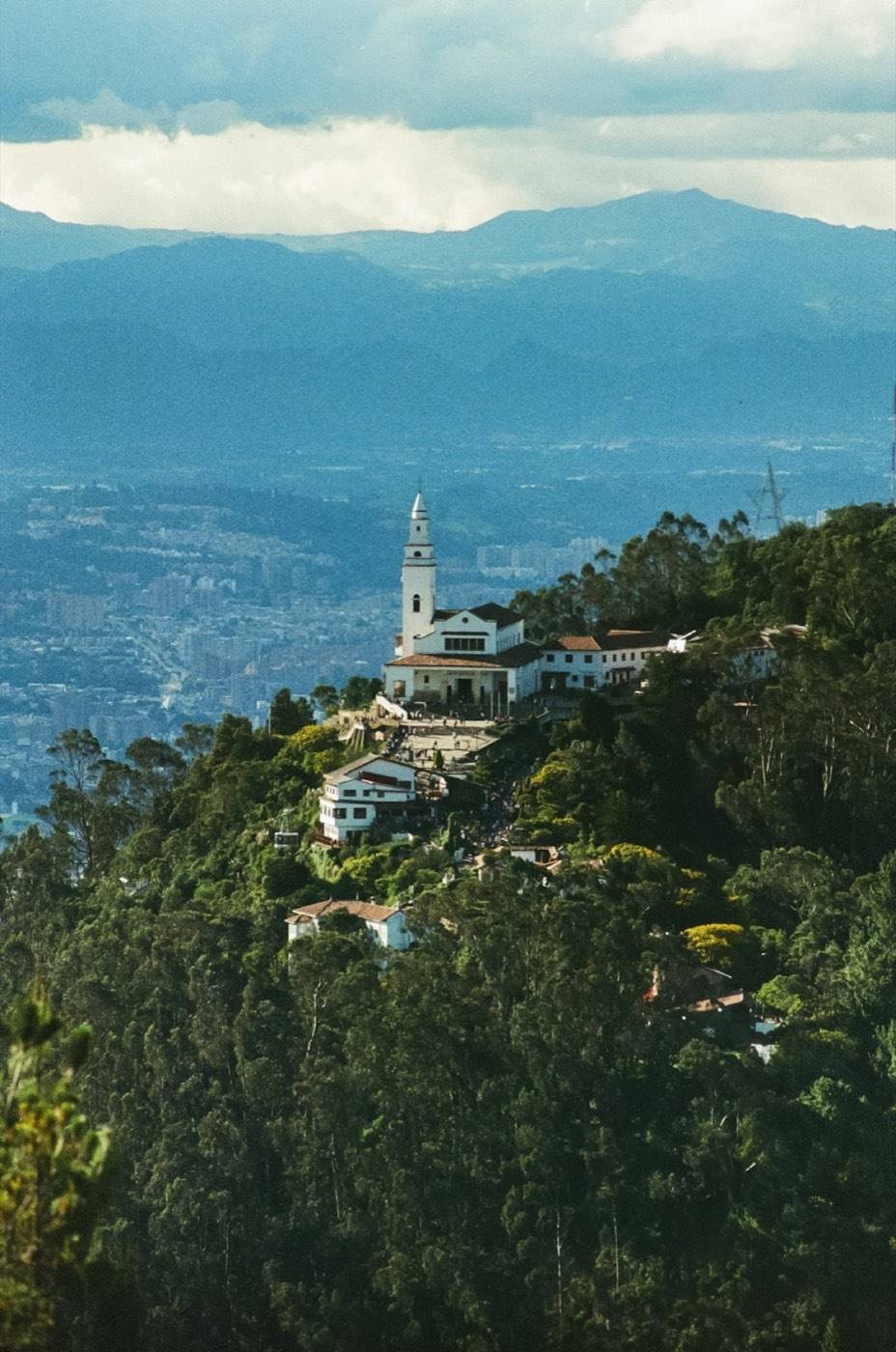
Colombia’s two biggest cities draw visitors for different reasons. Bogota is the capital - a sprawling 8 million person metropolis at 2,640 metres above sea level, with world-class museums, a buzzing gastronomic scene, and a historic centre that rewards several days of exploration. Medellin sits lower in the Andes at 1,495 metres, has a spring-like climate year-round, and has spent two decades building a reputation as one of South America’s most innovative cities. The debate between them is not about which is better - it’s about what each one gives you.
Size and Scale
Bogota is enormous. The city proper covers 1,775 km² and is one of South America’s largest cities. The historic La Candelaria district, the hip Chapinero neighbourhood, the upscale Zona Rosa, and the sprawling southern working-class barrios each feel like separate cities. Getting around requires the Transmilenio bus rapid transit system (COP 3,000 per journey, approximately USD 0.70) or taxis (Uber and InDrive are widely used, COP 8,000 to COP 25,000 for most journeys). The scale can be disorienting at first - a good base is the La Candelaria or Chapinero area, which minimises transit time to the main sights.
Medellin is smaller but still substantial at around 4 million in the metro area. El Poblado in the south and Laureles-Estadio to the west are the main traveller zones, and both are walkable within their own boundaries. The metro and cable car system are genuinely useful - a metro ride costs COP 3,200 (USD 0.75) and the Metrocable to the north connects the valley floor to the hillside comunas in 10 minutes.
Winner for compactness and ease of navigation: Medellin.
Climate
Bogota at 2,640 metres is markedly cooler than any other major Colombian city. Average temperatures run 7 to 19 degrees Celsius, and the city can feel genuinely cold at night, especially in the wet seasons (April to June and October to November). Packing a warm jacket is not optional. The altitude also means acclimatising travellers sometimes feel breathless on the first day or two, particularly if arriving directly from sea level.
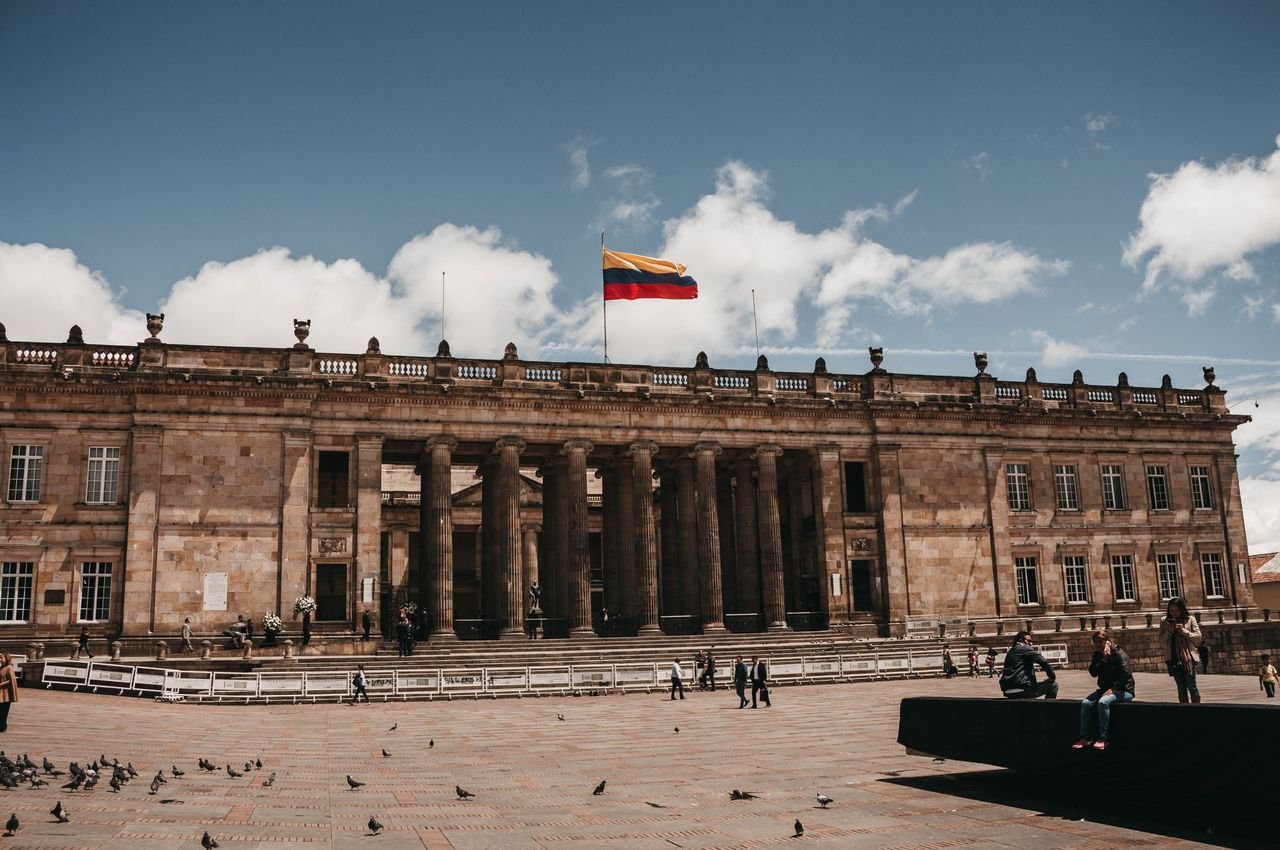 Plaza de Bolivar, the civic heart of Bogota.
Medellin at 1,495 metres earns its nickname “La Ciudad de la Eterna Primavera” (The City of Eternal Spring). Temperatures range from 16 to 28 degrees Celsius year-round, with afternoon rain in April to May and October to November. Light layers and a small umbrella cover most conditions. The climate alone makes Medellin significantly easier to enjoy without adjustment.
Winner for climate: Medellin.
Museums and Culture
Bogota has the strongest museum offering in Colombia, and arguably in northern South America. The Gold Museum (Museo del Oro) houses the world’s largest collection of pre-Columbian gold - entry is COP 5,000 (approximately USD 1.20) and the collection is genuinely extraordinary, with over 55,000 gold pieces including the famous Muisca raft. The Botero Museum in La Candelaria has 123 works donated by Fernando Botero and is free to enter. The National Museum (Museo Nacional) covers Colombian history from pre-Columbian times to the present in a 19th-century prison building - entry COP 4,000. The private art galleries in Chapinero and Usaquen add further cultural depth.
Medellin has a solid museum scene but cannot match Bogota’s depth. The Museo de Antioquia houses the Botero collection donated to Medellin (23 paintings and 23 sculptures) - entry USD 4. The Casa de la Memoria museum documents the armed conflict and its victims - free entry and genuinely moving. The Parque Explora science museum is excellent for families (entry USD 8). The Museum of Modern Art Medellin (MAMM) runs strong contemporary exhibitions - entry USD 4.
Winner for museums and cultural institutions: Bogota.
Food
Bogota has quietly become one of Latin America’s best restaurant cities. The Usaquen and Chapinero neighbourhoods have a density of serious restaurants covering Colombian, Japanese, French, and Peruvian cuisine. Andres DC in Usaquen is one of the most famous restaurants in Colombia - theatrical, enormous, and serving traditional Colombian dishes with modern touches, at USD 20 to USD 40 per main course. The Paloquemao market is the city’s main produce market and the best place to eat Colombian fruit and try fresh juice combinations you won’t find elsewhere.
Medellin matches Bogota at the top end of dining and beats it for casual eating value. Pergamino Cafe in El Poblado regularly appears on lists of the best coffee bars in South America. The Mercado del Rio food hall has 30 to 40 vendors - a full meal of protein, vegetables, and a drink runs USD 5 to USD 10. Carmen and Masa are standout fine dining options (USD 50 to USD 90 per person for a tasting menu). The bandeja paisa at a local fonda costs under USD 6.
Winner for food: A draw - Bogota has more depth at the high end; Medellin has better value and consistency across price points.
Nightlife
Bogota’s nightlife centres on the Zona Rosa and Parque de la 93 in the north - both commercial and reliable, with clubs and bars running until 3 or 4 am on weekends. The Chapinero neighbourhood has a wider alternative scene including LGBTQ bars and underground electronic music. Bogota Graffiti Tour, which usually runs Saturdays and Sundays in La Candelaria, is one of the best ways to understand the city’s street art culture.
Medellin has Colombia’s most celebrated nightlife. The Parque Lleras area in El Poblado has a high concentration of bars and clubs, particularly busy Thursday to Saturday. Laureles has a more local scene. The city’s reggaeton, salsa, and electronic music culture is embedded in the social fabric in a way that Bogota’s isn’t quite. Medellin’s nightlife is less affected by altitude than Bogota’s - you’ll feel the energy before midnight rather than after warming up for an hour in the cold.
Winner for nightlife: Medellin.
Day Trips
Bogota’s best day trips include: the Zipaquira Salt Cathedral, 49 km north - a cathedral carved inside a salt mine at 180 metres underground, entry USD 20 (1.5 hours by coach); the town of Villa de Leyva, 200 km northeast (3 hours by bus), a preserved colonial town with a huge central plaza; and Laguna de Guatavita, the original El Dorado lake of Muisca legend, 75 km northeast (about 2 hours by bus and a 1-hour hike to the lake rim, entry USD 8). See the Villa de Leyva guide for full logistics.
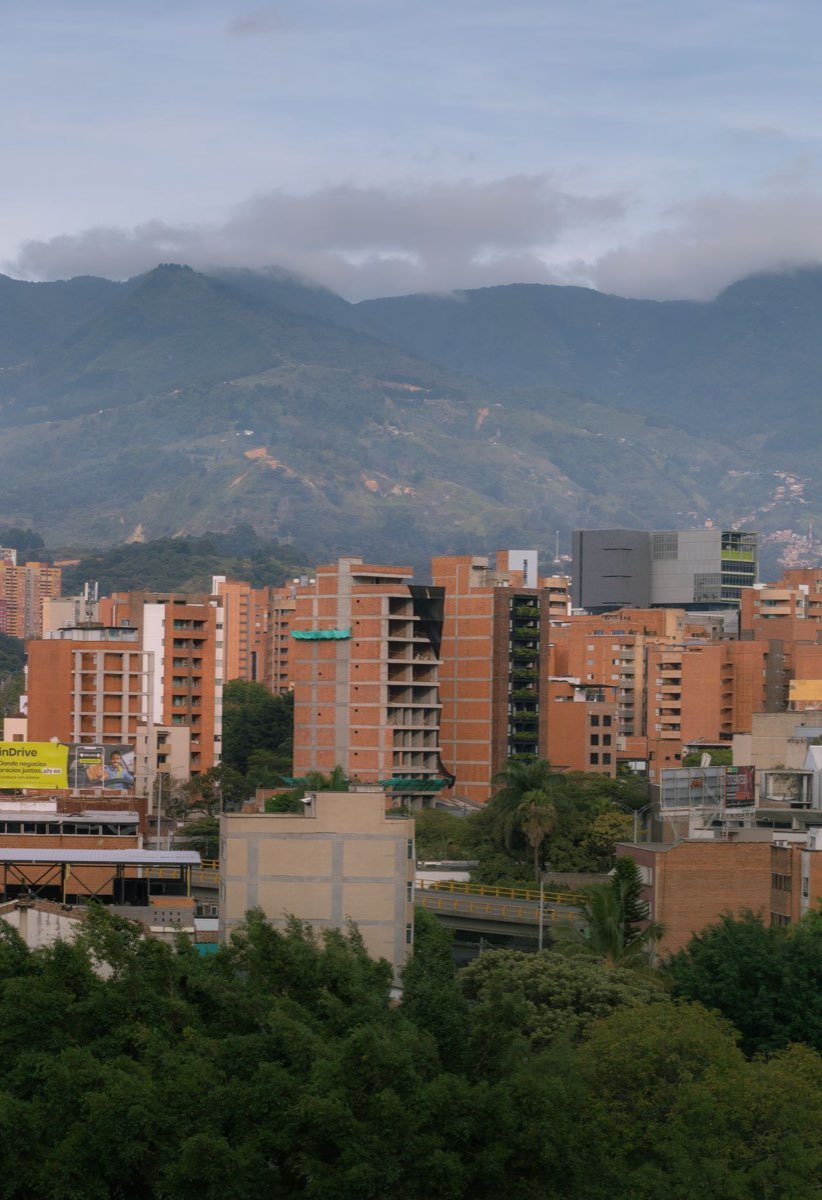 Medellin’s skyline fills the Aburra Valley.
Medellin’s most popular day trip is Guatape and the El Penol rock - 90 km (1.5 hours by bus from Terminal del Norte), with 700 steps to the summit and panoramic views over 69 reservoirs. Full day trip cost including transport and entry is USD 20 to USD 30. The Jardin coffee town (3 hours southwest) and the Salento area of the coffee region are common 2-day extensions from Medellin.
Winner for day trips: A draw - both cities have excellent options at different distances.
Budget
Bogota runs slightly more expensive than Medellin for equivalent accommodation and dining. Mid-range hotel in Chapinero or La Candelaria: USD 50 to USD 120 per night. Meals at a casual restaurant: USD 8 to USD 18. Transport is very cheap - Transmilenio covers most journeys for under USD 1. A comfortable daily budget runs USD 60 to USD 120 per person.
Medellin is cheaper for accommodation and roughly equivalent for food. El Poblado hotels run USD 40 to USD 100 per night for mid-range. Meals at local restaurants run USD 5 to USD 15. A comfortable daily budget runs USD 50 to USD 100 per person.
Winner for budget: Medellin (marginally).
For neighbourhood-by-neighbourhood hotel picks in each city, see our Bogota hotels guide and Medellin hotels guide.
Safety
Bogota and Medellin both carry reputations shaped by the 1990s that no longer reflect current reality in their visitor zones. Both cities have specific neighbourhoods that present serious risk, and both have areas that are safe, active, and well-policed.
In Medellin, El Poblado and Laureles are the main visitor areas. El Poblado has a concentrated bar and restaurant scene and is heavily patrolled; petty theft is the main risk rather than violent crime. Laureles is more residential and lower-profile. The metro system is safe during daylight hours and into early evening. Avoid riding the metro cable lines into the hillside comunas alone at night.
In Bogota, La Candelaria (the historic centre) requires more situational awareness than El Poblado. Phone snatching and express kidnapping - where a victim is taken to an ATM - occur more frequently in Bogota than in Medellin’s tourist zones. Zona Rosa and Chapinero Alta are generally safe. The TransMilenio bus system attracts pickpockets; Uber or InDriver are better options for longer crossings.
Neither city is uniformly dangerous. Medellin’s main visitor zone is more contained and has a higher ratio of other travellers, which makes orientation easier on arrival.
Winner for ease of navigation in the visitor zone: Medellin.
Digital Nomad Infrastructure
Medellin has positioned itself deliberately as a remote work destination. The co-working ecosystem is extensive: spaces like Selina Laureles, Atomhouse, and Selina El Poblado offer day passes (approximately USD 10–15) and monthly memberships. Fibre internet is standard in Laureles and El Poblado apartments, with monthly furnished one-bedrooms from around USD 600–800. The city’s 90-day tourist visa entry gives most nationalities a long runway.
Bogota has solid infrastructure too - Calle 93 and Chapinero have a growing number of co-working spaces at USD 15–25 per day - but the network is less concentrated. The capital attracts more business travellers and fewer long-stay leisure nomads, which shapes the social scene toward meetings over poolside work. For anyone needing specific business meetings, government contacts, or embassy services, Bogota is the obligatory base.
Winner for digital nomad lifestyle: Medellin.
Flight Connections
Bogota’s El Dorado International Airport (BOG) is Colombia’s main hub and the entry point for most international flights. Direct routes operate from Madrid, London, Miami, New York, São Paulo, Lima, and a dozen other international cities. If you’re flying directly to Colombia from outside the Americas, you almost certainly land in Bogota first.
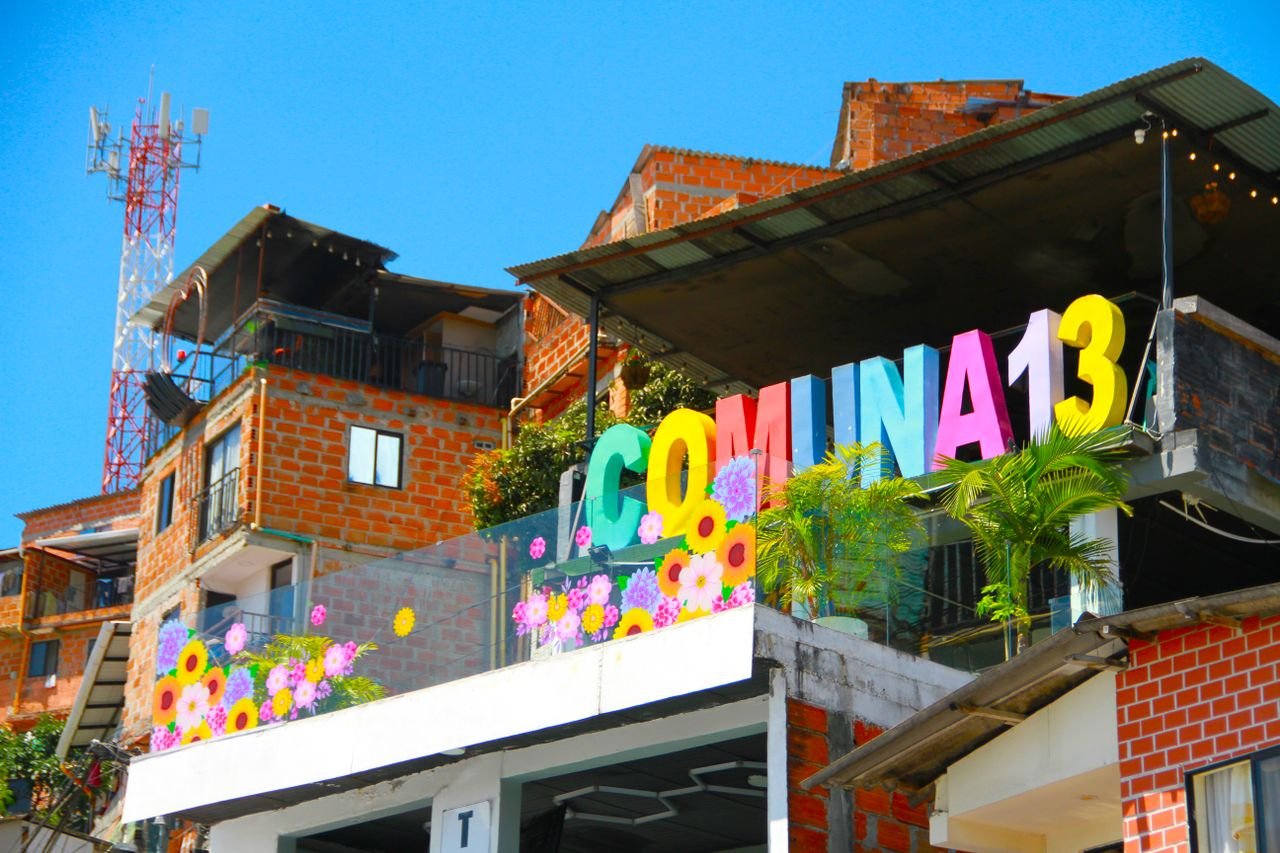 Street art in Comuna 13, one of Medellin’s most visited districts.
Medellin’s José María Córdova Airport (MDE) has grown its international connections - Spirit, JetBlue, and Avianca operate routes from Miami, Fort Lauderdale, and New York - but it is still smaller than BOG. Domestic connections from Bogota to Medellin take 55 minutes and are frequent; budget airlines (Wingo, JetSMART) often price under USD 30 if booked in advance. Starting in Bogota and ending in Medellin (or vice versa) is the standard Colombia itinerary structure precisely because it avoids backtracking.
Altitude and Health
Bogota’s altitude of 2,640 metres is significant enough to affect some travellers - headaches, breathlessness, and fatigue on the first day are common. Drinking water, avoiding alcohol for the first 24 hours, and taking the first day slowly reduces the impact considerably. The effect passes quickly for most people. Medellin’s 1,495 metres is much less of a factor and rarely requires adjustment.
If you’re arriving in Colombia for the first time, starting in Medellin and moving to Bogota later (rather than the reverse) means you acclimatise gradually. Most direct international flights land in Bogota, so this isn’t always possible.
Who Should Prioritise Bogota
- Museum enthusiasts - the Gold Museum and Botero Museum alone justify 1 to 2 dedicated days
- History and colonial architecture lovers
- Travellers arriving and departing from the main international hub (El Dorado airport)
- Those extending into Colombia’s coffee region or northern coast via internal flight
Who Should Prioritise Medellin
- City-based travellers who want the best food and nightlife experience per dollar spent
- Digital nomads (Medellin has the stronger long-stay infrastructure)
- Anyone sensitive to cold or altitude
- Travellers using Medellin as a base for coffee region day trips to Salento, Guatape, and Jardin
Verdict
Both cities belong on any Colombia itinerary of 10 days or more. A standard week-to-10-day Colombia route covers Bogota (3 nights) and Medellin (4 nights) as a minimum - flying between them takes 1 hour and costs from USD 50 return. Bogota wins for scale, museum depth, and the sense of encountering Colombia’s capital in full; Medellin wins for climate, value, nightlife, and the ease of a more contained city. If forced to choose one on a short trip: Medellin is the more immediately enjoyable city for most travellers; Bogota is the more culturally significant.