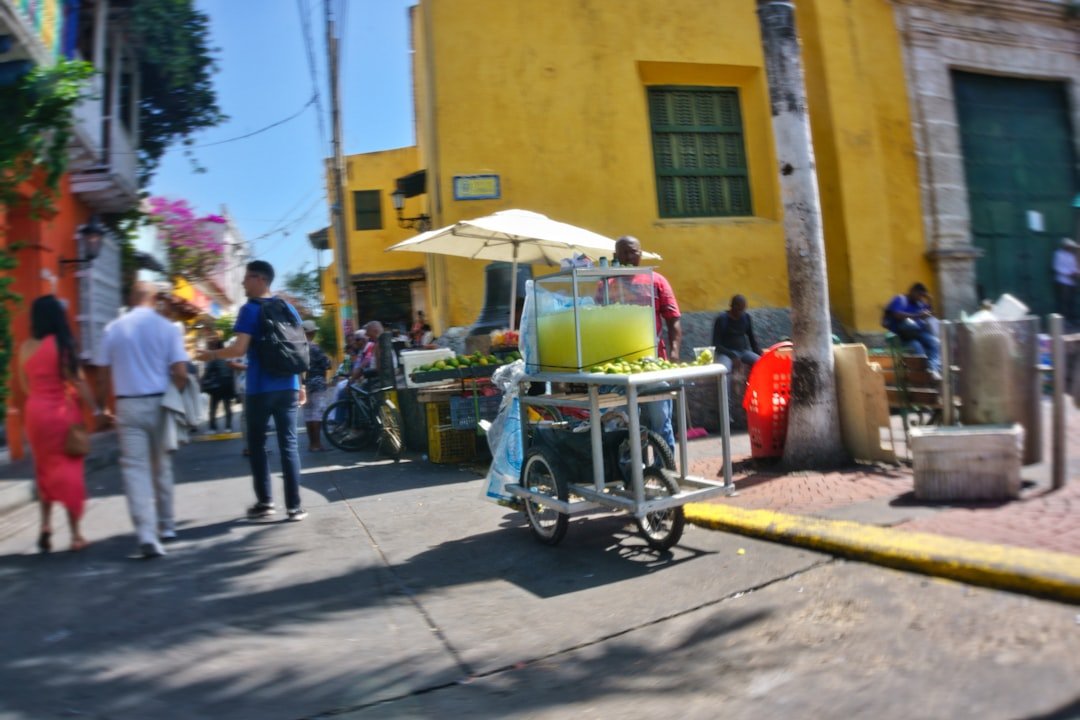
Colombia does not have a single national drink - it has several, each tied to a region, a time of day, and a social setting. Aguardiente at a finca party on a Friday night is a completely different cultural experience from a tinto at 7am in a Bogota market or a lulada poured from a glass pitcher in Cali on a Sunday afternoon. Understanding what to drink, when, and where to find the good versions is part of understanding the country.
Aguardiente: The National Spirit
Aguardiente (literally “burning water” from the Spanish) is Colombia’s primary spirit - a sugar cane liquor distilled with anise, giving it a sharp, herbaceous flavour. It is not a sipping drink. It is served in small shot glasses (called copitas), drunk quickly, often at the table before meals, at parties, and through the night at regional celebrations.
Every department produces its own regional label, and Colombians are fiercely loyal to their home brand:
Aguardiente Antioqueño: The most consumed aguardiente nationally. Produced in Medellin by the Industria Licorera de Antioquia, it is available in two versions - the standard blue-label and a slightly sweeter yellow-label. In Medellin bars, a shot costs approximately COP 3,000 to 6,000. A 750ml bottle in a tienda runs COP 28,000 to 38,000 as of 2026.
Néctar: The second Antioquian label, slightly sweeter and considered the more accessible introduction for people unfamiliar with anise spirits. Widely available in Medellin bars alongside Antioqueño.
Aguardiente del Valle: Produced in Cali and the Valle del Cauca region, drunk at salsa clubs and celebrations throughout the south. Slightly different flavour profile - less anise-forward than the Antioquian version. A bottle in a Cali tienda costs approximately COP 22,000 to 32,000.
Aguardiente Cristal: The Bogota-region label, produced by the Empresa de Licores de Cundinamarca. Standard bar pour in Bogota bars; approximately COP 4,000 to 7,000 per shot.
How it is drunk: Neat, at room temperature, from small glasses. Never on ice - this is considered a mistake by most Colombians. Often drunk alongside a cold beer (the Águila or Club Colombia varieties are most common). At parties and celebrations, bottles are passed around the table and shots poured collectively - refusing is considered mildly antisocial unless you have a good reason.
Where to drink it: At any tienda (corner store) in any Colombian city, aguardiente is available to drink on the premises in shot glasses for COP 2,000 to 4,000. At a salsa club in Cali, a bottle for the table is standard practice. In Medellin, the Parque de la 70 bar strip in Laureles is the most lively place to experience the social drinking culture around aguardiente.
Tinto: The Daily Black Coffee
Tinto is the smallest, cheapest, most democratic drink in Colombia - a small cup of black coffee, usually from a vacuum flask or small stovetop pot, poured and sold from carts and market stalls all day from 5am to 9pm. At COP 1,000 to 2,000 per cup, it is drunk several times daily by most working Colombians.
It is not the same as specialty Colombian coffee. Tinto uses ordinary commercial-grade coffee, brewed strong and usually pre-sweetened by the vendor. The cup is small - roughly 80ml - and the experience is fast: you buy it, drink it standing at the cart or sitting on a nearby step, and move on in two minutes.
Where to find the best tinto:
- Market vendors in Mercado de Paloquemao (Bogota) serve tinto from 5am alongside their produce stalls. This is the most authentic context - buy one while browsing the fruit section.
- In Medellin, the cart vendors around Plaza Minorista serve good tinto from 6am. The women who sell it often also carry small empanadas.
- In Cali, look for the Juan Valdez mobile carts in the Chipichape area and around the Parque del Perro neighbourhood - though these are a step up in quality and price from a standard street tinto.
Specialty coffee versus tinto: Colombia produces some of the world’s finest coffee but exports most of the top grades. If you want to experience Colombian specialty coffee properly, seek out dedicated roasters: Pergamino in Medellin (Calle 10 No. 41-117, El Poblado and other locations), Azahar Coffee (Medellin and Bogota branches), Café Quindío in the coffee region, and Varietales in Bogota’s Chapinero neighbourhood. A single-origin filter coffee at these places costs COP 8,000 to 16,000 - completely different from tinto but worth it at least once.
Coffee farm tours: To see where Colombian coffee is actually grown and processed, the best options are working finca tours in the Salento area. Finca El Ocaso (from approximately $23) is one of the most popular - small-group guided tours walk through the picking, washing, drying, and roasting stages. Book in advance: Coffee Farm Tour at Finca El Ocaso from Salento. For a cupping-focused alternative: Salento: Coffee Experience & Tasting at El Jazmín Farm.
Lulada: Cali’s Essential Cold Drink
Lulada is a Cali speciality that is entirely unknown outside of the Valle del Cauca region and increasingly rare even in the rest of Colombia. It is made from lulo (a small, orange citrus-adjacent fruit native to the Andes, also called naranjilla in Ecuador) - the fruit is cut, squeezed, and macerated rather than blended, so the drink is intensely fruity and slightly pulpy, not smooth.
Traditionally served in a clear glass pitcher with ice and water, lulada is sharp and refreshing with a flavour that sits between lime juice and pineapple - it is difficult to describe but instantly recognisable. It is drunk with snacks, with empanadas, or on its own in the heat. In Cali’s 32°C average temperature, it is one of the most practical drinks you can order.
Where to find it in Cali:
- Calle de la Escopeta in San Antonio: Several long-running drinks stalls serve classic lulada in large glasses for COP 5,000 to 9,000. This is the neighbourhood most associated with the drink.
- Galería Alameda market: Juice vendors at the market sell lulada by the glass or by the litre from approximately 7am. Quality varies by vendor - look for the ones with fresh whole lulos visible.
- Parque del Perro area: Several casual cafés serve lulada as a menu item, priced at COP 7,000 to 12,000 for a large glass.
Aguapanela con limón: A closely related drink and worth mentioning here - raw cane sugar (panela) dissolved in cold water with a squeeze of lime. Even cheaper and more commonly drunk than lulada, this is the working-class refreshment of most of Colombia. At a street stall, a glass costs COP 1,500 to 3,000.
Hot Chocolate Con Queso: A Colombian Breakfast Ritual
Chocolate santafereño - hot chocolate served with a piece of fresh white cheese for dunking - is one of the most distinctly Colombian food customs, and one that confuses visitors until they try it. The cheese (usually coastal white cheese, queso costeño, or the firmer queso campesino) is dropped into the chocolate, left for 30 to 60 seconds to soften slightly, then eaten with a spoon between sips. The salty, semi-melted cheese against the sweet dark chocolate is a specific pleasure.
This is above all a Bogota and coffee region tradition - the altitude and cooler temperatures make a warm chocolate at breakfast the logical choice. In Cali and on the coast, the custom is less common.
What the chocolate is made from: Not cocoa powder. The traditional method uses a chocolate block - sold in most Colombian supermarkets as a tablet to be dissolved in warm milk. The most recognised brands are Luker (from Medellin, produced since 1906), Corona (from Bogota), and Choco Frisby (from the Valle del Cauca). A Luker chocolate tablet to make four cups costs approximately COP 4,000 to 6,000 in a supermarket.
Where to drink it:
La Puerta Falsa (Calle 11 No. 6-50, La Candelaria, Bogota): The oldest active eating counter in Bogota, operating since 1816. Hot chocolate with queso and a plate of almojábanas (cheese rolls) is the classic order. Chocolate runs approximately COP 7,000 to 10,000 as of 2026. The room has eight tables and a line forms at weekends.
Café de los Ángeles (Calle Real 8-19, Popayán): The white colonial city of Popayán has one of the best morning chocolate traditions in the country. This historic café serves chocolate santafereño with traditional Caucano breads for COP 9,000 to 14,000.
In the coffee region - particularly in Salento, Filandia, and around the plazas of Armenia - morning chocolate is the standard breakfast before a farm or valley walk, served at posadas and cafés for COP 7,000 to 12,000 with bread or almojábanas.
Champús: The Corn and Fruit Drink of the South
Champús is a traditional drink from the Valle del Cauca and Cauca regions - a thick, cold drink made from corn (maíz) masa cooked with water, sweetened with panela (raw cane sugar), and flavoured with lulo, pineapple, tree tomato, and a mixture of spices including cloves, cinnamon, and orange peel. The result is somewhere between a drink and a dessert, cloudy and pulpy, with a slightly sour fermented quality.
It is a difficult drink to find outside of Cali and the Pacific coastal cities. In Cali, look for it at the Galería Alameda market or from street vendors near the Plaza de Caycedo in the city centre. A glass costs COP 4,000 to 7,000. It is usually served cold, poured over a cup of crushed ice.
Champús is most commonly sold at street level during Semana Santa (Easter week), when it is considered a traditional drink tied to the religious calendar - but in Cali and Popayán it is available year-round.
Chicha: The Pre-Colombian Corn Beer
Chicha is a fermented corn drink with pre-Columbian roots, banned in Colombia for much of the 20th century (the government associated it with public drunkenness and promoted commercial beer instead), but now experiencing a revival among artisan producers and culinary enthusiasts.
The traditional version is made by fermenting corn in ceramic pots, sometimes with fruit or panela. The flavour is mildly sour and yeasty, with a low alcohol content - typically 2 to 4 percent. It is cloudy, slightly thick, and completely different from commercial beer.
Where to find it: La Chichería Dickens in Bogota’s La Candelaria neighbourhood (Carrera 3 No. 12C-60) is the most established traditional chicha bar in Bogota, serving chicha brewed on the premises alongside Colombian snacks. A clay mug runs approximately COP 10,000 to 18,000. The space is a heritage restoration of what the original chicherías - the taverns that filled Bogota’s old quarters before their mid-20th century closure - would have looked like.
Ron: Colombian Rum
Colombia produces quality rum that most international visitors overlook entirely because they associate the country with aguardiente or coffee. The rum comes primarily from the Andean sugarcane regions of the Coffee Zone.
Ron Viejo de Caldas (produced in Manizales, Caldas department) is the most respected domestic rum brand - a molasses-based column-still rum aged in American oak barrels. The 8-year and 12-year expressions are genuinely worth seeking out. A 750ml bottle of the 8-year runs approximately COP 55,000 to 75,000 in a licorería as of 2026. It is most commonly found in bars in Medellin and Bogota’s specialty spirits sections.
Ron Medellín (from the same Antioquian sugar cane tradition) is the more widely distributed brand, available across the country in tiendas for approximately COP 35,000 to 50,000 for a 750ml bottle of the standard expression.
Fresh Juices: What to Order
Colombia’s altitude variation (from sea level to 2,600m in Bogota) produces an extraordinary range of tropical and Andean fruits, most of which are unavailable outside the country. A juice stall offers the most direct way to experience this variety.
Lulo (naranjilla): Sour, citrusy, green-orange fruit from the cloud forest. Sharp and refreshing. Best in Cali, the coffee region, and Bogota.
Maracuyá (passion fruit): Sweet-sour, intensely fragrant. Usually blended with water or milk and strained. Available across all regions.
Guanábana (soursop): Large, white-fleshed fruit with a vanilla-pineapple flavour. Best with milk, not water. Available year-round.
Tomate de árbol (tree tomato/tamarillo): Dense, slightly bitter, excellent with milk. Found at Bogota juice stalls and in Andean markets.
Mora (Andean blackberry): Colombia produces a distinctive variety that is more intensely flavoured than European blackberries. Excellent as juice or as a fresh smoothie.
At most juice stalls, you specify the fruit and whether you want it with water (en agua) or milk (en leche). Price ranges from COP 4,000 to 9,000 at a street stall depending on the fruit and size. Specialty cafés in El Poblado (Medellin) and Chapinero (Bogota) charge COP 10,000 to 18,000.
A Note on Alcohol at Altitude
Bogota sits at 2,600 metres above sea level. Medellin at 1,495m. The coffee region towns at 1,500 to 1,900m. At altitude, alcohol is absorbed more rapidly and dehydration occurs faster - a standard three-drink evening at sea level becomes noticeably heavier at 2,600m. Drink water between alcoholic drinks, particularly on your first day in Bogota. Aguardiente, at 29 to 35 percent ABV, is not a drink to take lightly at altitude.
Plan Your Visit
Putting together a trip around Colombia’s drinks culture - coffee in the Eje Cafetero, aguardiente in Medellín, coastal rum in Cartagena - works well as a loose itinerary. Search hotels in Colombia to find accommodation across Bogotá, Medellín, Salento, and the Caribbean coast.