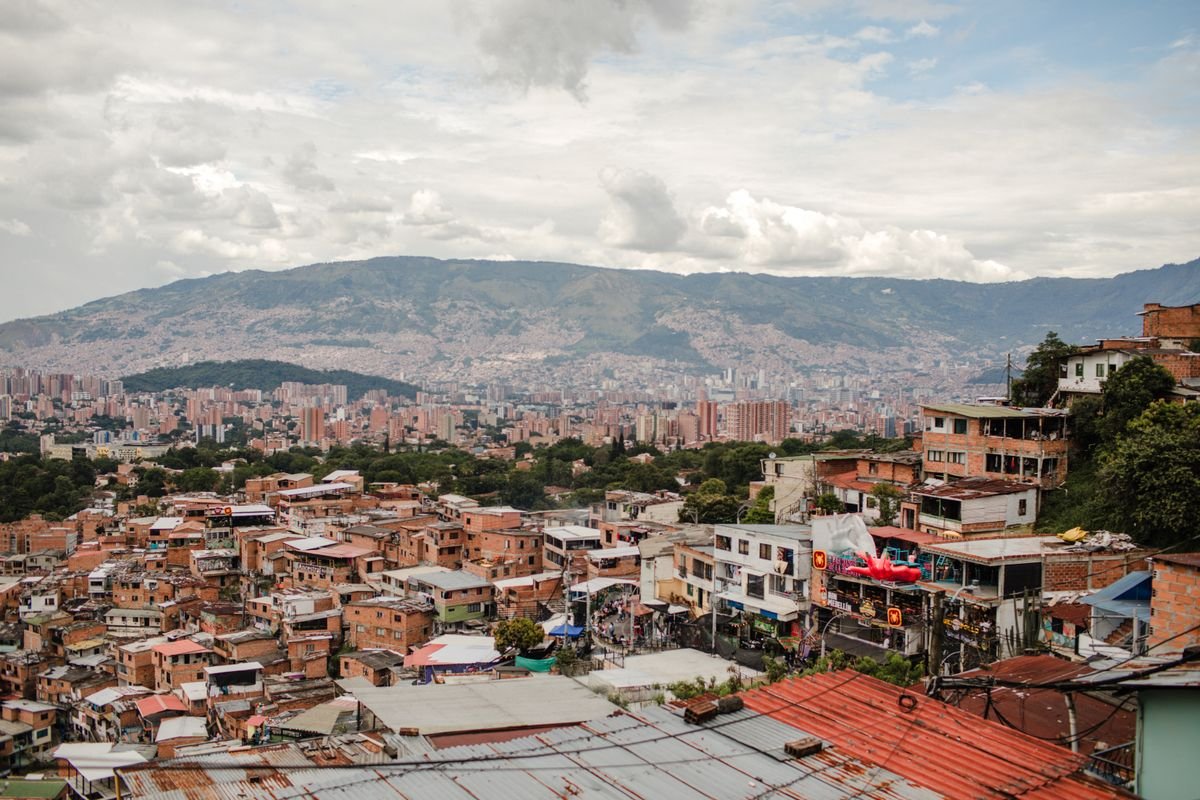
This is the route most first-time visitors to Colombia end up running, and it earns that status. Three cities, three completely different personalities: Andean highland capital, industrial city turned design hub, and Spanish colonial port. Seven days is the minimum to do each justice without feeling like you’re just passing through.
Fly into Bogota El Dorado (BOG) and out of Cartagena Rafael Nunez (CTG). Domestic connections are short and frequent.
Day 1: Bogota - La Candelaria and the Gold Museum
Land at El Dorado and take an InDriver or Cabify app-based taxi to La Candelaria, the colonial centre. The ride costs approximately COP 35,000 to 55,000 depending on traffic. The TransMilenio bus (COP 3,200) is the budget option but requires navigating connections with luggage.
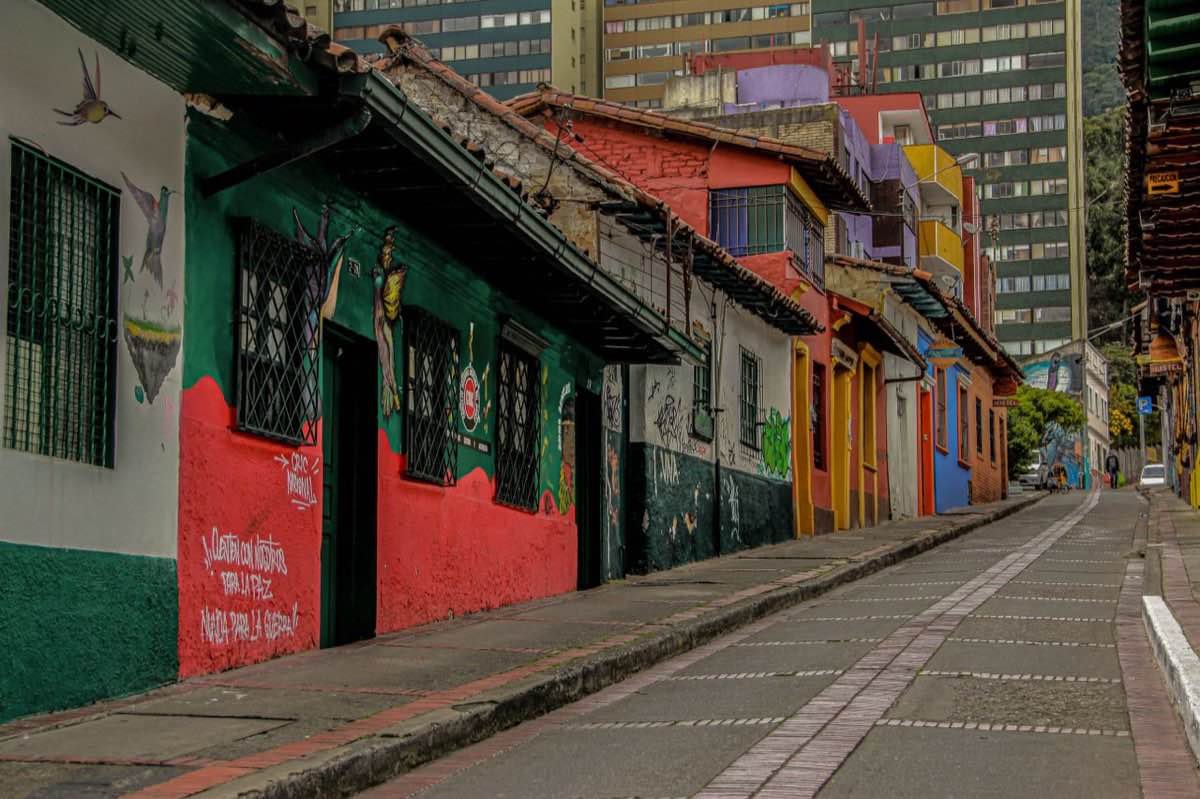 Painted colonial houses in La Candelaria, Bogota.
Accommodation
Search hotels in Bogota on Booking.com
- Budget: La Pinta Hotel Boutique Hostel near the Plazoleta de la Concordia has dorms from approximately COP 55,000 and private rooms from COP 170,000. The rooftop terrace has clear sightlines to Monserrate.
- Mid-range: Hotel de la Opera on Calle 10 charges COP 380,000 to 480,000 for a double and sits opposite the Teatro Colon in a restored colonial building.
- Luxury: Casa Medina in Chapinero charges from COP 900,000 for a double in an Art Deco property built in 1945. The hotel restaurant is one of the most reliable in the city.
Morning / Afternoon
The Museo del Oro (Gold Museum) on Carrera 6 is Colombia’s most important museum. Entry is approximately COP 5,000 for foreign visitors; free on Sundays. Allow two hours for the permanent pre-Columbian gold collection. Walk south to Plaza Bolivar and the 16th-century Catedral Primada. Street empanadas from the carts near the plaza cost COP 2,000 to 4,000 each.
Evening
Take the aerial cable car or funicular up to Monserrate (COP 28,000 round trip by cable car; worth doing at dusk for the city light spread). For dinner, the Zona Rosa is a 20-minute taxi from La Candelaria. Masa on Carrera 13 does reliable wood-fired pizza with mains from COP 42,000. Alternatively, El Chato on Calle 65 serves contemporary Colombian tasting menus from approximately COP 90,000 per person.
Day 2: Bogota - Usaquen and Bogota Street Art
Morning
The Sunday market at Usaquen in the north of the city draws artisan traders, antique dealers and food vendors. On weekdays the neighbourhood is quieter but the restaurant strip on Calle 119 is worth the trip for breakfast. Amor Perfecto serves single-origin Colombian pour-overs from COP 8,000; the Geisha lots from Huila are particularly good.
Afternoon
A guided street art walk through La Candelaria is one of the best free or low-cost activities in South America. Tours depart from Plaza del Chorro de Quevedo at around 10am and 2pm most days. Independent operators charge COP 30,000 to 50,000 per person; a tip of similar value is standard. The murals commissioned during the 2011 city initiative remain among the most technically accomplished graffiti anywhere in Latin America.
For a museum alternative, the Botero Museum (Museo Botero) on Calle 11 holds 123 works donated by Fernando Botero himself. Entry is free.
Evening
Prepare for an early start tomorrow. For dinner in Candelaria, Leo on Calle 27B is the city’s internationally recognised fine-dining option, with a menu focused on biodiversity from Colombian ecosystems. Booking is essential; the tasting menu runs approximately COP 220,000 per person without wine. More casual: Quinua y Amaranto on Carrera 4 serves excellent set lunches (almuerzo corriente) for COP 20,000 to 30,000.
Day 3: Medellin - Arrival and El Poblado
Fly from Bogota El Dorado to Medellin Jose Maria Cordova airport. Avianca and LATAM run the route in 50 to 55 minutes with fares from approximately COP 150,000 one way when booked in advance. The airport is 35 km from the city centre; a taxi or Cabify to El Poblado costs approximately COP 60,000 to 80,000.
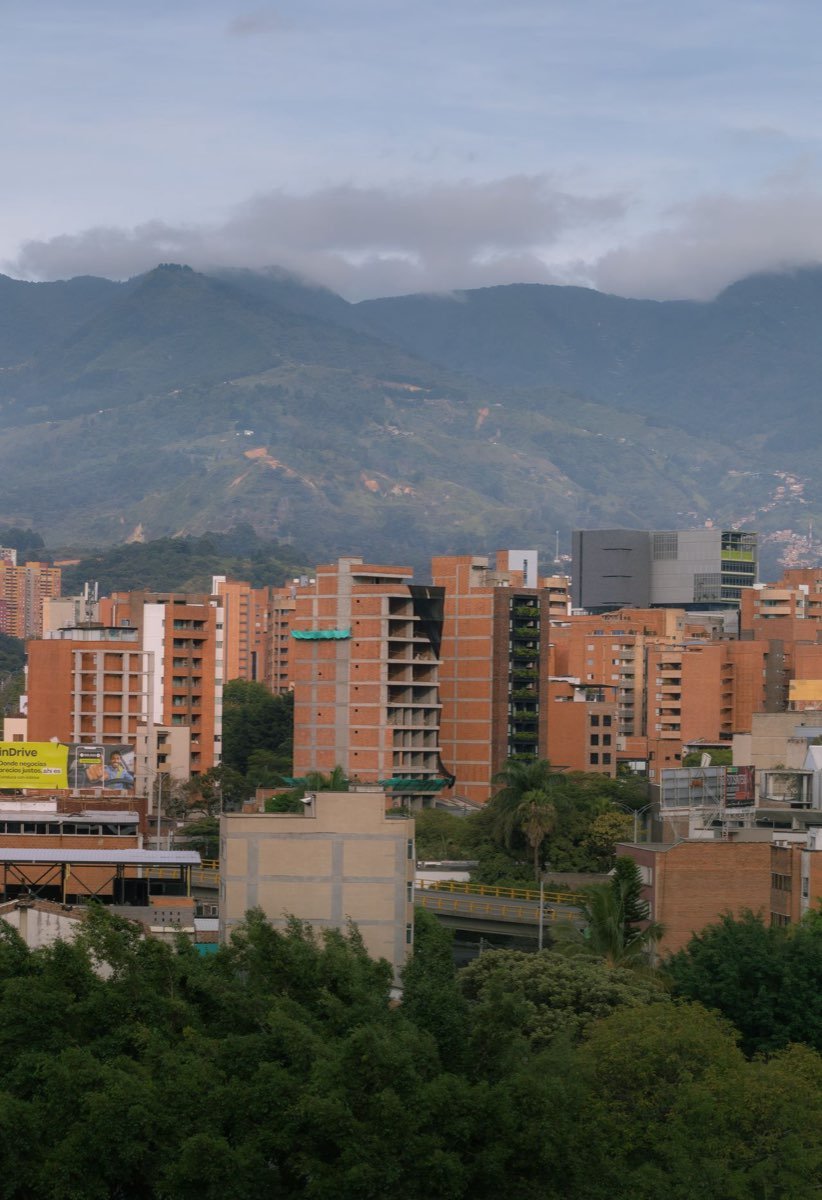 Medellin sits between steep green mountains, with El Poblado in the foreground.
Search hotels in Medellin on Booking.com
Accommodation
- Budget: Black Sheep Hostel in El Poblado has dorms from approximately COP 58,000 and private rooms from COP 180,000. It is 10 minutes on foot from Parque El Poblado and the restaurant strip on Calle 10.
- Mid-range: Hotel El Poblado Boutique charges COP 290,000 to 420,000 for a double and is well positioned for the neighbourhood’s bars and restaurants.
- Luxury: The Charlee Hotel on Calle 9 has doubles from approximately COP 750,000 and a rooftop pool with panoramic views over the Aburra Valley. Rates include breakfast.
Afternoon
Take the Metro from the city centre (a single journey costs COP 3,400 with a rechargeable card; COP 5,000 upfront from any station) to El Poblado station. Walk Calle 10, the main dining strip, and pick your dinner spot for the evening. The neighbourhood is dense with restaurants at every price point.
Evening
Carmen on Calle 10 is consistently ranked among the best restaurants in Colombia; contemporary interpretations of Antioquia cuisine with mains from COP 65,000. Book a week ahead for weekend visits. More casual: El Aji on Calle 9 serves the Antioquian bandeja paisa with a modern edit for COP 35,000 to 55,000.
Day 4: Medellin - Commune 13 and the City
Morning
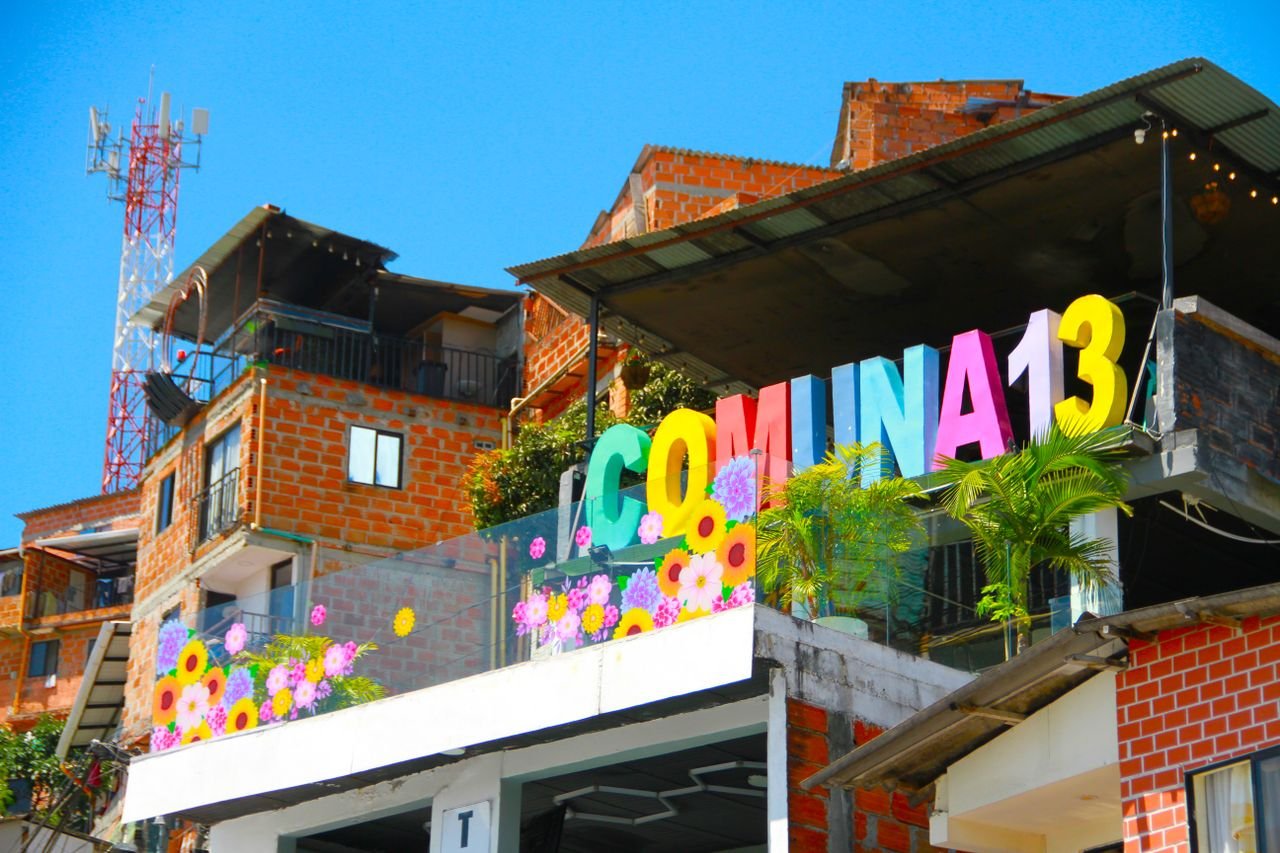 The Comuna 13 sign above the neighbourhood we explore on day four.
Take the Metro to San Javier station (Line B, west from the centre). Commune 13 (San Javier) is the city’s most photographed neighbourhood: a former no-go zone transformed first by security interventions, then by public infrastructure. The outdoor escalators connect the hillside streets and operate free of charge, Monday to Sunday, 6am to 10pm. Guided street art tours with local youth guides depart from the escalator base from approximately COP 40,000 per person; the quality is high and the earnings support community projects directly.
Allow two hours for Commune 13. The murals document the neighbourhood’s history with striking directness.
Afternoon
Two good options:
Option A (nature): Take Metro Cable Line L to Parque Arvi, an ecological reserve above the Aburra Valley. The cable ride itself is worth the fare (COP 8,500 return with Metro card). Trails range from 30 minutes to 3 hours; the farmers market near the entrance runs on weekends.
Option B (culture): Return to the centre for the Museo de Antioquia on Plaza Botero (COP 18,000 entry). The building holds the full donation of Botero’s work alongside pre-Columbian and colonial collections. The bronze sculptures in Plaza Botero outside are free.
Evening
Laureles, the neighbourhood west of El Poblado reached in 20 minutes by Metro, has Medellin’s most neighbourhood feel. Hacienda on Carrera 81 grills meats with proper Colombian technique from COP 45,000. Cerveceria Libre nearby pours craft beers from COP 14,000 a pint.
Day 5: Fly to Cartagena - Walled City Arrival
Fly Medellin to Cartagena Rafael Nunez (CTG). The sector takes approximately one hour; fares run COP 200,000 to 350,000 one way. Taxis from the airport to the walled city cost approximately COP 25,000 to 35,000.
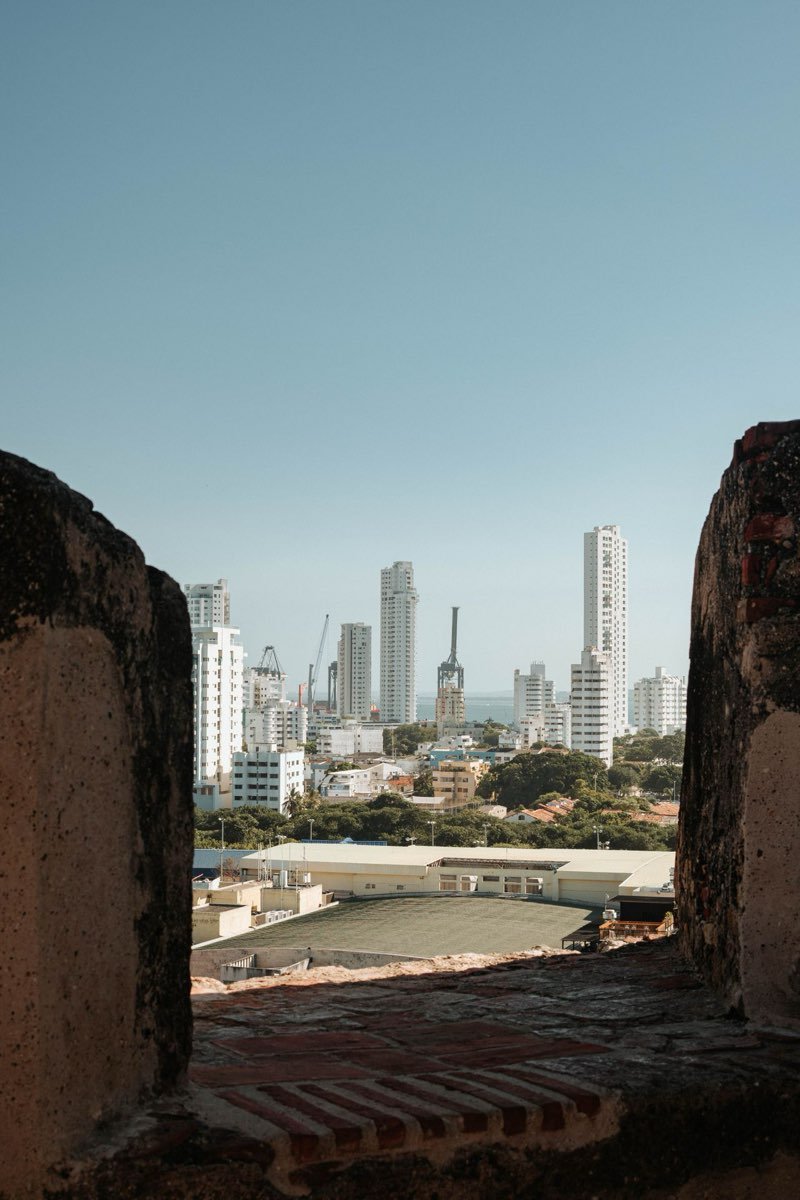 Cartagena’s modern skyline seen through the old fortifications.
Search hotels in Cartagena on Booking.com
Accommodation
- Budget: Media Luna Hostel in Getsemani has dorms from approximately COP 60,000 and private rooms from COP 200,000. Getsemani is directly outside the walled city and has better street life than the tourist core.
- Mid-range: Hotel Casa San Agustin inside the walls charges COP 750,000 to 1,000,000 for a double in a restored colonial mansion. The pool and courtyard justify the premium.
- Luxury: Sofitel Legend Santa Clara, a converted 17th-century convent on the wall perimeter, has doubles from approximately COP 1,500,000. The rooftop bar at sunset is genuinely exceptional.
Afternoon
Walk the Walled City (Las Murallas). The walls themselves are free to climb; the circuit takes about 90 minutes at a tourist pace. Inside, the streets of San Diego and Centro hold the city’s highest concentration of colonial architecture in the Americas, restored to vivid colour. Castillo San Felipe de Barajas (COP 35,000 entry), the 17th-century Spanish fortress on the hill overlooking the bay, is the largest fortification built in the Americas and worth two hours.
Evening
La Cevicheria on Calle Stuart inside the walled city is Cartagena’s most celebrated seafood restaurant. Book ahead for weekend evenings; mains run COP 55,000 to 95,000. The ceviche de camaron and the fish tacos are the anchors of the menu. Cocktails on any rooftop bar at dusk are a Cartagena ritual: the light on the walls turns orange and the bay goes gold.
Day 6: Cartagena - Getsemani and the Islands
Morning
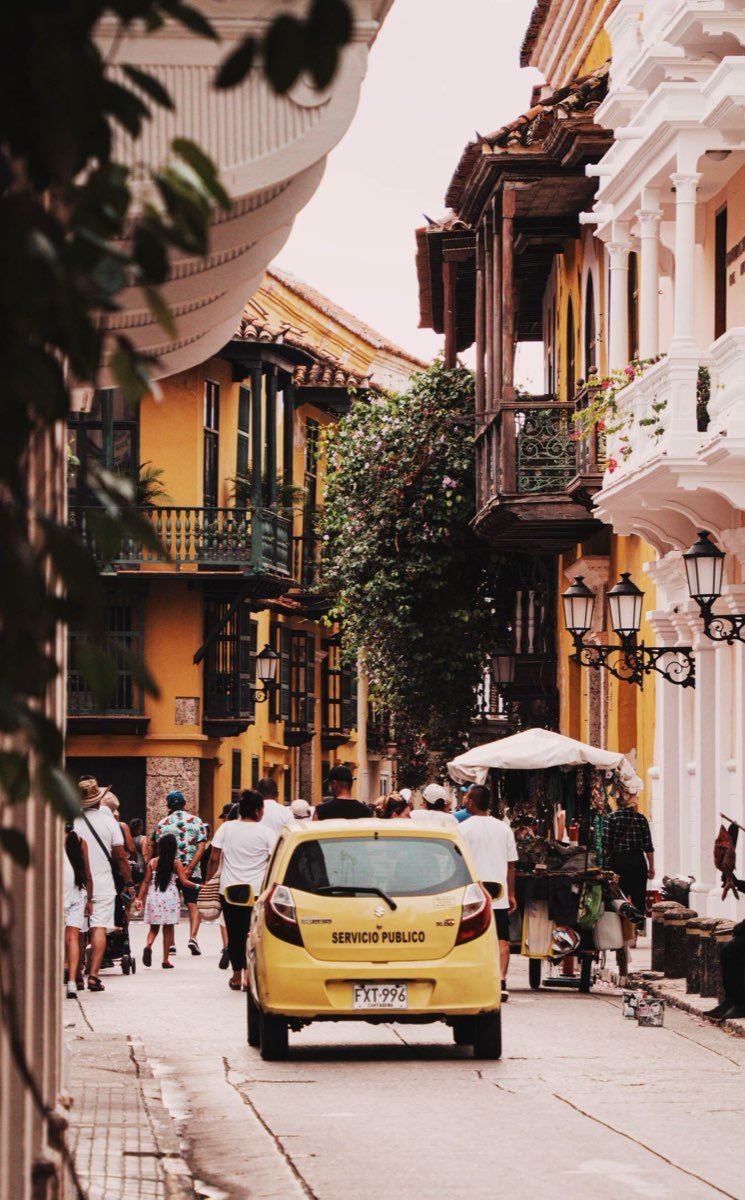 Getsemani and the old town are best explored on foot, with taxis for longer hops.
Getsemani, the neighbourhood directly outside the walled city, deserves more than a walk-through. The street art here is on par with Medellin’s Commune 13: murals commissioned through neighbourhood-led projects cover entire facades. The main square, Plaza de la Trinidad, holds informal street food vendors from early morning; ceviche from the carts costs COP 10,000 to 15,000 a cup.
Afternoon
Take a half-day boat trip to Playa Blanca on the Baru Peninsula (from COP 80,000 per person including snorkelling stops) or to the Rosario Islands (from COP 120,000, with coral reef snorkelling). Tours depart from the Muelle Turistico de la Bodeguita. Playa Blanca is the better beach; the Rosario Islands have the cleaner water for snorkelling. Both are full-day or half-day options.
Evening
Return to Getsemani for dinner. Demente on Calle del Guerrero does creative small plates from COP 25,000 each. The cocktail bar El Baron on Calle Larga has the best rum sours in the city at approximately COP 25,000. Cartagena’s nightlife continues well past midnight in Getsemani; the area around Plaza de la Trinidad is the centre of activity.
Day 7: Last Morning in Cartagena and Departure
Use any morning hours for what you missed. The Palacio de la Inquisicion on Plaza Bolivar (COP 22,000 entry) covers the history of the Spanish Inquisition in Colombia and is one of the most important colonial-era museums in the country.
A last meal at El Boliche Cebicheria in Getsemani (from COP 30,000 per plate) is the practical choice before heading to the airport. Check-in at Cartagena Rafael Nunez can move slowly during peak season; allow 2.5 hours before departure.
Budget Summary (Per Person, 2026 Estimates)
| Expense | Budget | Mid-Range | Luxury |
|---|---|---|---|
| Accommodation per night | COP 55,000-80,000 | COP 300,000-480,000 | COP 750,000+ |
| Meals per day | COP 30,000-60,000 | COP 80,000-180,000 | COP 200,000-400,000 |
| Domestic flights (2 legs) | COP 350,000-650,000 | COP 350,000-650,000 | COP 450,000-800,000 |
| Activities (7 days) | COP 80,000-150,000 | COP 200,000-400,000 | COP 400,000-800,000 |
| 7-Day Total (excl. int’l flights) | from COP 1.2M | from COP 3.0M | from COP 6.5M |
Cartagena consistently runs 30 to 50 percent more expensive than Medellin for equivalent accommodation and food. Budget the difference into the final three days.
Practical Notes
- Best time to travel: December to March is the driest and most visited period for this route. July to August also runs dry. Cartagena is humid and hot year-round; the dry season just removes the afternoon downpours.
- SIM cards: Buy a Claro or Tigo SIM at Bogota El Dorado on arrival. A 5GB data pack costs approximately COP 25,000 to 40,000. An eSIM for Colombia activates before landing.
- Getting around cities: Use Cabify or InDriver for taxis rather than street hailing in all three cities. The Medellin Metro is reliable and safe; TransMilenio in Bogota is efficient if confusing at first.
- Cash: Carry COP 200,000 to 300,000 in notes for markets, street food and smaller purchases. Bancolombia and Davivienda ATMs are reliable in all three cities.
- Safety: All three cities have improved significantly over the past decade. Standard precautions apply: use app-based taxis after dark, keep phones off in crowds, stay in the main tourist areas at night.
Book Your Trip
- Flights - Find the best fares to Colombia · flights guide
- Travel Insurance - Get covered before you go · insurance guide
- eSIM - Stay connected from landing · eSIM guide
- Airport Transfers - Pre-book your transfer from Bogota or Medellin · airport guide
- Tours and Activities - Browse Colombia tours on GetYourGuide