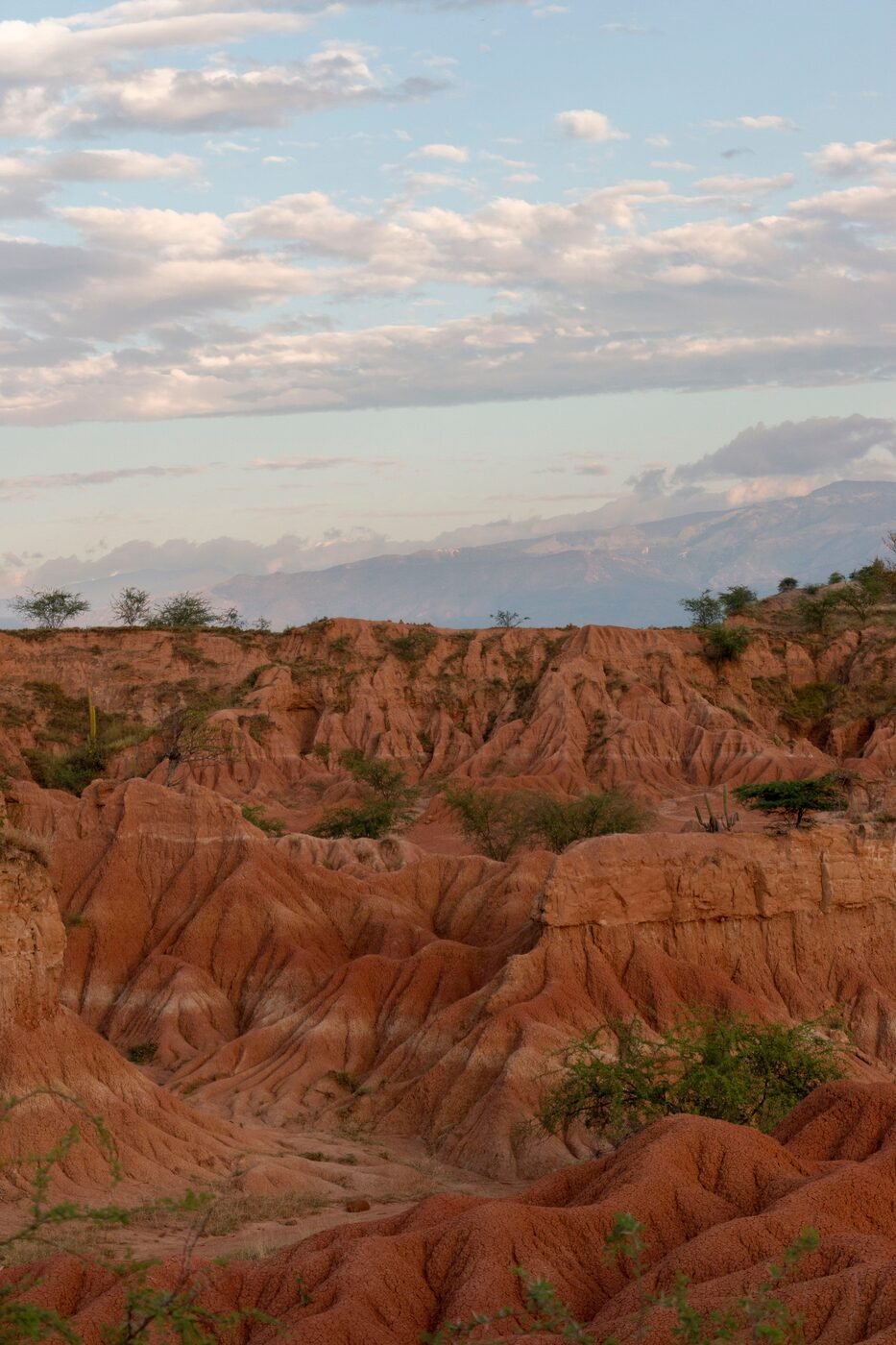
January and February are when Colombia’s Caribbean coast shifts into its most photogenic mode: the rains are gone, the sea turns a deeper blue, and the light is clean and sharp from dawn to dusk. This 12-day route was designed specifically for the dry season window, combining La Guajira (the desert peninsula few tourists reach), the famous Tayrona beaches, the Rosario Islands from Cartagena, and a coffee region finish before flying home.
Days 1–2: Bogotá - Brief Stop Before the Coast
Most international flights arrive into Bogotá. Two nights is enough to orient yourself and see the essentials before heading to the Caribbean.
Day 1: La Candelaria historic centre, Museo del Oro (COP 4,000; mornings are quieter), and the hilltop shrine of Monserrate by cable car (COP 35,000 return). Late afternoon: taxi up to the Zona Rosa / Parque de la 93 area for dinner - Harry Sasson is Bogotá’s best-known upscale restaurant, with mains from COP 85,000. For something more casual, La Hamburguesería in Chapinero does burgers from COP 28,000.
Day 2: Half-day at the Usaquén Sunday market if you’re here on a weekend (Sunday only; best from 10am to 2pm). Alternatively, visit the Museo Nacional de Colombia (free entry on Sundays; COP 4,000 other days) or the botanic garden Jardín Botánico de Bogotá (COP 3,000). Afternoon: sort out transport for the next leg.
Accommodation: Casa Legado in La Candelaria from COP 380,000 per night - boutique hotel in a colonial building. Budget: Casa Platypus hostel from COP 70,000 per dorm.
Fly Bogotá to Cartagena: 1 hour, from COP 110,000. Fly in the morning so you arrive with the afternoon free.
Days 3–5: Cartagena - Colonial Coast
January in Cartagena means dry heat (28–33°C), a lively atmosphere from the lingering festive season, and the best sea conditions for day trips to the islands.
Day 3 (Walled City): Walk the Las Murallas at dusk for the views over the Caribbean. The Castillo San Felipe de Barajas (COP 35,000) is the most impressive Spanish fortification in the Americas - the interior tunnel system is remarkable. Getsemaní at night: head to Plaza de la Trinidad for street food and a cold Club Colombia (COP 8,000).
Day 4 (Rosario Islands): Boat trip from Muelle Turístico (departs 8am). Group tours to the Islas del Rosario run COP 90,000–120,000 with snorkelling. January and February are when sea visibility is at its clearest. Full-day private boat COP 380,000 for up to 6 people. Pack sun cream, a hat, and plenty of water.
Book Rosario Islands and Cartagena tours
Day 5 (Hay Festival - if late January): If your trip coincides with the last week of January, the Hay Festival de Cartagena hosts talks and performances across the walled city. Check the schedule - many events are free. Otherwise, dedicate the day to the Barú peninsula (a full-day trip; collective boat or bus-then-boat COP 50,000–80,000 return). Playa Blanca on Barú is one of the best beaches within day-trip distance of Cartagena.
Accommodation: Hotel Casa India Catalina in the walled city from COP 520,000. Budget: El Viajero Cartagena hostel from COP 85,000 per dorm.
Days 6–7: La Guajira
From Cartagena, bus or fly to Riohacha (the capital of La Guajira), then join a guided 2-night tour. This is the least visited section of the itinerary and the most extraordinary.
Why La Guajira in January: The Guajira Peninsula in the dry season (which lasts most of the year here) is a strange, beautiful landscape - red desert cliffs meeting clear Caribbean sea, inhabited by the Wayúu indigenous community. January light at Punta Gallinas, the northernmost point of South America, is exceptional for photography.
Logistics: Most travellers book a guided 2 or 3-day tour from Santa Marta or Riohacha. Tours from Santa Marta include transfer, accommodation in traditional Wayúu villages (basic hammock sleeping), meals, and a guide. Cost: approximately COP 380,000–560,000 per person for 2 nights all-inclusive. Independent travel in La Guajira is possible but road conditions and minimal facilities make a guide strongly advisable for first-time visitors.
What to expect: Cabo de la Vela is the main stop - a fishing village at the edge of the desert, where locals use kite surfing winds that blow reliably January through March. Punta Gallinas adds another half-day if your tour extends to 3 days. The sunsets here, over the Caribbean from a desert cliff edge, are unlike anything else in Colombia.
Days 8–10: Santa Marta and Tayrona
Return to Santa Marta from La Guajira (shared jeep or tour dropoff to the city centre).
Day 8 (Santa Marta City): Santa Marta’s historic centre is smaller and less polished than Cartagena but genuinely charming - the Simón Bolívar Museum occupies the house where he died in 1830. El Morro island, visible from the waterfront, is accessible by boat from the main jetty (COP 30,000 return). The beach suburb of El Rodadero is good for a late afternoon swim.
Day 9–10 (Tayrona National Park): Two full days in Tayrona is the right amount. The park requires an online reservation in advance during January (limited daily entry). Entry: COP 64,000 for foreigners. Hike to Cabo San Juan del Guía (2.5 hours through jungle) on Day 9 - the arc of sand framed by boulders is justifiably famous. Hammocks at Cabo San Juan cost COP 90,000–130,000 per night. Stay overnight in the park and spend Day 10 exploring the northern beaches: La Piscina and Arrecifes have calmer swimming conditions than the open-sea Cabo San Juan.
Book Tayrona National Park and Santa Marta tours
Accommodation: Hotel Boutique Casa Blanca in Santa Marta historic centre from COP 320,000 per night. Budget: La Brisa Loca hostel from COP 75,000.
Days 11–12: Coffee Region Finish
Fly Santa Marta to Pereira (with a stop in Bogotá; total around 3–4 hours) to finish the trip in the coffee highlands.
Day 11 (Salento): From Pereira, shared jeep to Salento (45 minutes, COP 12,000). February is one of the driest months in the coffee region - the valley is unusually green and clear of cloud. Walk the cobbled streets, drink single-origin pour-overs at Café de los Andes (COP 7,000 per cup), and book tomorrow’s Cocora Valley hike.
Day 12 (Cocora Valley): Dawn jeep from the main plaza (COP 6,000–9,000 each way). The Cocora Valley loop - hummingbird feeders, cloud forest, open valley with wax palms - takes 4 to 6 hours. February light in the valley is exceptional: little rain, low mist in the morning. The famous wax palms stand up to 60 metres tall and are the national tree of Colombia.
From Salento, return jeep to Pereira airport for a late flight home. Direct departures from Pereira to Bogotá from COP 130,000; Bogotá has the most international connections.
Book coffee region tours and farm visits
Accommodation: Plantation House Salento from COP 65,000 per dorm. Hotel Salento Real private double from COP 175,000.
Dry Season Logistics
Packing: Caribbean sections - light clothing, swimwear, strong sunscreen (UV is intense). La Guajira - sun hat essential, warm layer for evenings (temperatures drop fast in the desert after dark). Coffee region - light rain jacket, layers (Salento mornings are around 12°C even in dry season).
Money: Budget COP 180,000–320,000 per day for mid-range travel excluding flights. La Guajira tours are all-inclusive so cost is contained. Cartagena is the most expensive city on this route.
Connectivity: eSIM or local SIM recommended. Claro and Tigo have the best coverage in La Guajira. Signal is minimal in Tayrona and the Cocora Valley interior.
Book Your Trip
- Flights - Find the best fares to Colombia · flights guide
- Travel Insurance - Get covered before you go · insurance guide
- eSIM - Stay connected from landing · eSIM guide
- Airport Transfers - Pre-book your transfer from Bogota or Medellin · airport guide
- Car Rental - Compare prices across providers
- Hotels - Hotels in Bogotá · Hotels in Cartagena · Hotels in Santa Marta · Hotels in Salento · Hotels in La Guajira
- Tours & Activities - Browse Colombia tours on GetYourGuide
Related reading: Cartagena vs Santa Marta, 10-Day Coffee Region & Caribbean and Caribbean Coast Itinerary.